
 EN
EN
 ar
ar bg
bg hr
hr cs
cs da
da nl
nl fi
fi fr
fr de
de el
el hi
hi it
it ko
ko no
no pl
pl pt
pt ro
ro ru
ru es
es sv
sv tl
tl iw
iw id
id lv
lv lt
lt sr
sr sk
sk sl
sl uk
uk vi
vi et
et hu
hu th
th tr
tr fa
fa ms
ms hy
hy ka
ka ur
ur bn
bn mn
mn ta
ta kk
kk uz
uz ku
ku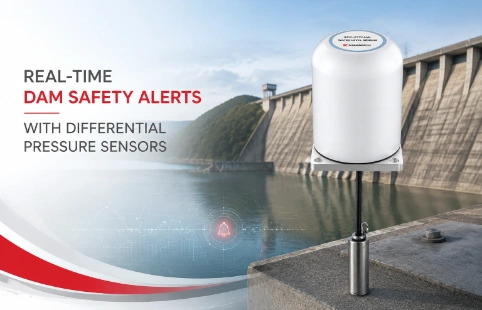
Real-Time Dam Safety Alerts with Differential Pressure Water Level Sensors
Key Takeaways An alert chain needs more than a sensor: define field in...

Vibration Sensors for Reliable Structural Monitoring
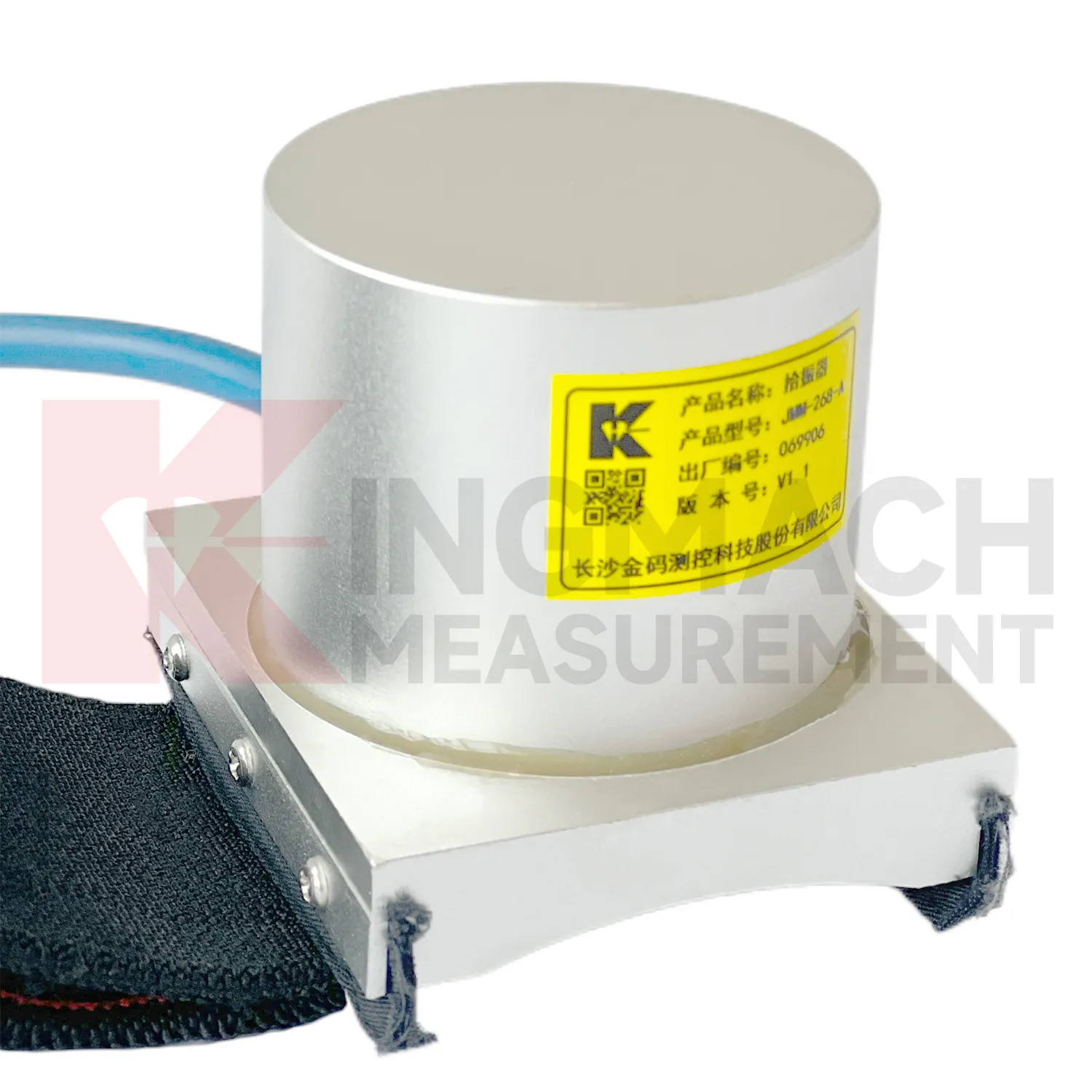
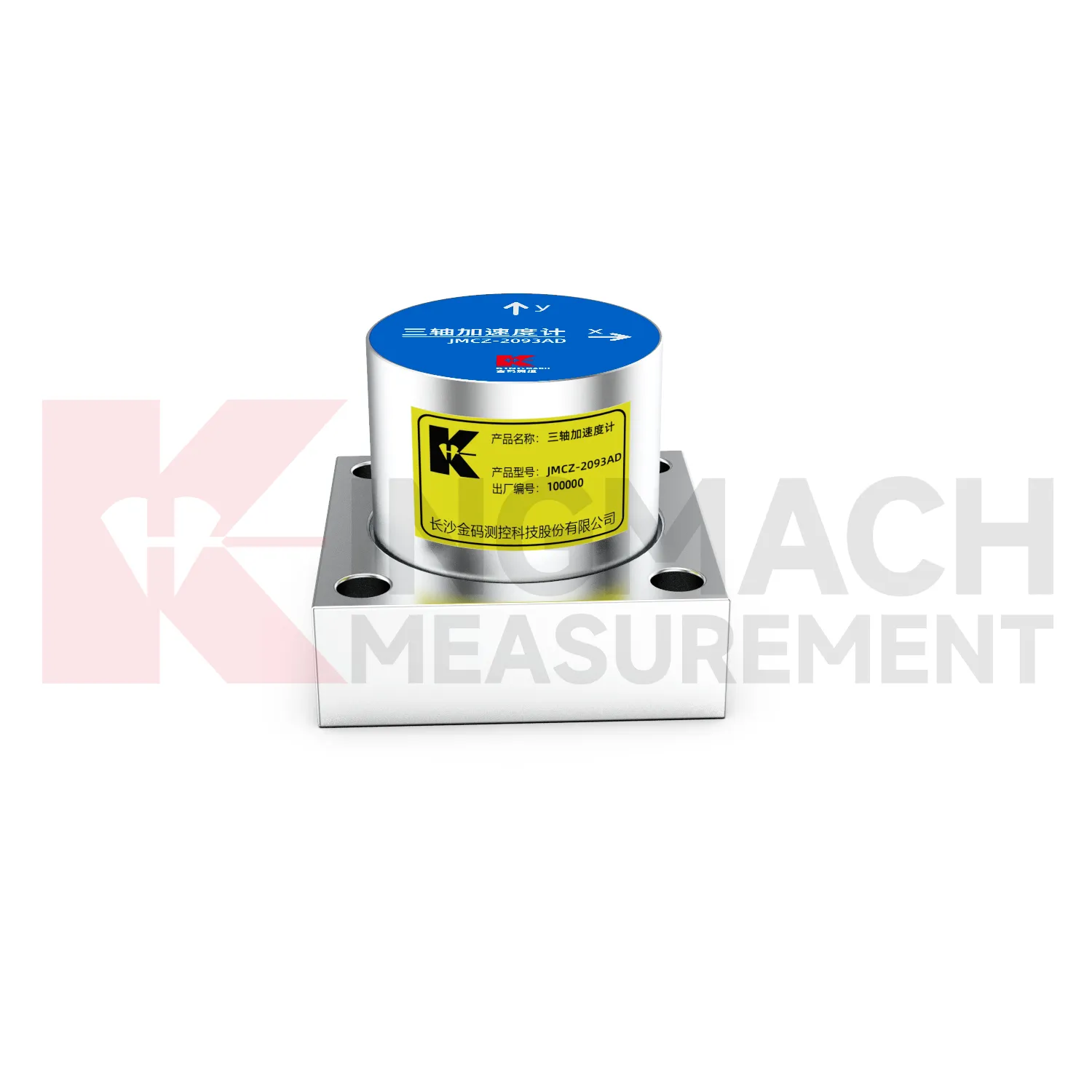
In projects where ground movement or structural shifts can compromise safety, data accuracy is more than a nice-to-have — it determines whether early warnings are timely or missed entirely. Kingmach has been supplying vibration sensors to monitoring professionals for over two decades, focusing on instruments that function under real site conditions rather than just ideal lab settings. Our sensors are used in tunnels, dams, slopes, and foundations to detect vibration and oscillation patterns that signal potential hazards. Rather than pushing a one-size-fits-all product, we work with project teams to adapt sensitivity, frequency range, and output signals to the specific geology and structure. This approach has earned us a place in monitoring networks across multiple continents, with technical support that extends from sensor selection through data integration.
Technical Detail
Vibration sensors from Kingmach are built around the understanding that no two monitoring sites behave the same way. Our design starts with the sensing element, typically a piezoelectric accelerometer or MEMS chip depending on required frequency response and amplitude range. For most geotechnical applications, we configure sensors to cover a bandwidth from around 0.1 Hz to several hundred Hz, capturing both slow, large-amplitude movements and high-frequency vibrations from blasting or traffic. Output options include voltage, current, or digital signals to match existing data loggers or wireless nodes. The stainless-steel housing and IP67-rated connectors protect against water, dust, and corrosive soil, minimizing drift and signal loss over years of unattended operation. Each sensor is individually calibrated and shipped with a test certificate, reflecting our commitment to data traceability. Beyond off-the-shelf models, we customize cable lengths, mounting brackets, and even the frequency corner for low-noise or high-resolution requirements. Through our distribution network, technical support remains available for installation advice, troubleshooting, and periodic recalibration, helping project managers maintain continuous monitoring with less downtime.
News
Key Takeaways An alert chain needs more than a sensor: define field in...
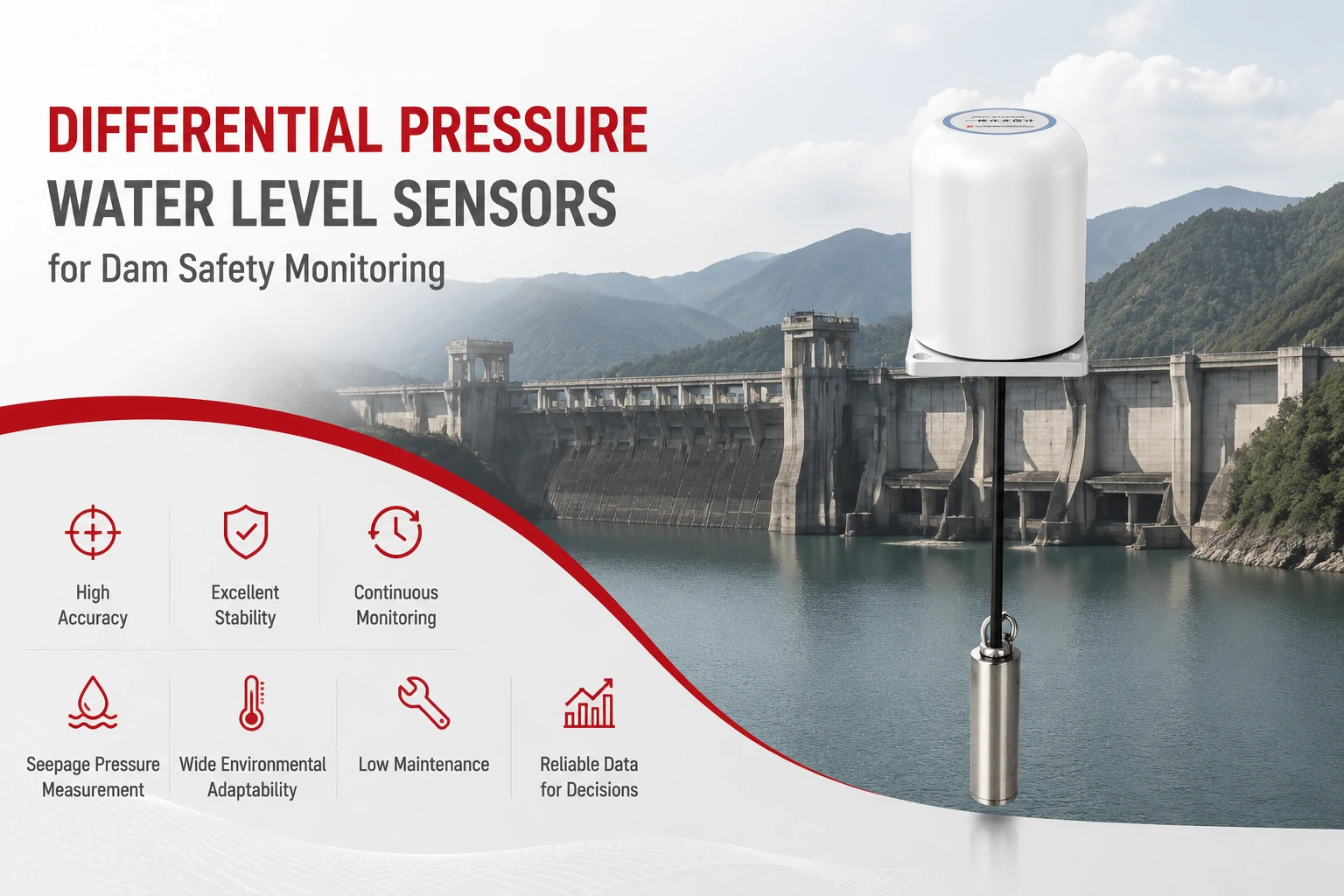
Key Takeaways The strongest fit is usually a confined, submerged, or s...
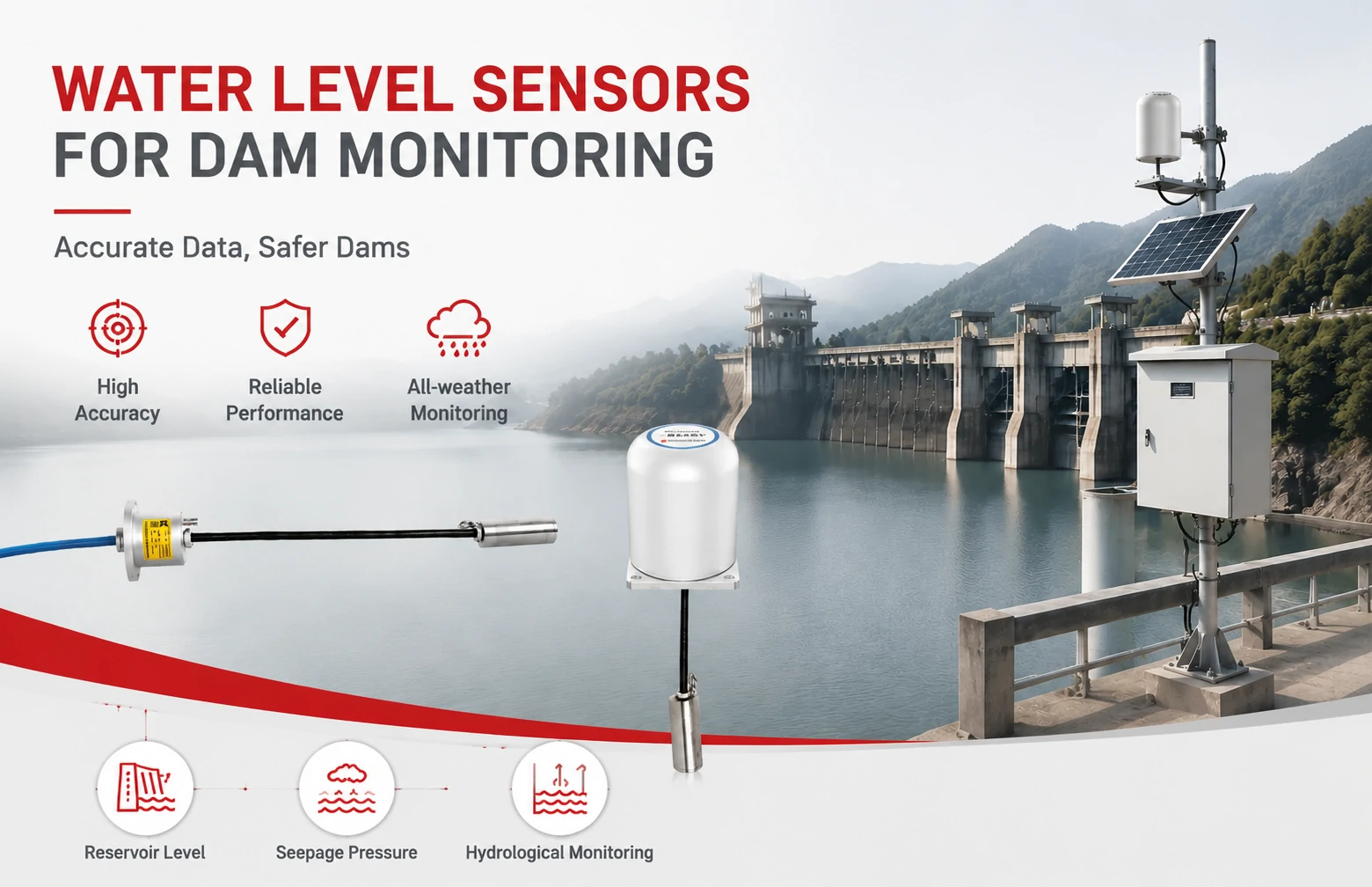
Kingmach Water Level Sensors for Dam Monitoring: A Buyer's Guide to Differential Pre...
Products
FAQ
It depends on what you’re watching. For slow deformations and convergence monitoring, sensors down to 0.1 Hz are useful. If you’re concerned about blasting or traffic-induced vibrations, you’ll want an upper range of at least 200–500 Hz. Many tunnel projects use a combination of low- and high-frequency sensors placed at different locations.
Yes, we can provide models with RS-485 output and Modbus RTU protocol. This simplifies integration with centralized monitoring systems and reduces the risk of signal degradation over long cable runs. Let us know your data acquisition setup, and we’ll match the output accordingly.
Velocity sensors are often more tolerant of dust and moisture and are best for mid-frequency vibration (say 1–100 Hz), like that from nearby construction. Accelerometers cover a broader frequency and can pick up higher-frequency signals, but they may need more careful mounting. We help you pick based on the specific vibration source and the type of data your analysis software requires.
The sensors themselves are sealed and require little more than periodic visual checks for cable damage or corrosion. We recommend an annual calibration check if your monitoring standard requires it. We can handle recalibration or issue a new certificate when needed.
Absolutely. We often supply a small batch for field trials so your team can confirm performance and compatibility with your data loggers. Once the evaluation is successful, we can quickly scale up to production quantities with the exact same configuration.
Share your product type, target capacity, and application requirements. Our team can review the details and recommend a practical next step.
If you are interested in our products or want to become our partner.
Please leave your contact information, our team will contact you as soon as possible.
Mail: [email protected]
Contact Us: +8613808434127
Address: No. 188 Tongzipo West Rd, Changsha, Hunan, China