
 EN
EN
 ar
ar bg
bg hr
hr cs
cs da
da nl
nl fi
fi fr
fr de
de el
el hi
hi it
it ko
ko no
no pl
pl pt
pt ro
ro ru
ru es
es sv
sv tl
tl iw
iw id
id lv
lv lt
lt sr
sr sk
sk sl
sl uk
uk vi
vi et
et hu
hu th
th tr
tr fa
fa ms
ms hy
hy ka
ka ur
ur bn
bn mn
mn ta
ta kk
kk uz
uz ku
ku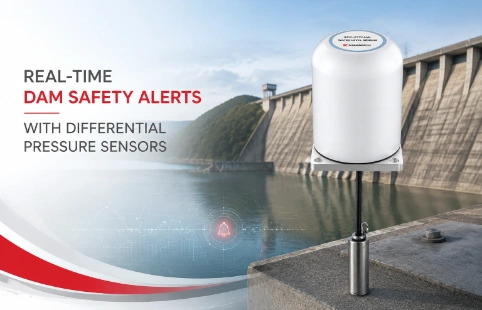
Real-Time Dam Safety Alerts with Differential Pressure Water Level Sensors
Key Takeaways An alert chain needs more than a sensor: define field in...

Differential Displacement Meter Solutions
Structural health monitoring often comes down to catching small shifts before they become big problems. A differential displacement meter reads tiny movements between two points, giving engineers the data they need to judge stability in tunnels, slopes, or deep excavations. Kingmach builds these instruments with a focus on field practicality: robust housings, straightforward mounting, and output signals that integrate easily with existing data loggers. The company carries a broad monitoring product line, so you can often source multiple sensor types from one supplier. Custom ranges and cable lengths are available for jobs that don’t fit off-the-shelf specs, and a global distribution network means local support is usually reachable. Engineers who rely on long-term, unattended measurement tend to appreciate the attention to surge protection and moisture sealing—details that keep a sensor running in wet, remote conditions. If your project demands traceable, repeatable displacement data without constant recalibration, a properly installed differential displacement meter might be the answer. Kingmach also stocks accessories like mounting brackets and reference plates to simplify onsite work.
Technical Detail
A differential displacement meter works by measuring the change in distance between a reference point and a moving target, commonly using a potentiometric or vibrating-wire transducer. Kingmach supplies both types, and each has its place depending on whether you need dynamic readings or long-term zero stability. The potentiometric versions are often favored for real-time monitoring where fast sampling is essential, while vibrating-wire units hold up well in corrosive environments because the signal can travel long distances without degradation. Most models share a similar mechanical design: a sealed sliding rod inside a protective tube, with mounting eyes at both ends. This straightforward layout speeds up installation and reduces the chance of misalignment. Kingmach stocks meters with stroke lengths from 25 mm up to several hundred millimeters, and the team can adjust the tension and scale to match specific project profiles. In practice, these sensors show up in convergence monitoring inside tunnels, crack-width tracking on concrete dams, and settlement measurement behind retaining walls. The data they produce helps consultants verify design assumptions and trigger early warnings if movement rates exceed safe thresholds. Because Kingmach handles everything from sensor production to accessory supply, you get matched-grade anchors, connecting rods, and signal cable, which avoids the headache of sourcing compatible parts from multiple vendors. Orders are often assembled and tested in-house before shipping, with calibration sheets included as standard. Technical support extends beyond the sale: engineers ecommend wiring schemes, advise on logger compatibility, and walk field crews through commissioning steps. For companies running multiple monitoring sites, this kind of coordinated supply chain can streamline procurement and keep inventory predictable.
News
Key Takeaways An alert chain needs more than a sensor: define field in...
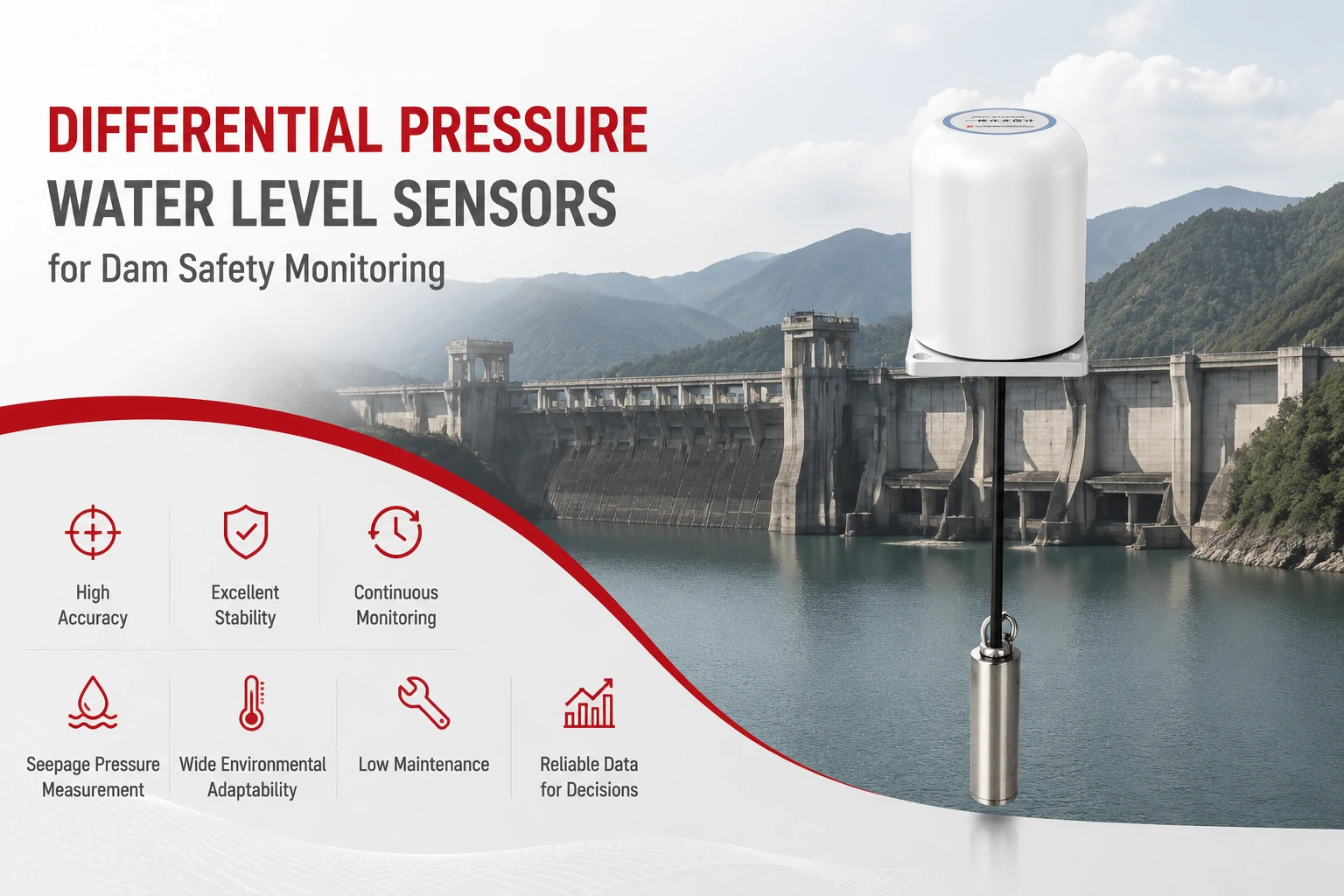
Key Takeaways The strongest fit is usually a confined, submerged, or s...
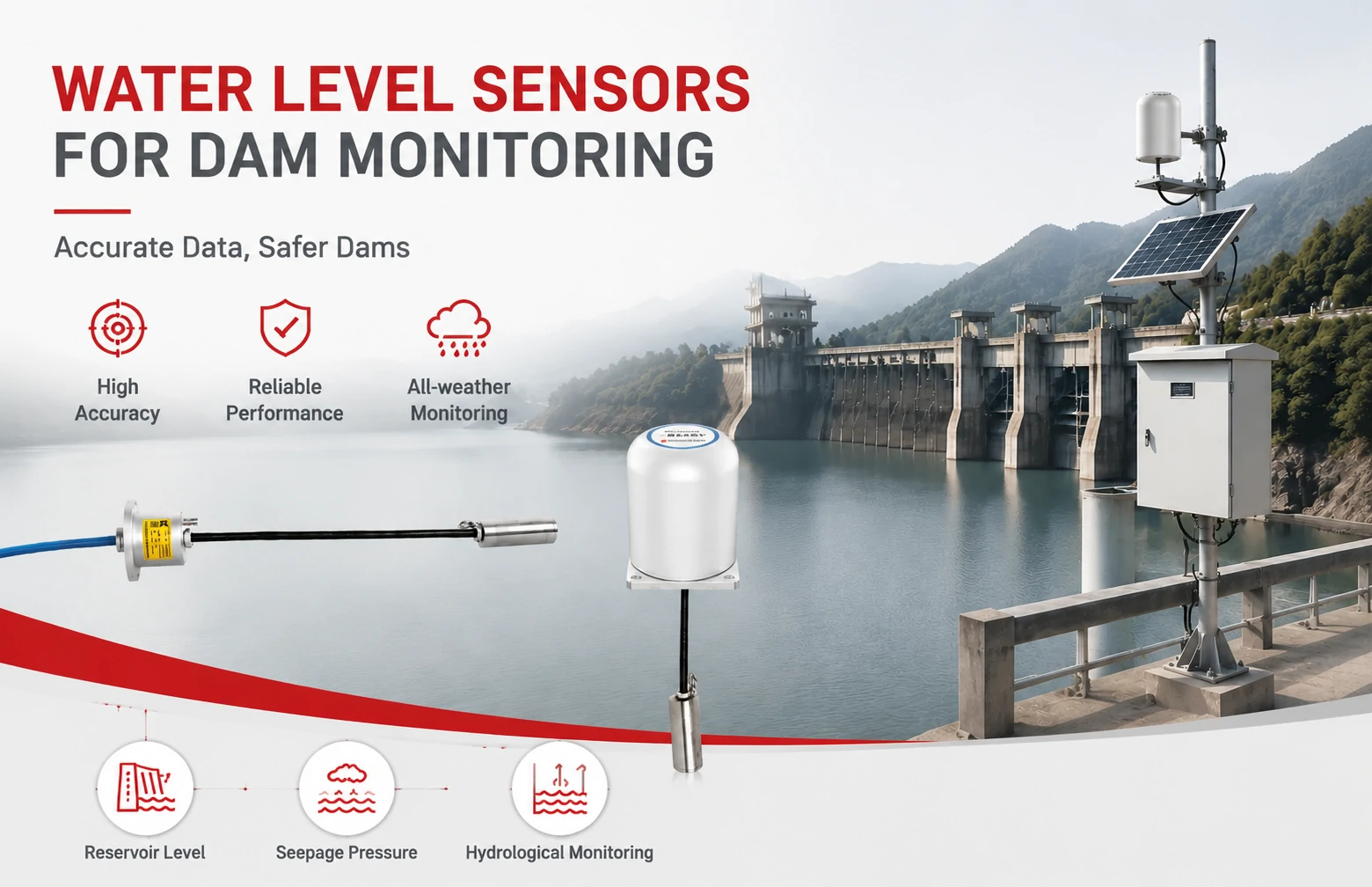
Kingmach Water Level Sensors for Dam Monitoring: A Buyer's Guide to Differential Pre...
Products
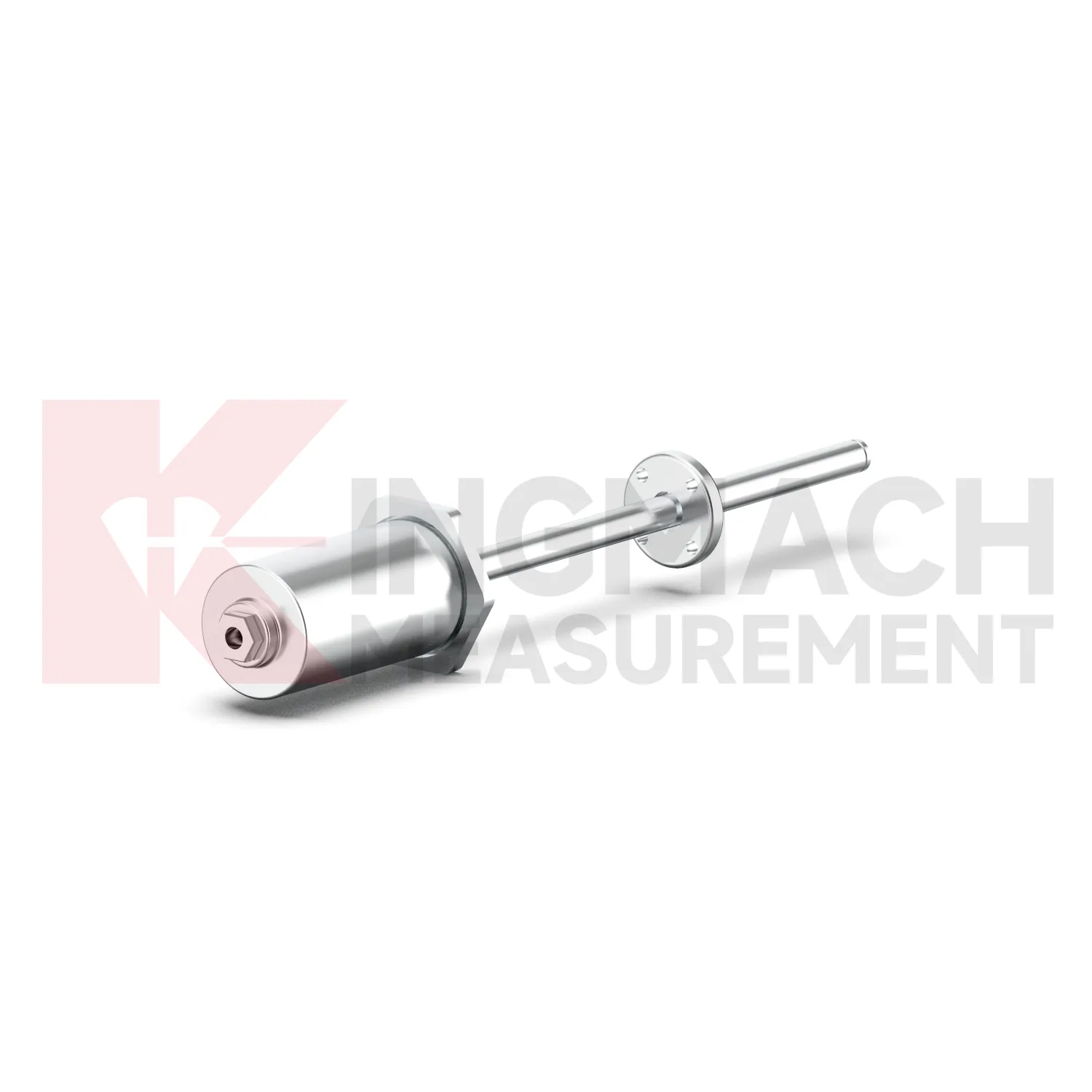
Magnetostrictive Displacement Meter JMCW-21XXADT
View Details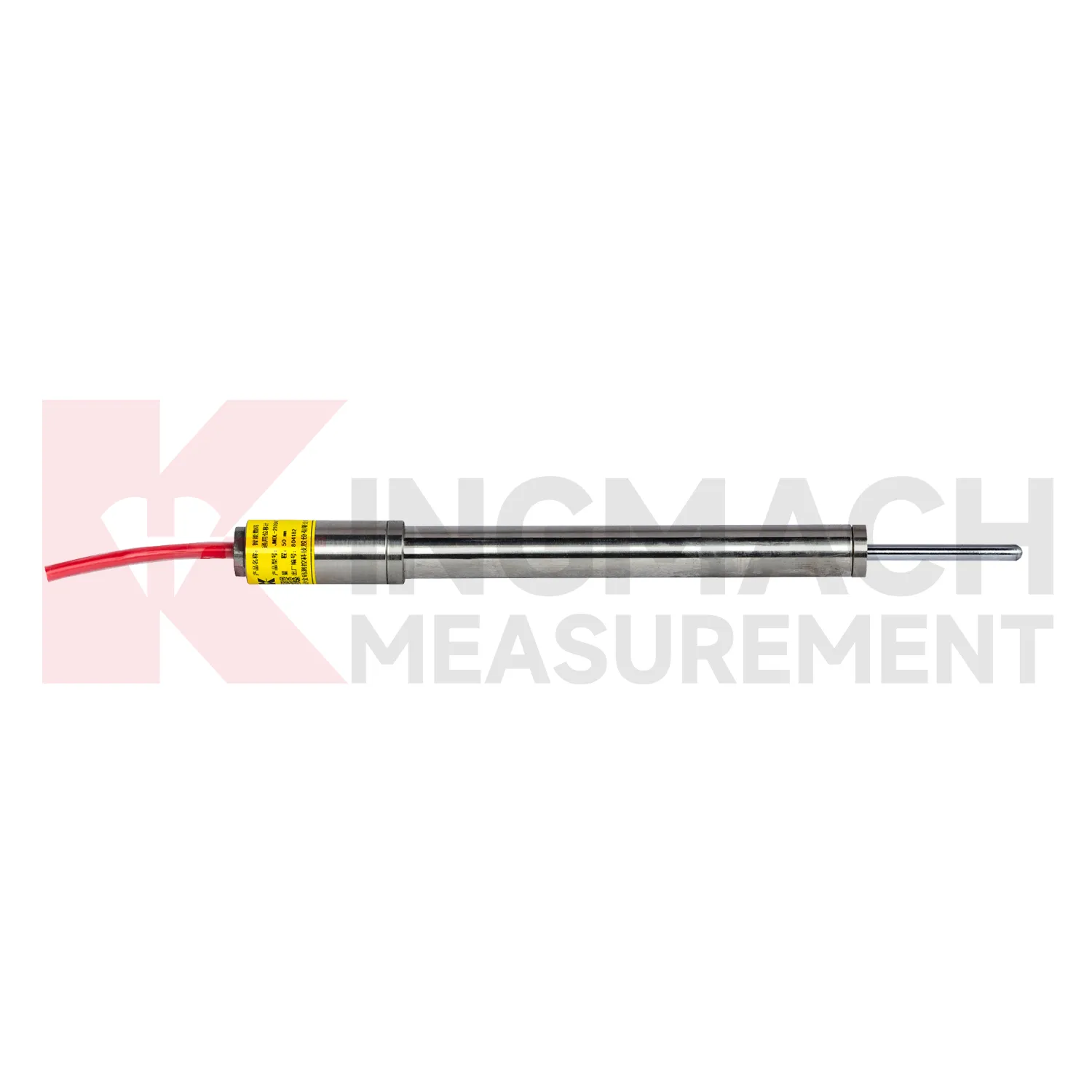
Smart General-Purpose Displacement MeterJMDL-21XXAT
View DetailsFAQ
It is configured to measure relative movement between two points rather than absolute position. The body of the meter is fixed to one anchor, and the rod to another, so you read the displacement directly across a joint or crack.
Yes, versions with IP68-rated sealing are available. They are typically used in dam galleries or submerged sections of caissons where water ingress is a given.
Common options include 4-20 mA, 0-5 V, and vibrating-wire frequency signals. We match the output to your existing data acquisition system so you don’t have to add signal conditioners.
A basic zero check can be done on site using the reference plate. Full recalibration is usually handled at our facility, but the drift on well-installed units is low enough that most projects go years between recalibrations.
Custom mechanical adjustments often ship within three to four weeks. Extremely long ranges or special material requests may take a bit longer, but we confirm delivery windows upfront based on current production schedules.
Share your product type, target capacity, and application requirements. Our team can review the details and recommend a practical next step.
If you are interested in our products or want to become our partner.
Please leave your contact information, our team will contact you as soon as possible.
Mail: [email protected]
Contact Us: +8613808434127
Address: No. 188 Tongzipo West Rd, Changsha, Hunan, China