
 EN
EN
 ar
ar bg
bg hr
hr cs
cs da
da nl
nl fi
fi fr
fr de
de el
el hi
hi it
it ko
ko no
no pl
pl pt
pt ro
ro ru
ru es
es sv
sv tl
tl iw
iw id
id lv
lv lt
lt sr
sr sk
sk sl
sl uk
uk vi
vi et
et hu
hu th
th tr
tr fa
fa ms
ms hy
hy ka
ka ur
ur bn
bn mn
mn ta
ta kk
kk uz
uz ku
ku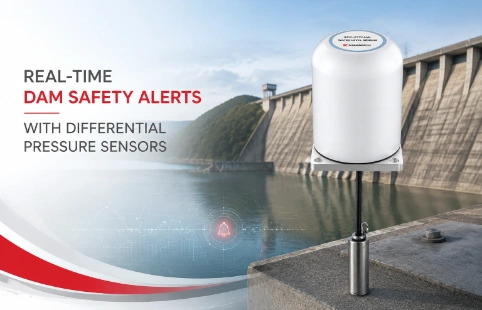
Real-Time Dam Safety Alerts with Differential Pressure Water Level Sensors
Key Takeaways An alert chain needs more than a sensor: define field in...

Tension Load Cells That Handle Field Conditions
When anchor forces need tracking on a slope stabilization project, a tension load cell sits between the anchor head and the bearing plate—often exposed to rain, dust, and temperature swings. The reading has to stay stable. Kingmach builds these sensors around the reality that field installations punish weak links: moisture ingress, cable snags, or zero drift. Their tension load cells come out of a geotechnical instrument lineup, so the engineering assumptions lean toward long-term outdoor survival rather than lab-only accuracy.
Technical Detail
Kingmach tension load cells are built for direct tension measurement in tiebacks, rock bolts, and cable stays. Most designs use a full Wheatstone bridge with temperature compensation, and the housing is typically stainless steel or anodized aluminum—depending on the range. The sensing element gets potted inside to block condensation, and cable entries are sealed against field splashes. Because Kingmach handles everything from vibrating wire piezometers to inclinometers, the load cells share a common signal conditioning approach: either mV/V output for standard dataloggers or optional onboard amplifiers for longer cable runs. Customization is standard. You can specify center-hole size, capacity (a few tons up), and cable length. Some users request dual bridges for redundant monitoring on critical structures. Shipping includes calibration sheets traceable to national standards, and Kingmach maintains a distributor network that can arrange local pickup instead of waiting for international freight.
News
Key Takeaways An alert chain needs more than a sensor: define field in...
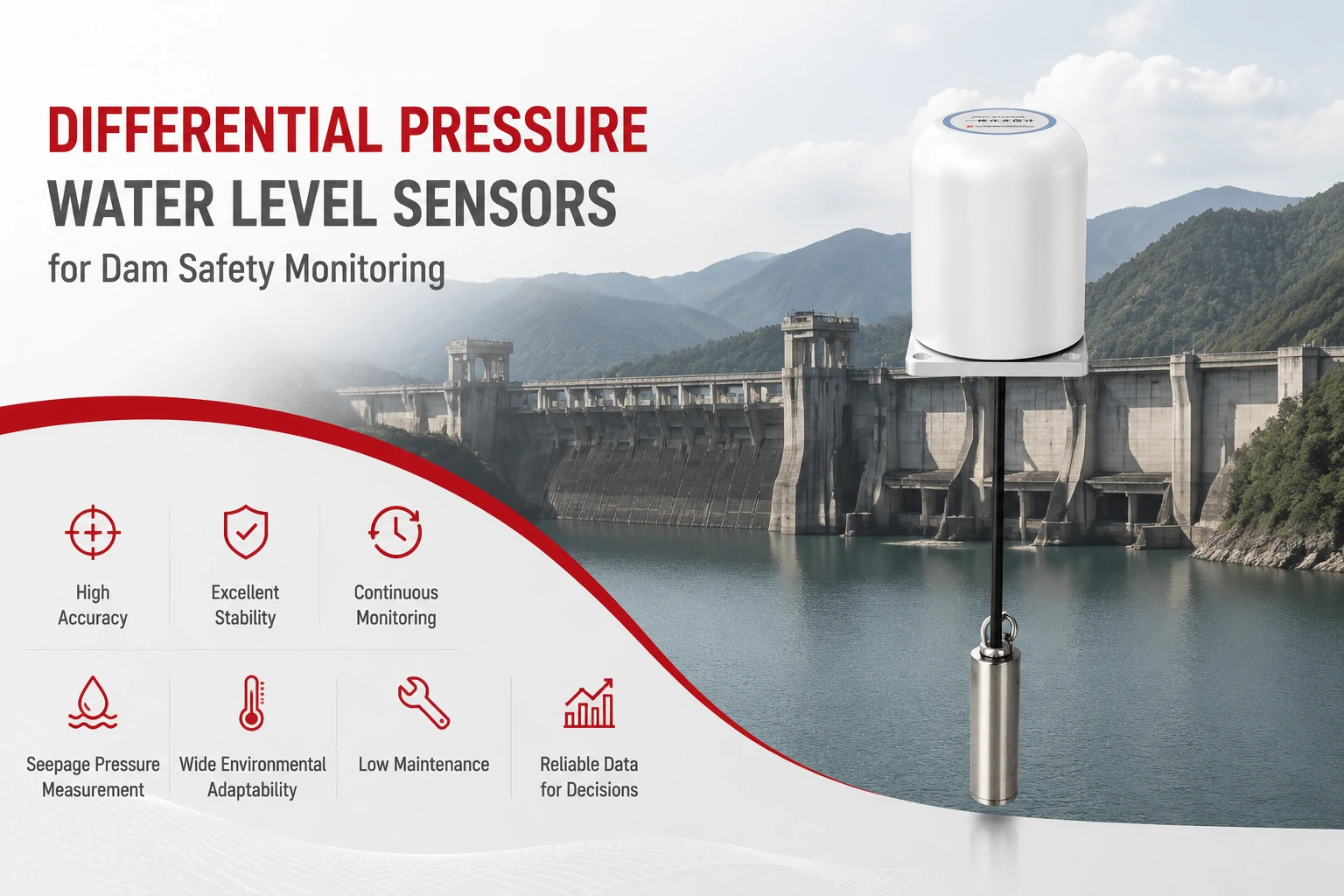
Key Takeaways The strongest fit is usually a confined, submerged, or s...
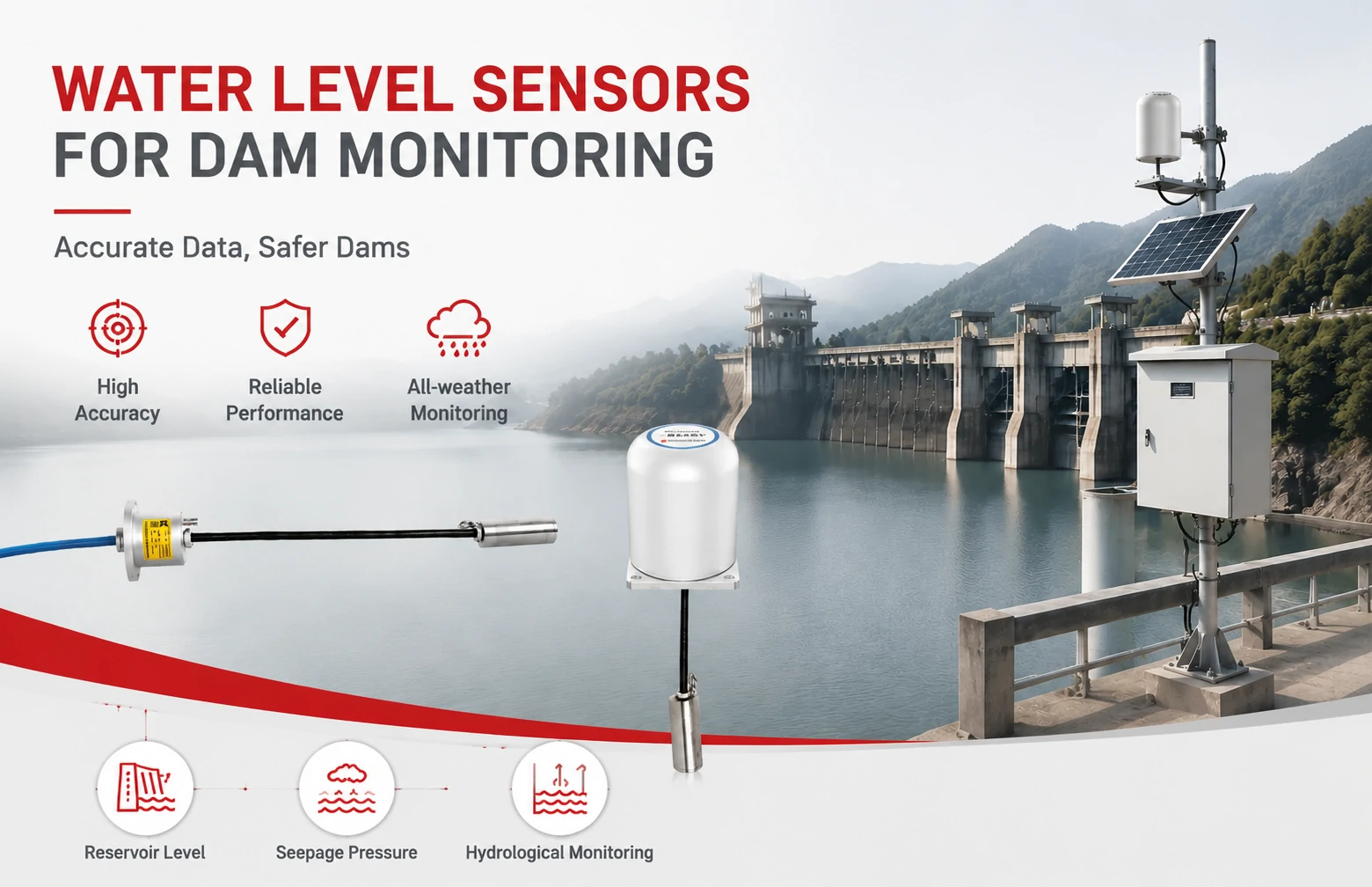
Kingmach Water Level Sensors for Dam Monitoring: A Buyer's Guide to Differential Pre...
Products
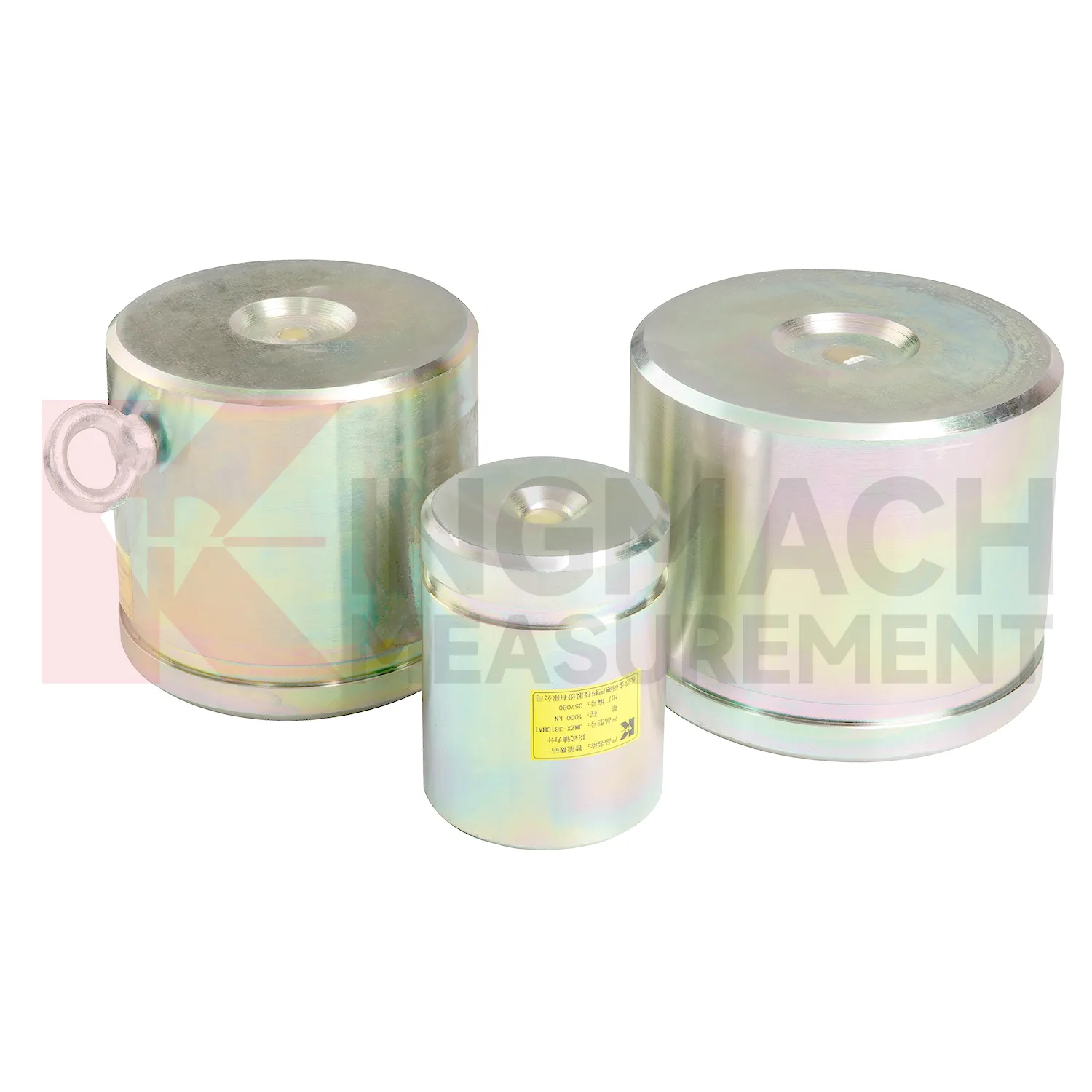
Axial Force Load Meter ( VW & Smart Type)JMZX-38XXHAT
View Details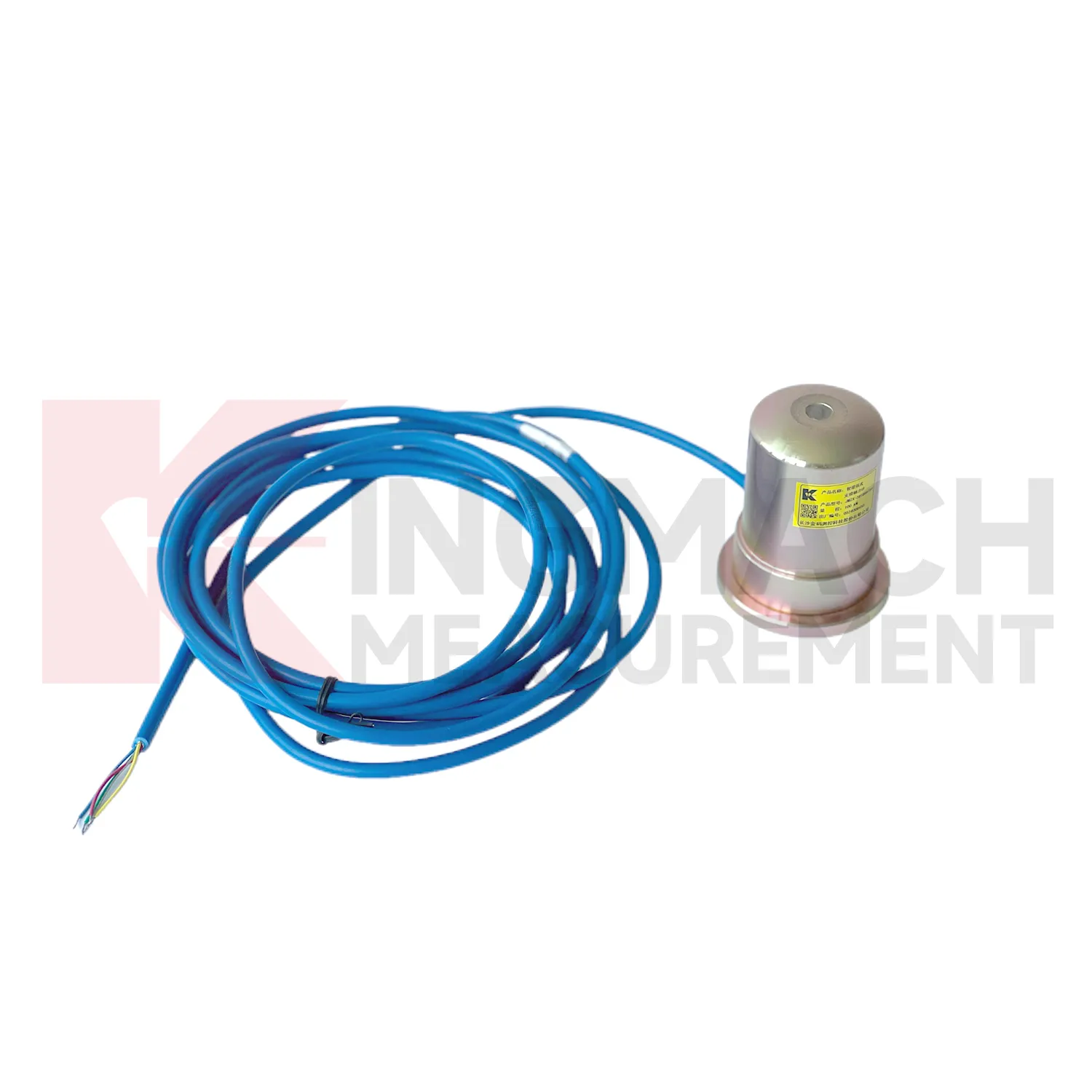
Smart Formwork Axial Force Meter(VW)JMZX-39XXHAT
View Details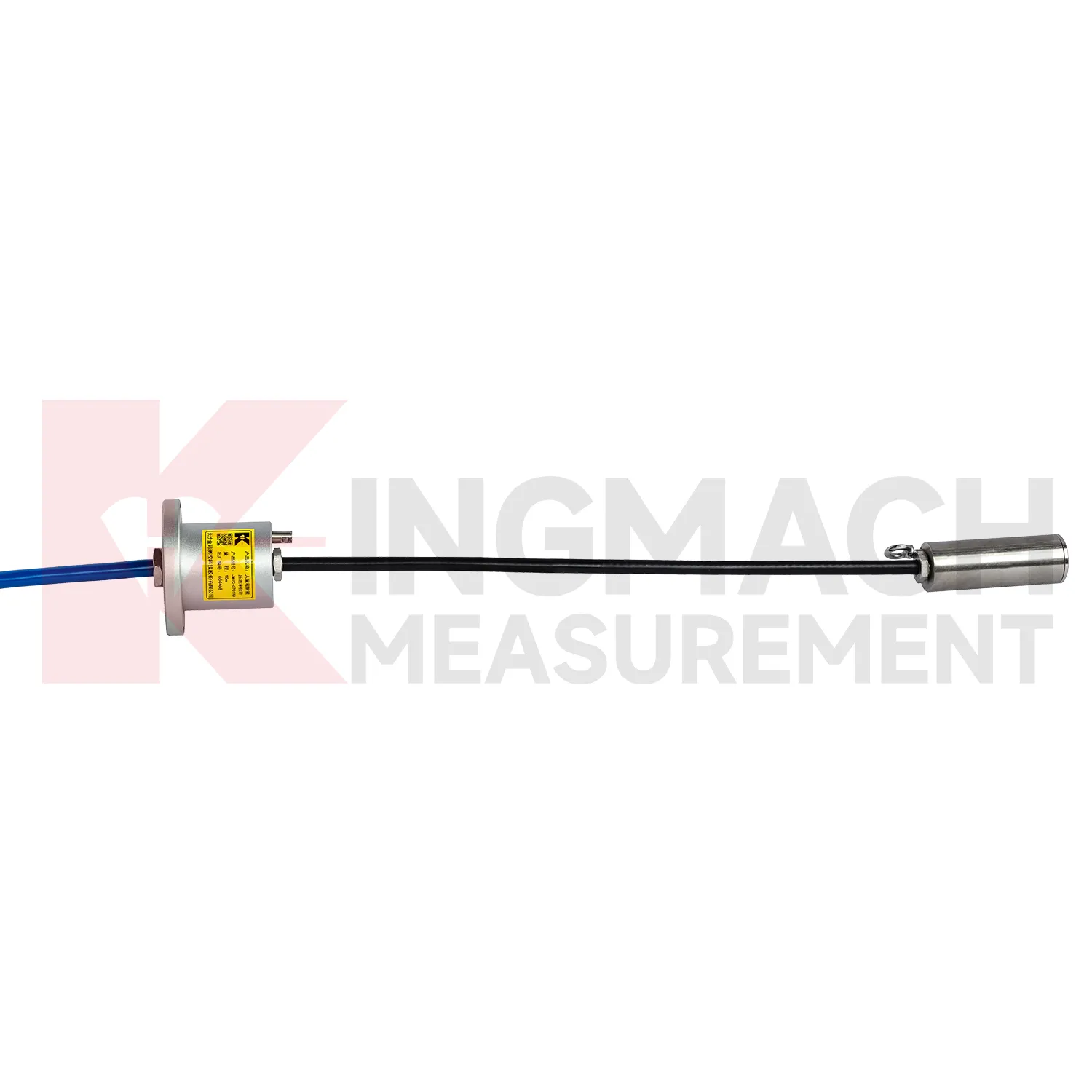
Wide-Range Smart Differential Pressure Water Level Meter JMYC-67XXAD
View DetailsFAQ
Standard cells give a mV/V output that works with most geotechnical dataloggers. If the readout is farther than 50 meters, we often recommend the amplified version with 4-20 mA or 0-5 V. Let us know what logger you use and we will match the output.
Yes, if you order the fully potted version with a stainless steel body. The cable gland is rated for submersion up to a couple of meters, but for long-term burial, we suggest routing the cable through a conduit anyway—just to protect against rodents and sharp rocks.
The hole needs to clear your anchor tendon diameter with a few millimeters to spare. If the tendon is 32 mm, a 35 mm or 38 mm hole works. Kingmach has standard center-hole diameters, but they will bore a custom size for volume orders. Providing the tendon diameter and any sheathing will let them confirm the fit.
The cell body has a built-in temperature sensor. Most dataloggers can read the extra channel and apply a correction factor from the calibration sheet. The shift is usually small within normal ground temperatures, but in frozen ground or direct sun, it becomes noticeable. Without compensation, you might see a few percent drift.
Typical lead time is 4–6 weeks for standard modifications like a different center hole or cable length. Special capacities or dual bridges may take longer. It is best to submit your required range and dimensions early so they can check stock of the sensing elements.
Share your product type, target capacity, and application requirements. Our team can review the details and recommend a practical next step.
If you are interested in our products or want to become our partner.
Please leave your contact information, our team will contact you as soon as possible.
Mail: [email protected]
Contact Us: +8613808434127
Address: No. 188 Tongzipo West Rd, Changsha, Hunan, China