
 EN
EN
 ar
ar bg
bg hr
hr cs
cs da
da nl
nl fi
fi fr
fr de
de el
el hi
hi it
it ko
ko no
no pl
pl pt
pt ro
ro ru
ru es
es sv
sv tl
tl iw
iw id
id lv
lv lt
lt sr
sr sk
sk sl
sl uk
uk vi
vi et
et hu
hu th
th tr
tr fa
fa ms
ms hy
hy ka
ka ur
ur bn
bn mn
mn ta
ta kk
kk uz
uz ku
ku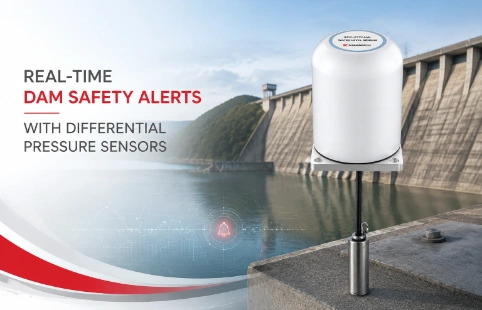
Real-Time Dam Safety Alerts with Differential Pressure Water Level Sensors
Key Takeaways An alert chain needs more than a sensor: define field in...

Sensor Soil Moisture for Reliable Field Data
Field data is only as good as the sensors you put in the ground. That’s why growers and engineers often stick with one brand once they find a moisture probe that doesn’t drift after the first heavy rain. Kingmach builds its soil moisture sensors with that kind of dependability in mind—not by overpacking features, but by focusing on a clean, stable reading that holds up over seasons. The probes come with straightforward installation and outputs that play nice with most data loggers, so you spend less time troubleshooting and more time using the numbers to make decisions. Whether you’re scheduling vineyard irrigation or monitoring slope stability, the goal is the same: a sensor that tells the truth about what’s happening underground. The sensor’s slim design also means minimal soil disturbance during installation, and the maintenance-free build keeps ongoing costs low. For projects that scale, Kingmach’s customization options let you match cable lengths and connector types to your site, not the other way around.
Technical Detail
Kingmach soil moisture sensors use frequency domain reflectometry to measure volumetric water content across a typical range of 0–100% VWC. Output options include analog voltage and RS485, making integration with existing monitoring systems straightforward. The housing is built for long-term burial, with a sealed body rated to IP68 that stands up to wet-dry cycles and moderate soil salinity. One often overlooked detail is the sensor’s response time—less than a second on most units—which can be critical when you’re tracking rapid infiltration events. For larger deployments, Kingmach offers custom cable lengths and connectors to reduce field wiring time. In practice, users report that the sensors maintain ±3% accuracy over a full growing season with minimal calibration drift, though recalibration is still recommended when switching between drastically different soil textures. The company also supports integration with third-party telemetry systems, so you’re not locked into a proprietary platform.
News
Key Takeaways An alert chain needs more than a sensor: define field in...
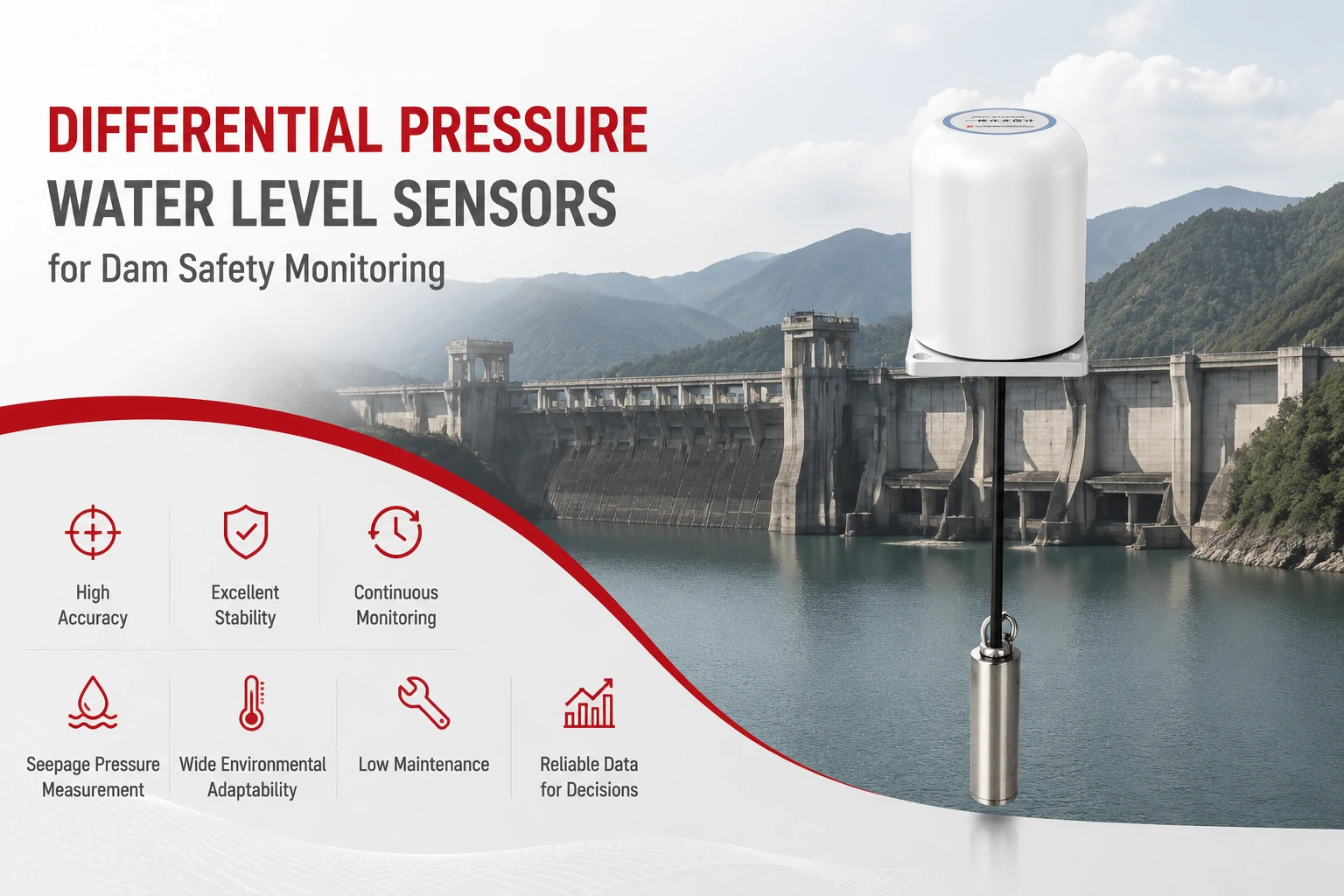
Key Takeaways The strongest fit is usually a confined, submerged, or s...
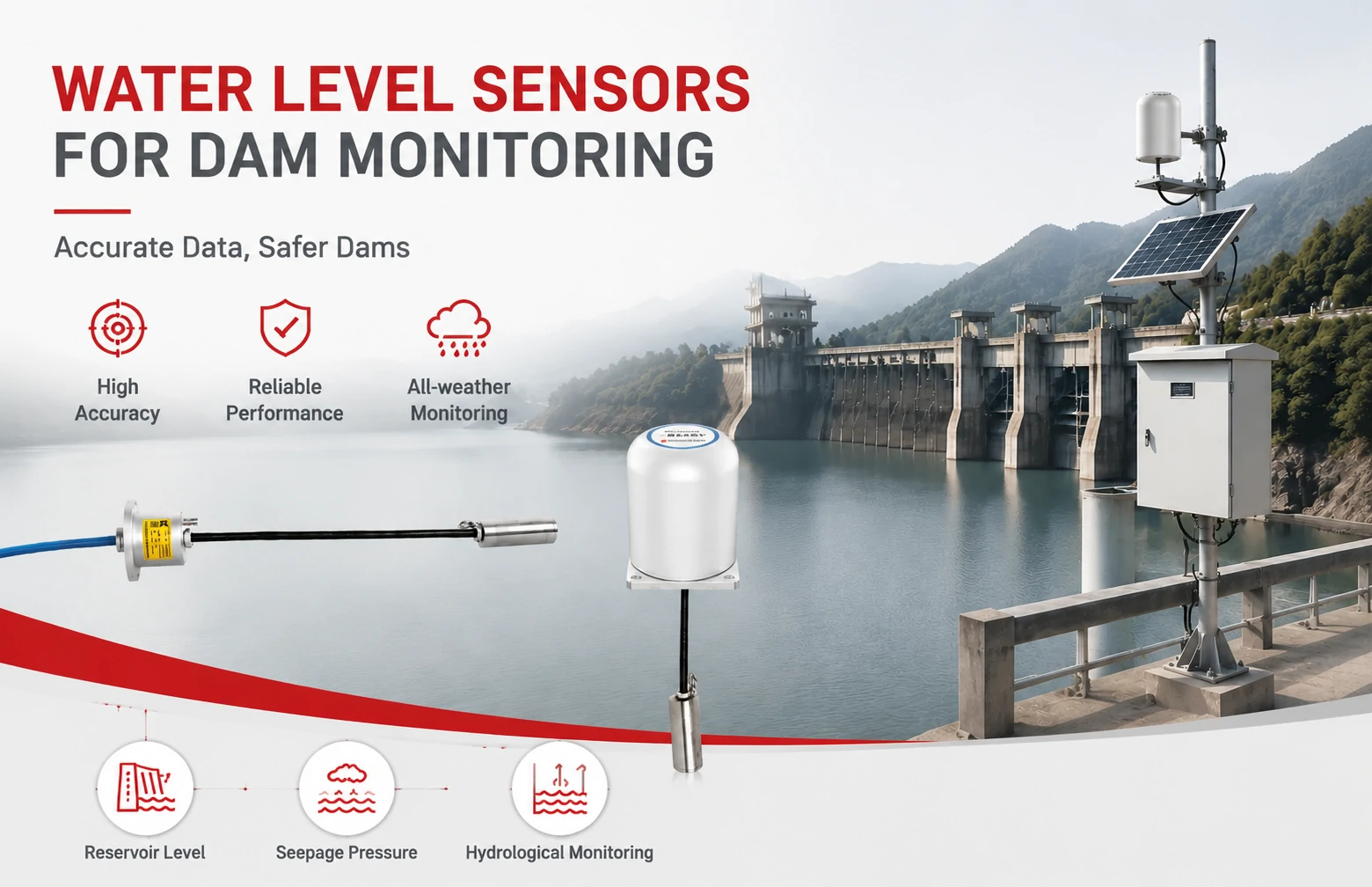
Kingmach Water Level Sensors for Dam Monitoring: A Buyer's Guide to Differential Pre...
Products
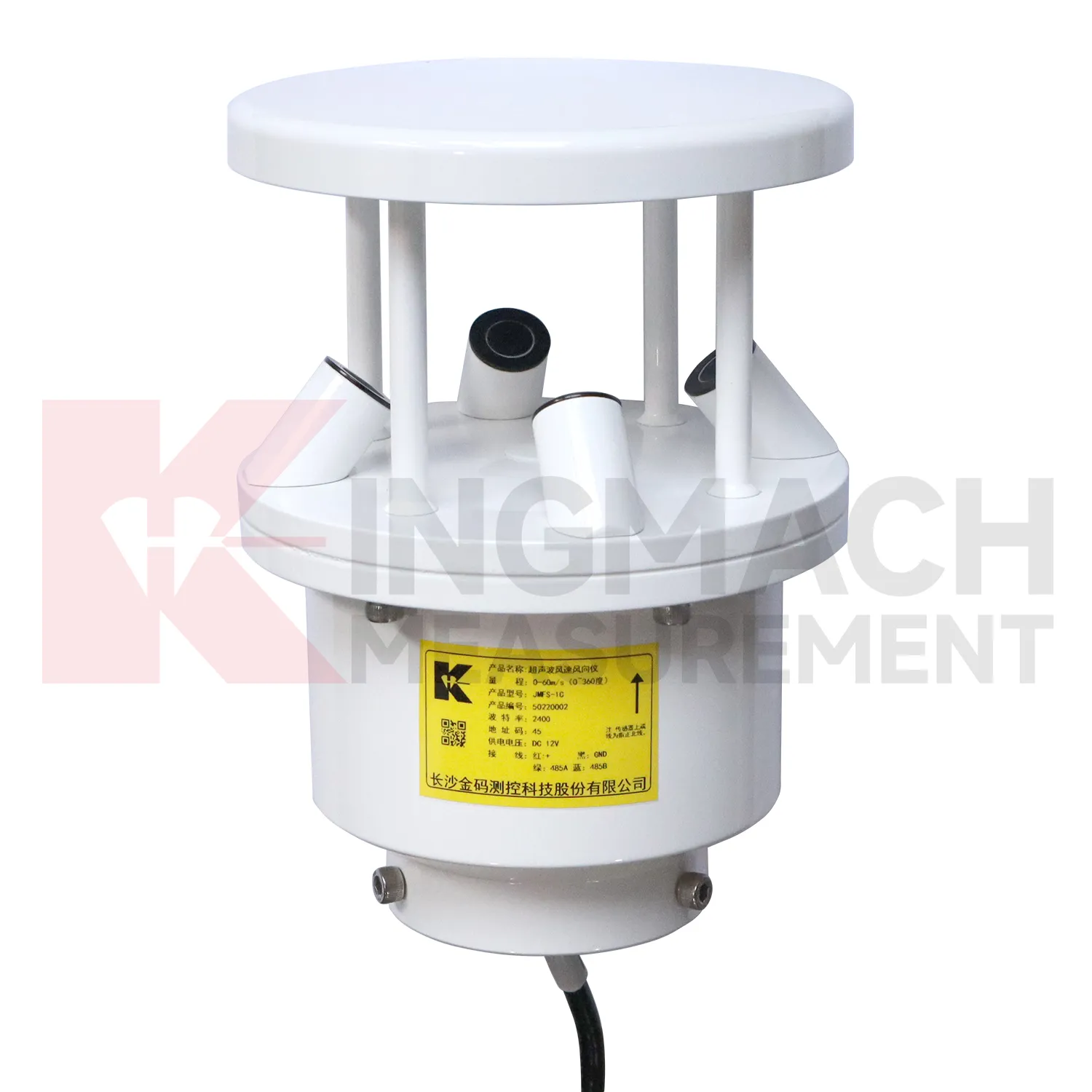
Ultrasonic Wind Speed and Direction Sensor JMFS-1C
View Details
FAQ
It depends on the root zone you’re managing. For maize, 30–60 cm is common; for turf, 10–15 cm. Place the sensor in the active root zone and backfill carefully to avoid air gaps.
Yes, the electronics are potted and rated for temperatures down to -20°C. The sensor won’t give meaningful readings below freezing since soil water is solid, but it won’t damage the probe.
The factory calibration covers most mineral soils with accuracy around ±3% VWC. For high-organic or very clayey soils, a site-specific calibration can improve results—Kingmach can provide a calibration service.
Typical operating voltage is 5–12 VDC, and current draw is low enough for solar-powered stations. The sensor draws about 10 mA during measurement.
Share your product type, target capacity, and application requirements. Our team can review the details and recommend a practical next step.
If you are interested in our products or want to become our partner.
Please leave your contact information, our team will contact you as soon as possible.
Mail: [email protected]
Contact Us: +8613808434127
Address: No. 188 Tongzipo West Rd, Changsha, Hunan, China