
 EN
EN
 ar
ar bg
bg hr
hr cs
cs da
da nl
nl fi
fi fr
fr de
de el
el hi
hi it
it ko
ko no
no pl
pl pt
pt ro
ro ru
ru es
es sv
sv tl
tl iw
iw id
id lv
lv lt
lt sr
sr sk
sk sl
sl uk
uk vi
vi et
et hu
hu th
th tr
tr fa
fa ms
ms hy
hy ka
ka ur
ur bn
bn mn
mn ta
ta kk
kk uz
uz ku
ku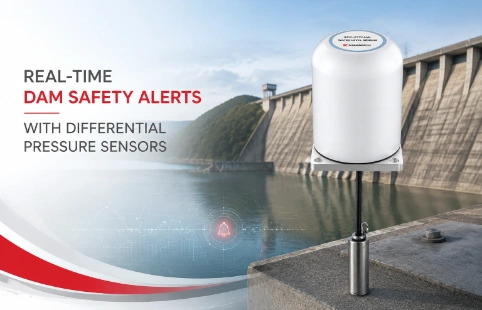
Real-Time Dam Safety Alerts with Differential Pressure Water Level Sensors
Key Takeaways An alert chain needs more than a sensor: define field in...

Load Cell Testing Equipment
Load cells often sit at the heart of geotechnical and structural monitoring—embedded in soil, bolted to rock bolts, or placed under bridge bearings. But before a load cell reports a reliable reading, it needs to be checked. That’s where testing equipment comes in. Instead of trusting a sensor straight out of the box, field engineers use test frames, calibration jigs, and readout units to verify output against known forces. Kingmach has spent years building load cells and the tools to test them. We don’t just sell the sensor; we make sure it works in your setup. Our testing gear spans from portable handheld units for spot checks to bench-top frames that simulate full-scale loads. Because we manufacture in-house, we can match a test setup to the load range, output signal, and environment you actually work in. No generic kits. No unnecessary frills. Just the equipment that helps you confirm each measurement before it goes into the ground.
Technical Detail
Load cell testing equipment covers a broad range of devices used to apply known forces and read the output of a load cell under verification. In practice, this can mean anything from a simple hydraulic hand pump with a reference load cell to an automated frame that steps through load increments while data logging. At Kingmach, we approach these tools with a geotechnical focus. Many of our customers test sensors that will end up in harsh environments—anchor load cells in wet boreholes, strain gauge load cells on structural steel, or pressure cells under concrete. That means the test equipment itself needs to be robust enough for a site office or a dusty workshop, not just a climate-controlled lab. Our testing equipment is typically built around the load cell to be tested. We start with the capacity: a 50 kN sensor requires a different frame and reference than a 5000 kN anchor load cell. Then we consider output type—whether it’s a 4-20 mA loop, a millivolt signal, or a digital RS485 bus—and supply a readout that matches. Calibration certificates traceable to national standards are available for the reference instruments. We often incorporate features like adjustable loading speeds, safety guards, and quick-connect fittings because we know testing cycles need to be efficient without compromising safety. Although we produce a standard range of test frames and portable testers, a good part of our work is adapting to project-specific requests. Maybe you need a test rig that fits inside a shipping container for offshore work, or a tester that can handle 20 sensors a day without fatigue. We’ve done that. Global shipping and after-sales support are part of the package. We keep it practical: tell us the load range, the environment, and what you’re trying to prove, and we’ll propose test equipment that fits.
News
Key Takeaways An alert chain needs more than a sensor: define field in...
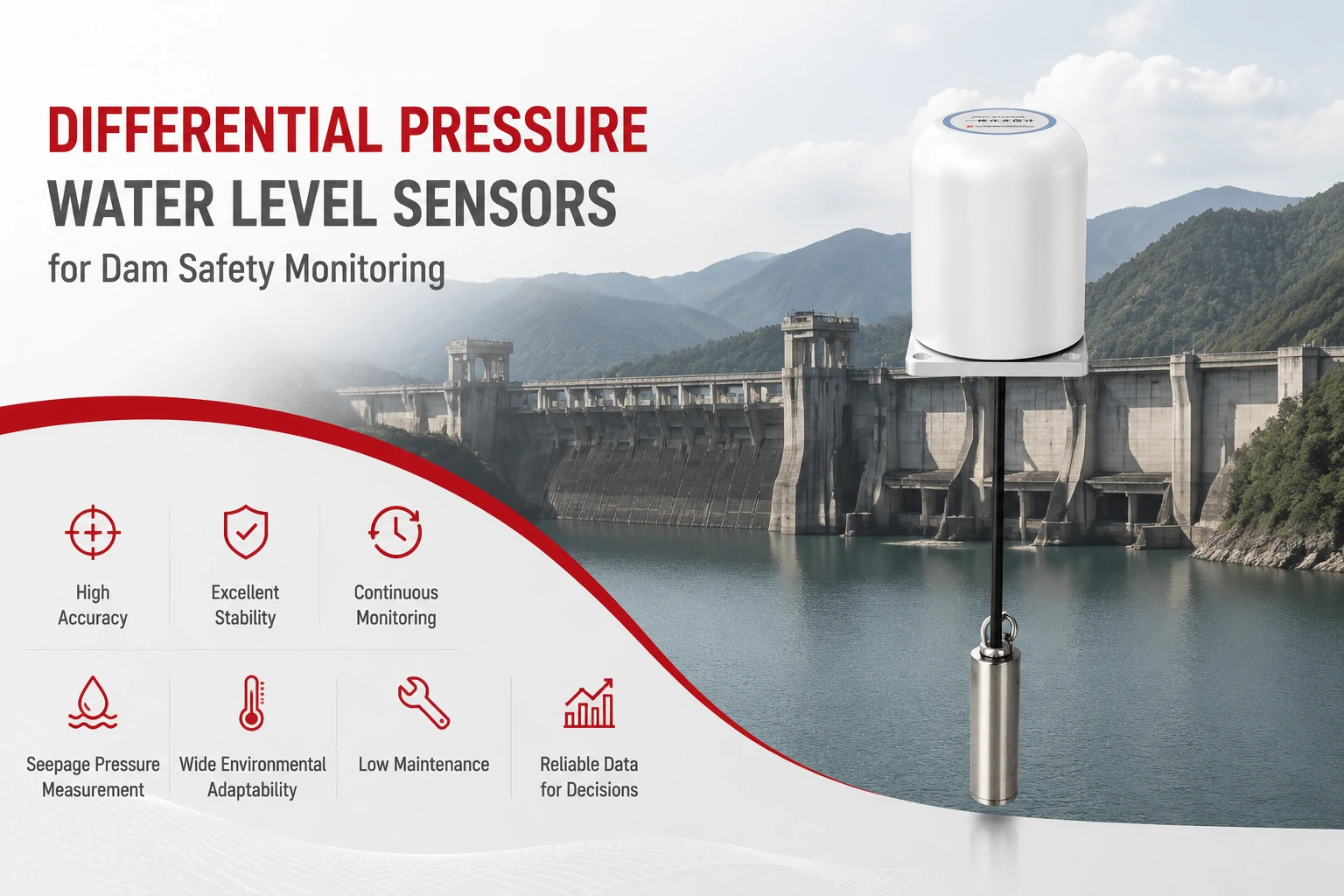
Key Takeaways The strongest fit is usually a confined, submerged, or s...
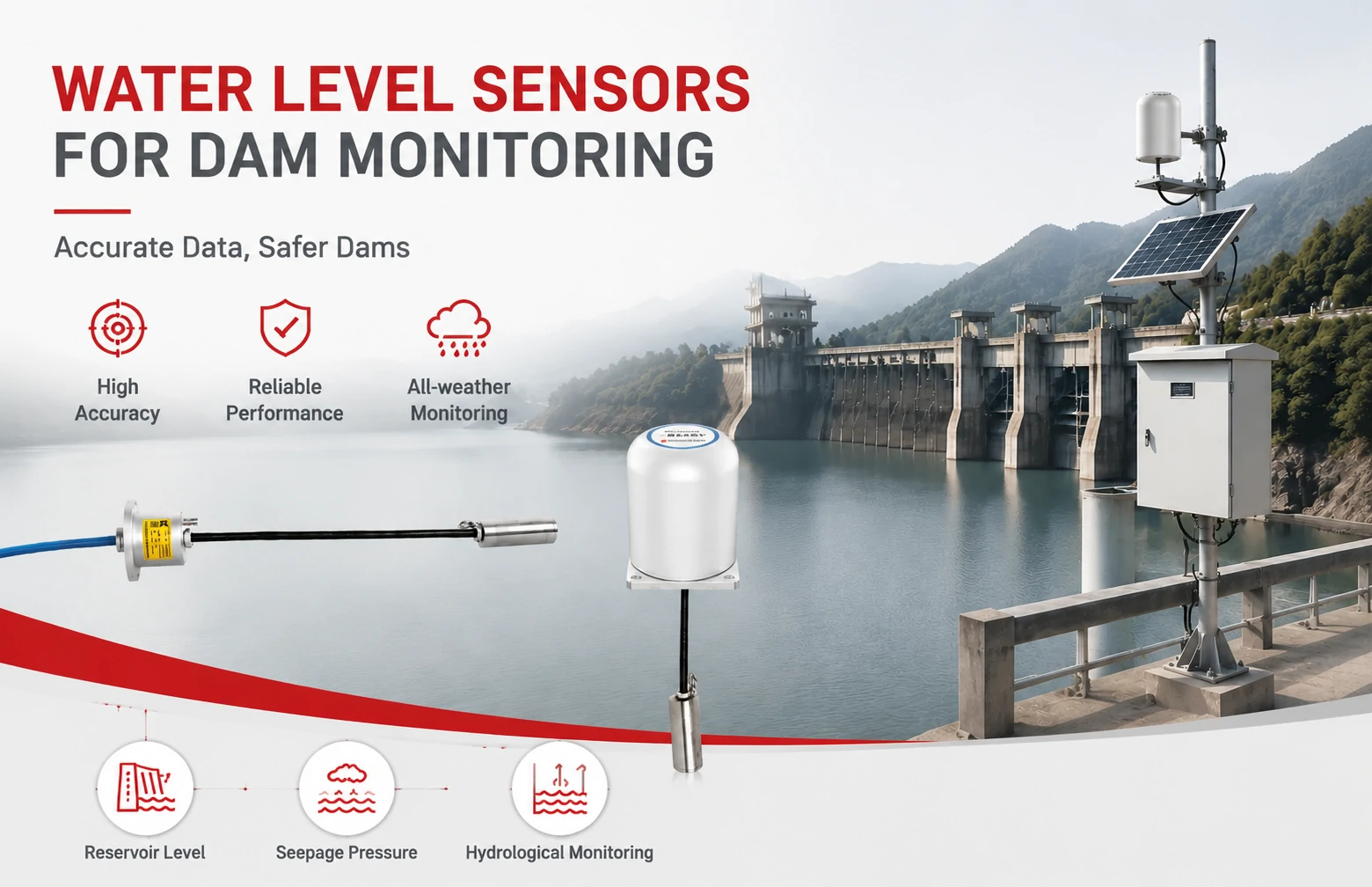
Kingmach Water Level Sensors for Dam Monitoring: A Buyer's Guide to Differential Pre...
Products
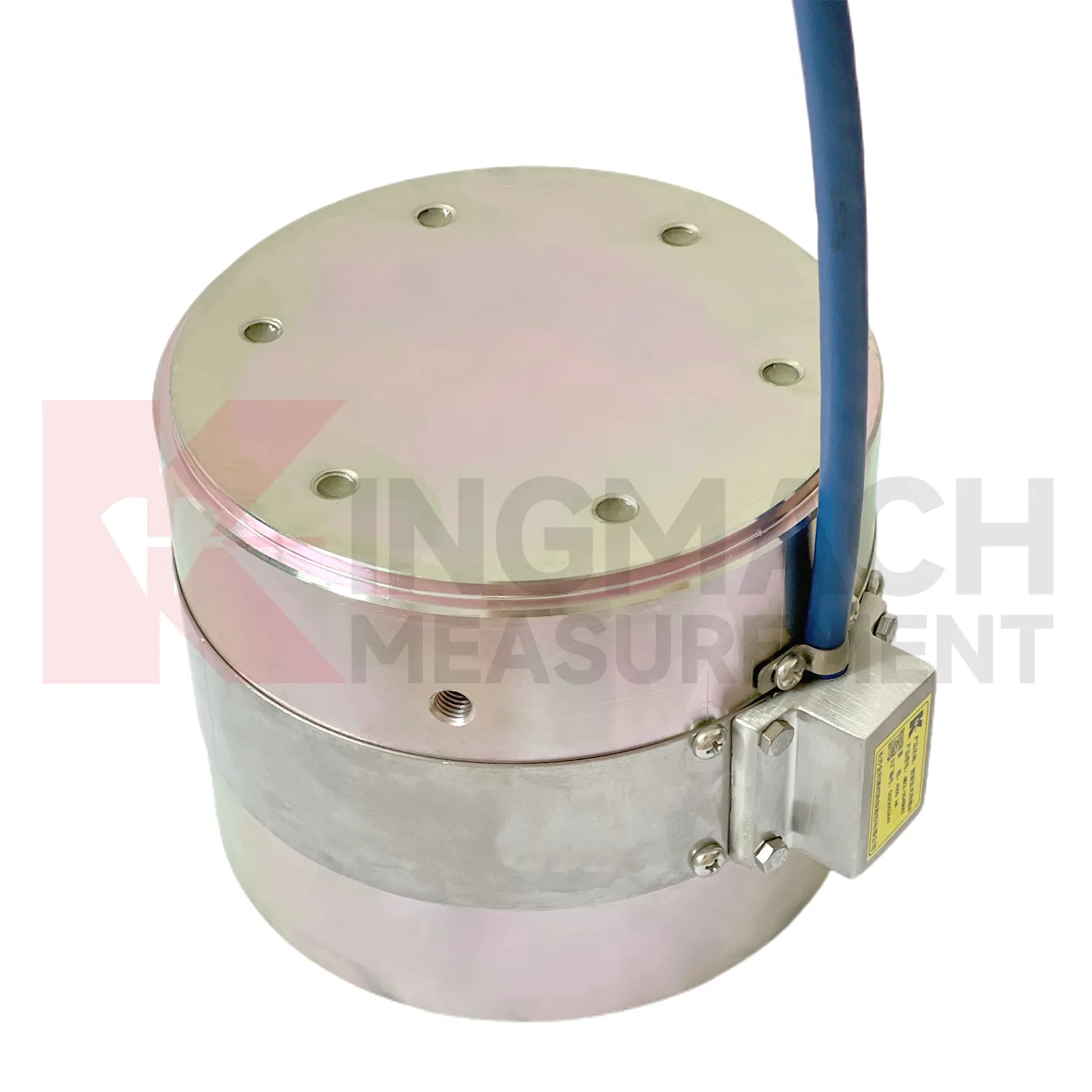
Solid load cell JMZX-34XXHAT、35XXHAT、36XXHAT
View Details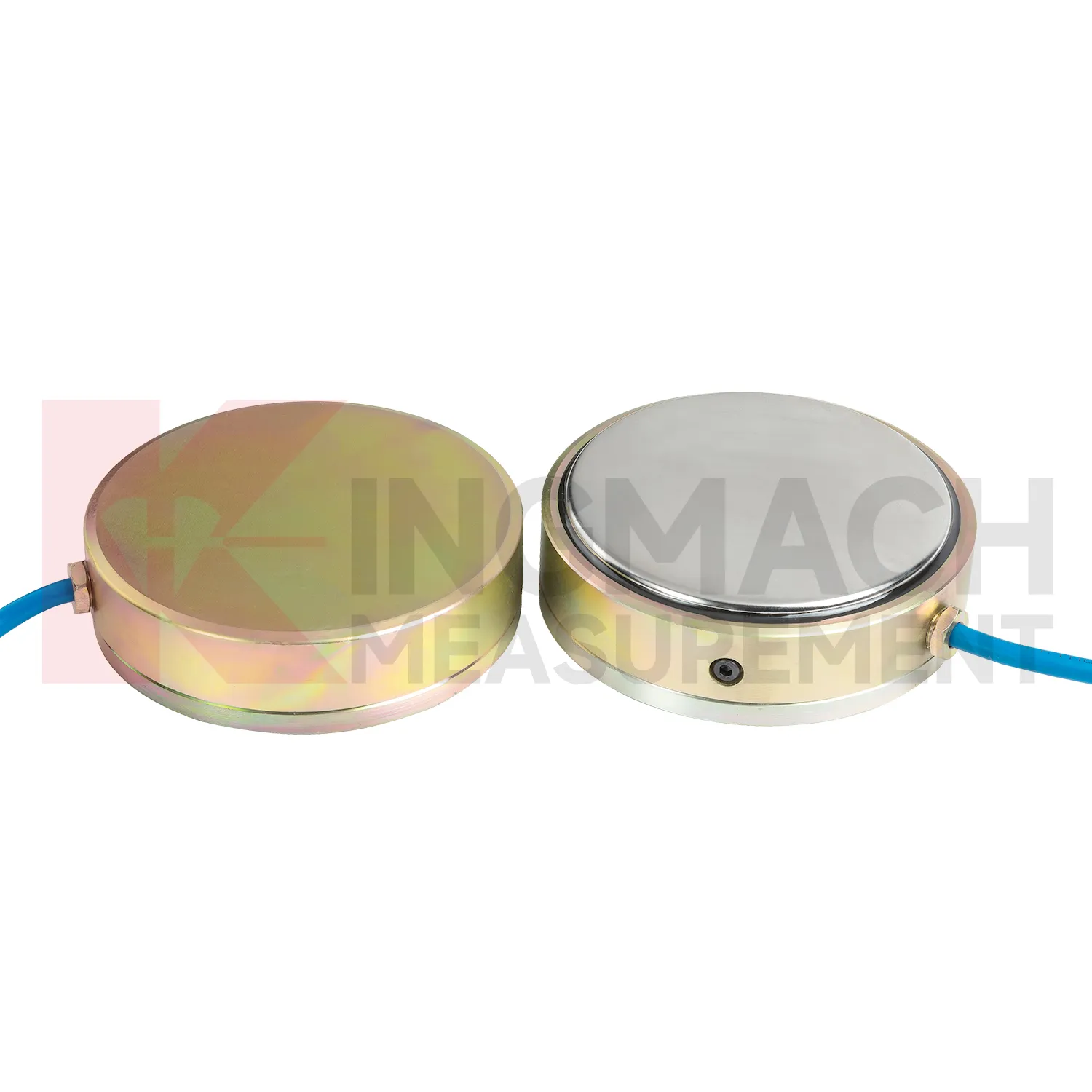
Large Earth Pressure Cell ( VW & Smart Type) JMZX-51XXAT/ ATM
View Details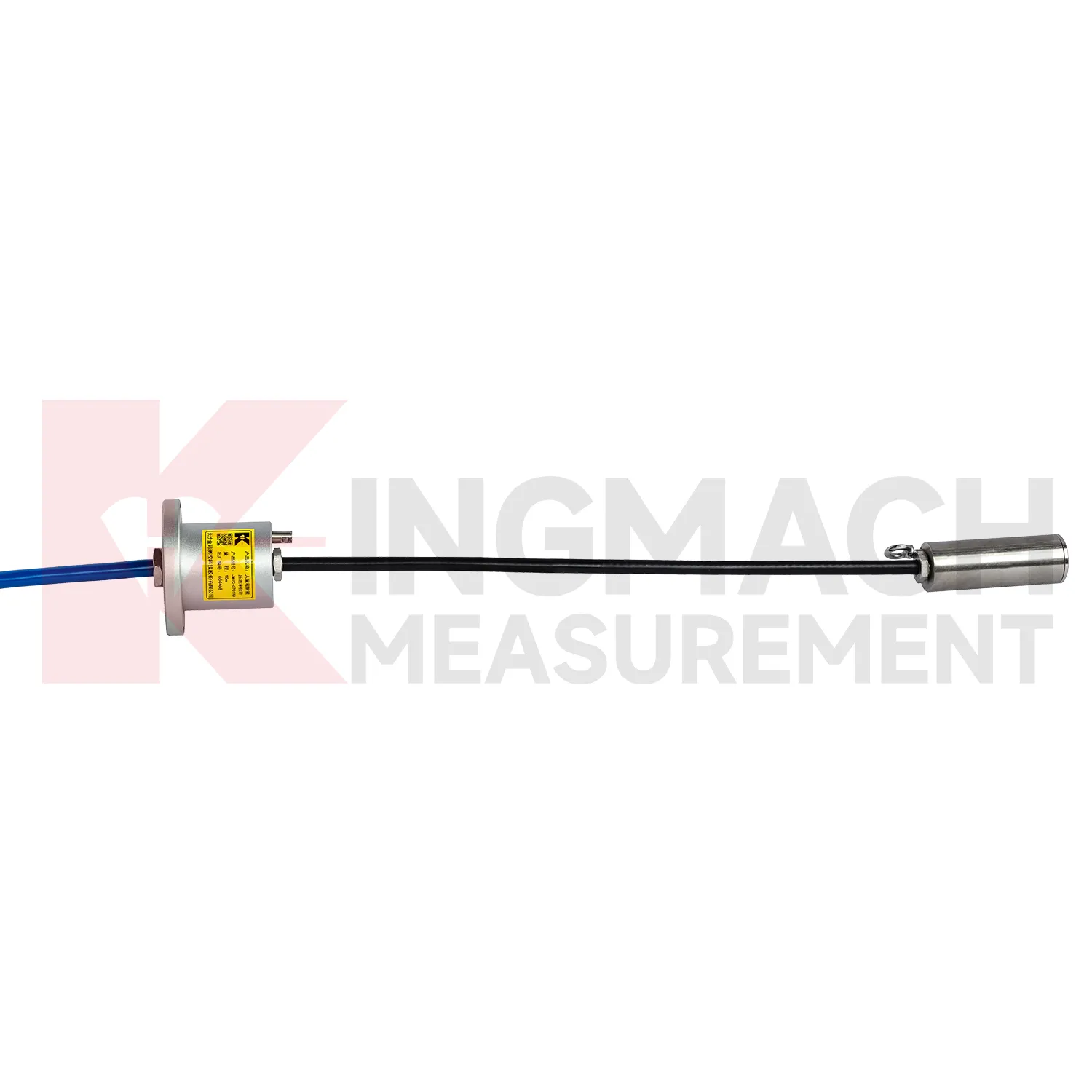
Wide-Range Smart Differential Pressure Water Level Meter JMYC-67XXAD
View DetailsFAQ
We supply portable testers that combine a hand pump, reference load cell, and digital indicator in a rugged case. These are built for quick checks at construction sites, bolt testing, or pull-out tests. They typically cover ranges from a few kN up to 500 kN, with options for higher capacities.
Yes, customization is common for us. If you have a large-diameter center-hole load cell or a special mounting pattern, we can design a test frame to hold it. For capacities above 3000 kN, we use heavy-duty frames with hydraulic rams and calibrated reference columns. We’ll need the drawings and specifications of the load cell to engineer a proper setup.
The reference load cells and indicators used in our testers come with calibration certificates traceable to national or international standards. We can also arrange periodic recalibration services or guide you to local labs. The key is to keep the whole measurement chain—reference sensor, amplifier, readout—calibrated as a system.
Every system ships with a detailed manual covering assembly, operation, and basic troubleshooting. For larger or more complex test frames, we often include on-site commissioning or remote video training. Our support engineers can walk your team through the first tests to make sure everything runs correctly.
Share your product type, target capacity, and application requirements. Our team can review the details and recommend a practical next step.
If you are interested in our products or want to become our partner.
Please leave your contact information, our team will contact you as soon as possible.
Mail: [email protected]
Contact Us: +8613808434127
Address: No. 188 Tongzipo West Rd, Changsha, Hunan, China