
 EN
EN
 ar
ar bg
bg hr
hr cs
cs da
da nl
nl fi
fi fr
fr de
de el
el hi
hi it
it ko
ko no
no pl
pl pt
pt ro
ro ru
ru es
es sv
sv tl
tl iw
iw id
id lv
lv lt
lt sr
sr sk
sk sl
sl uk
uk vi
vi et
et hu
hu th
th tr
tr fa
fa ms
ms hy
hy ka
ka ur
ur bn
bn mn
mn ta
ta kk
kk uz
uz ku
ku
Real-Time Dam Safety Alerts with Differential Pressure Water Level Sensors
Key Takeaways An alert chain needs more than a sensor: define field in...

Load Cell Performance Metrics: A Practical Look
Selecting a load cell isn't just about capacity. The numbers on the datasheet—accuracy, repeatability, temperature effects—tell you how the sensor will actually behave in the field. These performance metrics define measurement reliability, especially in geotechnical monitoring where long-term stability matters more than a lab-grade spec. At Kingmach, we've seen engineers struggle to compare sensors from different brands because datasheet formats vary. One manufacturer's "high accuracy" might only cover non-linearity, while another includes hysteresis. So here we break down what the key metrics mean and how to read them against your application. Understand these, and you'll make a choice that holds up when it's buried under concrete or subjected to seasonal temperature swings. No sales pitch, just a plain explanation of what matters when load cell performance is on the line.
Technical Detail
Load cell performance metrics are the real language of a sensor's capabilities. Most spec sheets list accuracy, but that's an umbrella term. It combines non-linearity, hysteresis, and repeatability—each measured as a percentage of full scale. For geotechnical instruments, creep and temperature effect on zero balance often become the decision-makers. A load cell that drifts after a month buried in soil will cost more in recalibration than its purchase price. Kingmach's load cells are built with these long-term factors in mind. Our production checks include compensated temperature range validation and creep testing, so the metrics you see on the datasheet reflect performance under sustained load, not just a quick lab test. Moreover, sensitivity (mV/V) determines signal strength, which affects how far you can run cables without noise issues. A typical Kingmach load cell offers 2.0 mV/V or 3.0 mV/V, matching industry standards while allowing for customization if your data logger prefers a higher output. We also document non-repeatability as a separate value because in cyclic loading applications—like pile tests—it directly impacts confidence in each measurement. The specs are not just numbers; they're a promise of how the sensor will perform when it matters.
News
Key Takeaways An alert chain needs more than a sensor: define field in...
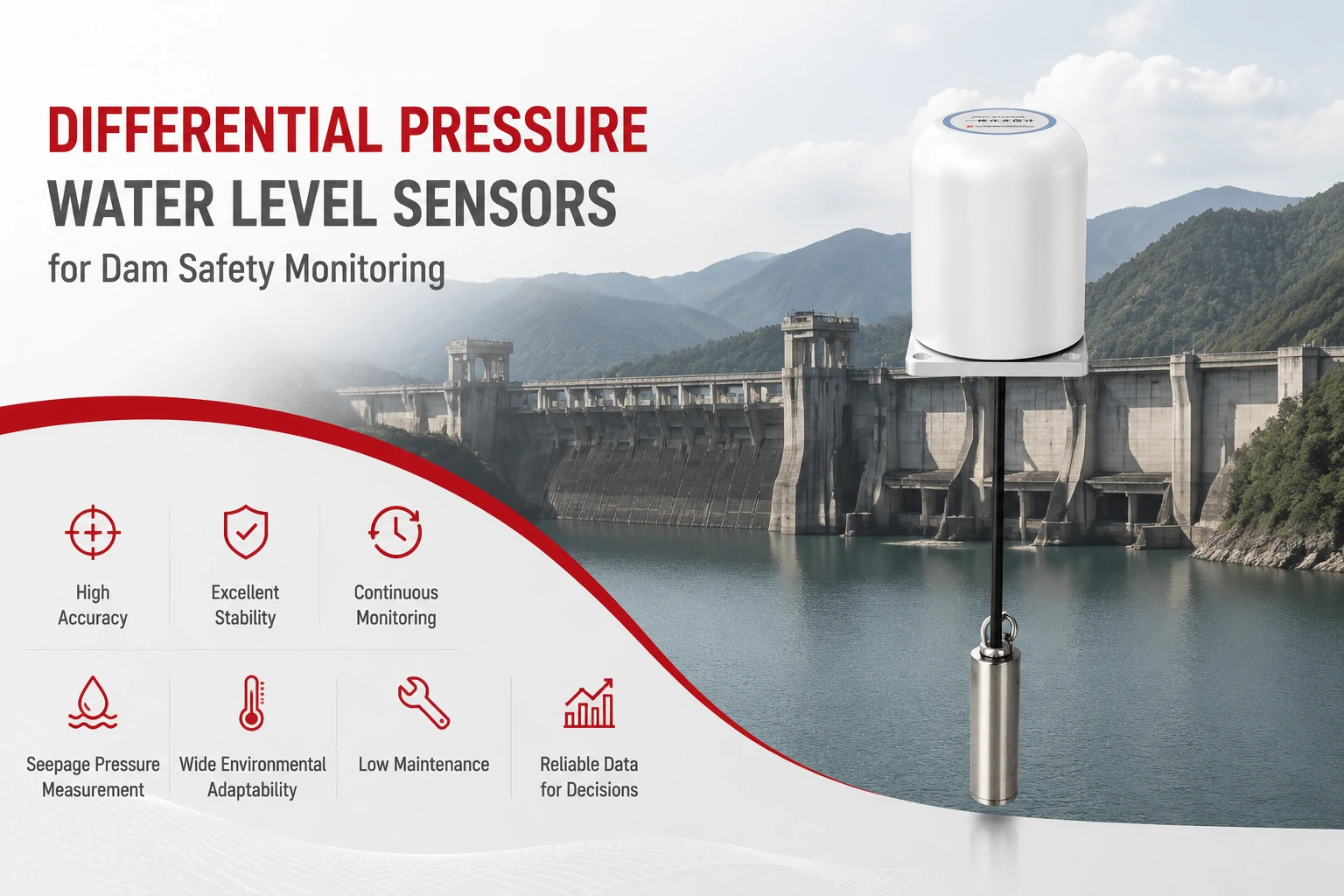
Key Takeaways The strongest fit is usually a confined, submerged, or s...
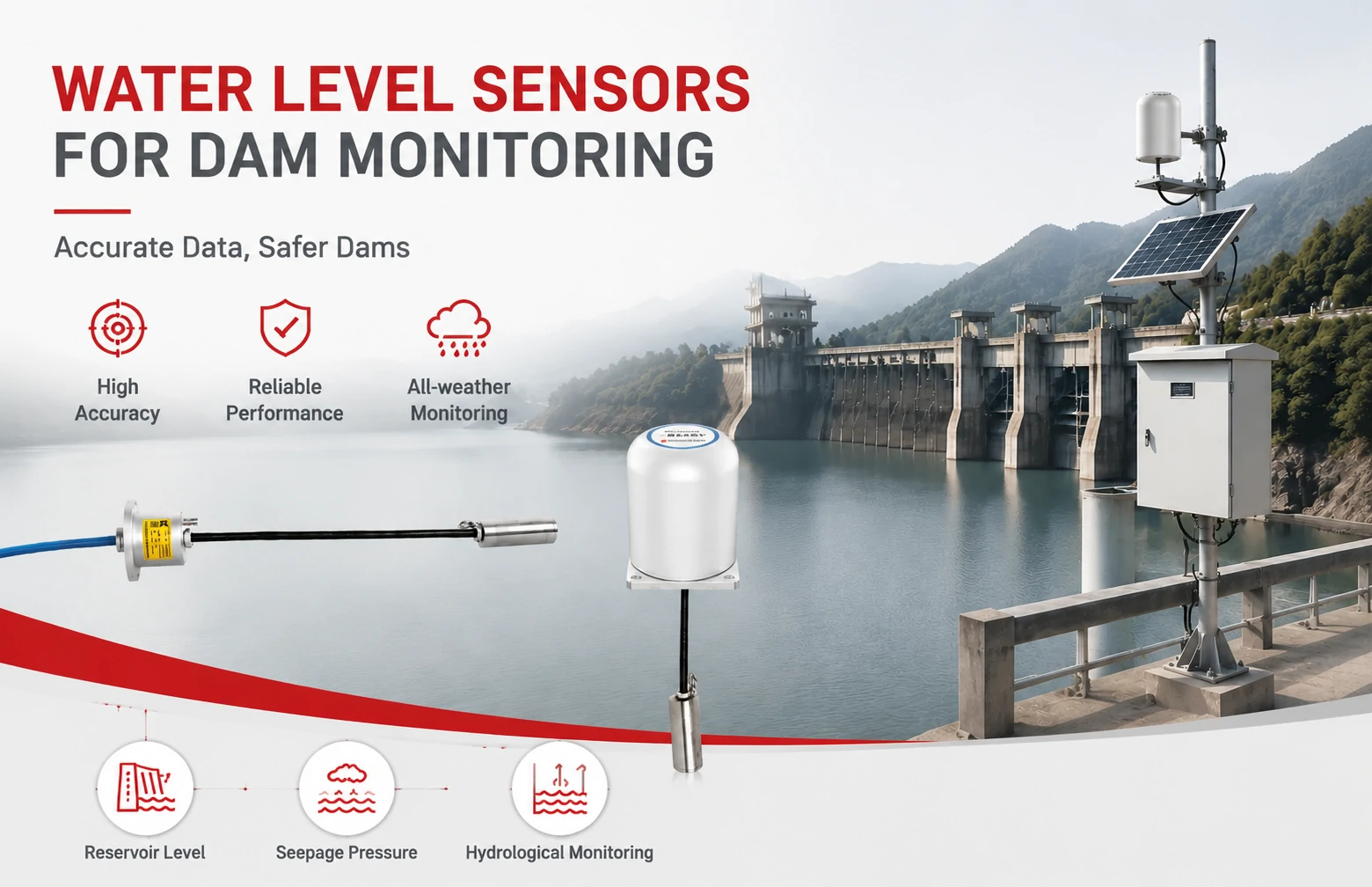
Kingmach Water Level Sensors for Dam Monitoring: A Buyer's Guide to Differential Pre...
Products
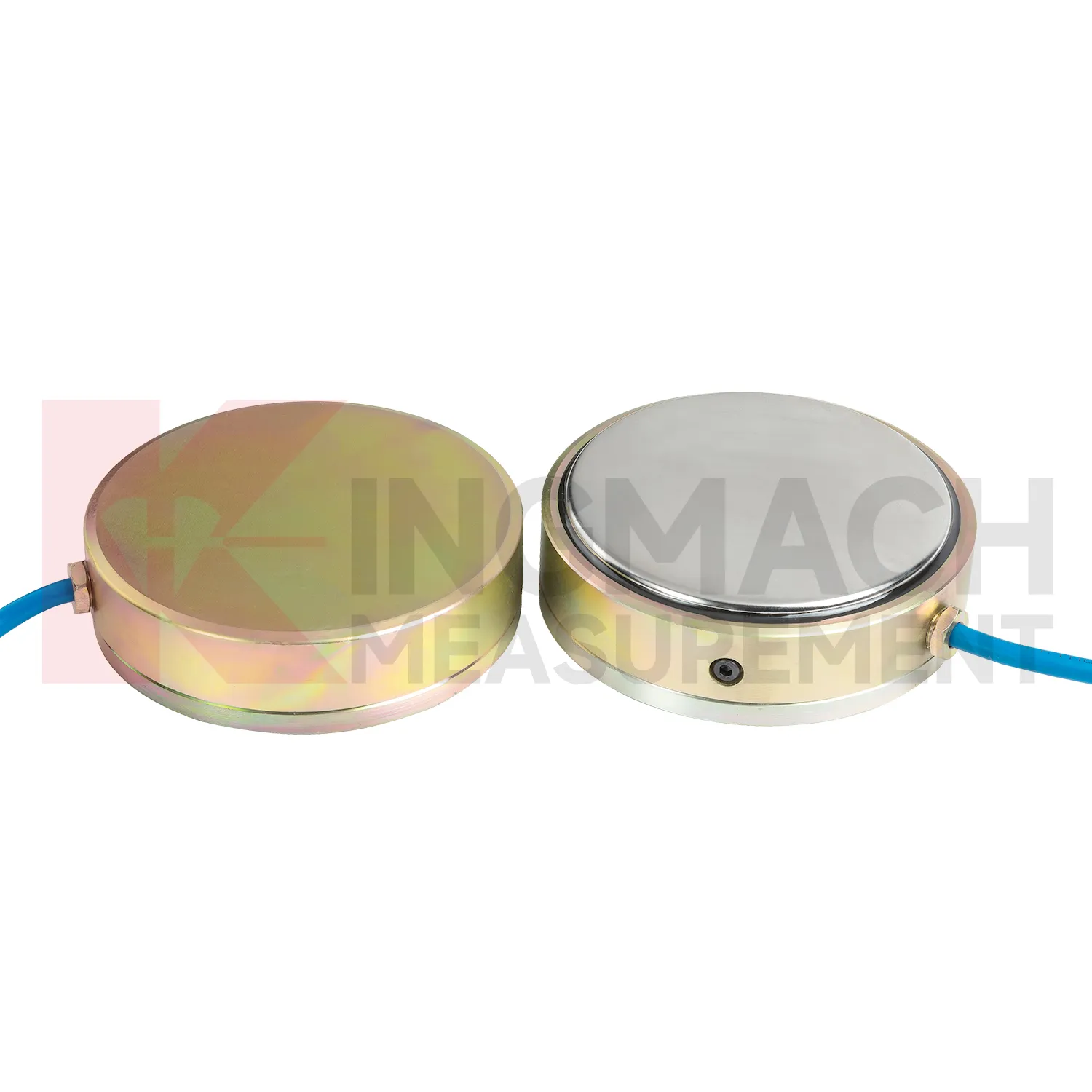
Earth Pressure Cell ( VW & Smart Type) JMZX-50XXAT/ ATM
View Details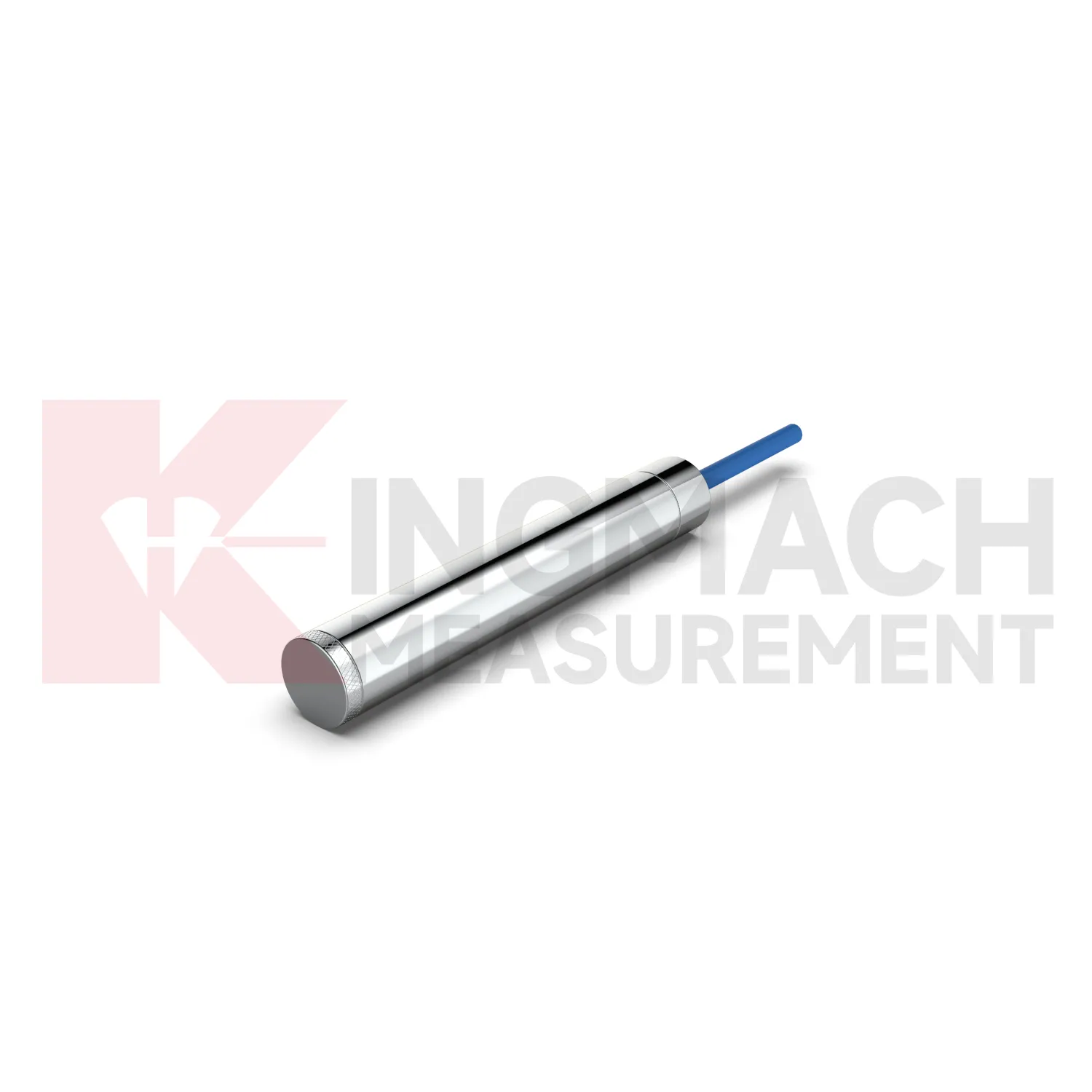
Smart Vibrating Wire PiezometerSmart Piezometers (VW) JMZX-55XXHAT
View Details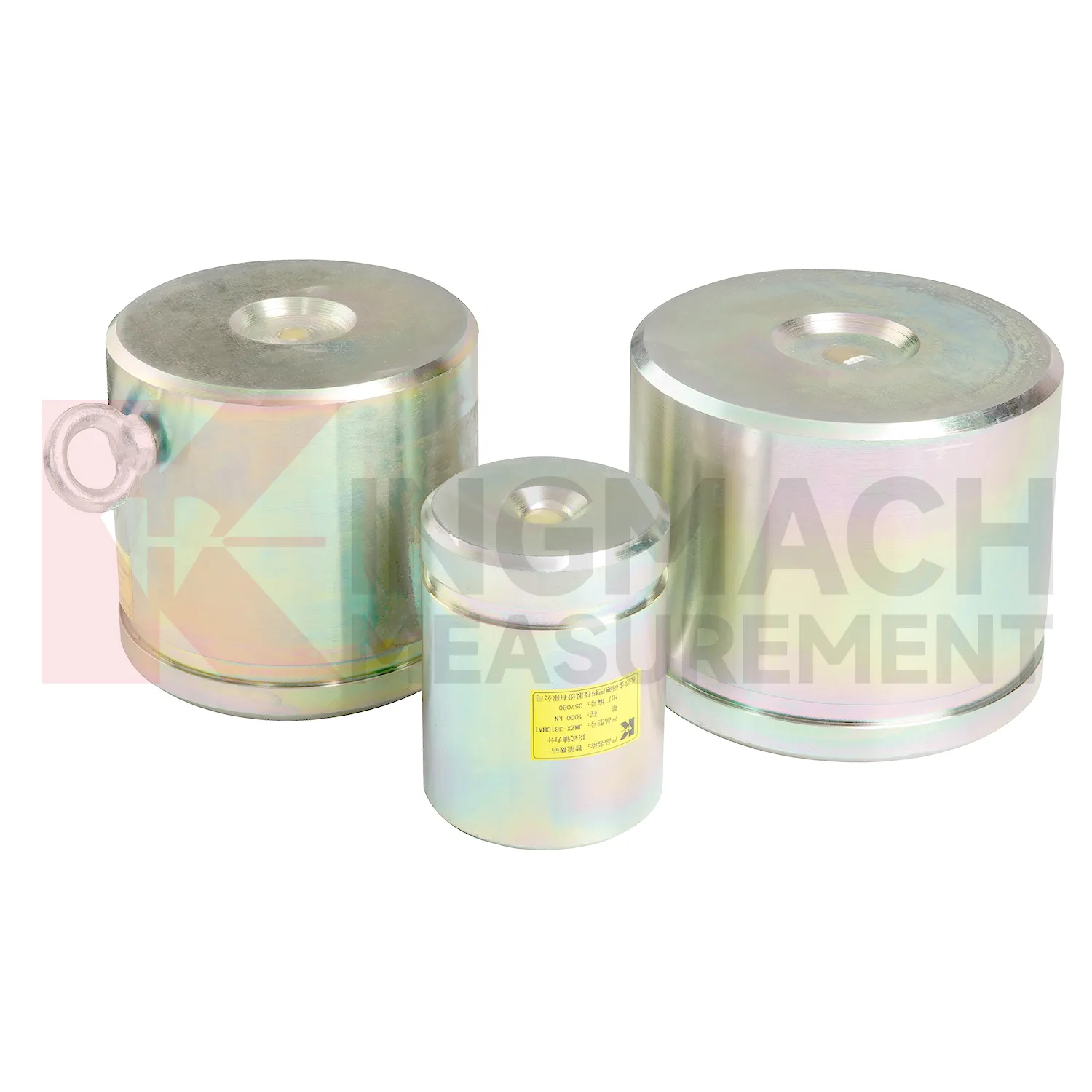
Axial Force Load Meter ( VW & Smart Type)JMZX-38XXHAT
View DetailsFAQ
Creep and temperature stability often outweigh initial accuracy. In projects that run for months or years, a load cell's ability to maintain zero and rated output without drift is critical. Kingmach tests for long-term creep to ensure readings remain trustworthy over the entire monitoring period.
Non-linearity tells you how much the output deviates from a straight line between zero and full capacity. It's part of the overall accuracy spec, but by itself isn't the full picture. A sensor with low non-linearity might still have significant hysteresis. We always recommend looking at the combined error from non-linearity, hysteresis, and repeatability.
Sensitivity indicates the signal level you'll get at full load. For example, a 2.0 mV/V load cell with 10V excitation gives 20 mV output. Lower sensitivity means more gain needed, which can amplify noise. Kingmach offers common sensitivity values and can adjust design for higher output if your system requires it.
Even indoor environments can see temperature swings that shift zero and output. The temperature effect specs define this shift per degree. For precision weighing indoors, it still counts. Kingmach provides compensated temperature ranges that cover typical industrial conditions.
Share your product type, target capacity, and application requirements. Our team can review the details and recommend a practical next step.
If you are interested in our products or want to become our partner.
Please leave your contact information, our team will contact you as soon as possible.
Mail: [email protected]
Contact Us: +8613808434127
Address: No. 188 Tongzipo West Rd, Changsha, Hunan, China