
 EN
EN
 ar
ar bg
bg hr
hr cs
cs da
da nl
nl fi
fi fr
fr de
de el
el hi
hi it
it ko
ko no
no pl
pl pt
pt ro
ro ru
ru es
es sv
sv tl
tl iw
iw id
id lv
lv lt
lt sr
sr sk
sk sl
sl uk
uk vi
vi et
et hu
hu th
th tr
tr fa
fa ms
ms hy
hy ka
ka ur
ur bn
bn mn
mn ta
ta kk
kk uz
uz ku
ku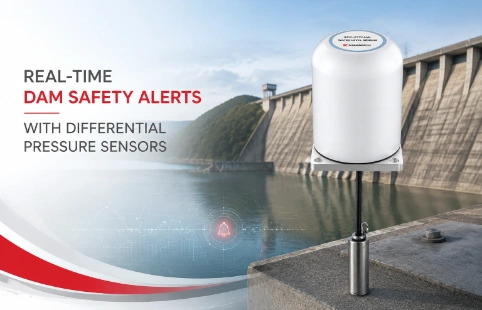
Real-Time Dam Safety Alerts with Differential Pressure Water Level Sensors
Key Takeaways An alert chain needs more than a sensor: define field in...

Load Cell Measurement: What Works in the Field
When you’re piecing together a monitoring system for a deep excavation or a bridge bearing, the load cell data is often what people watch most closely. A load cell measurement that drifts or reacts to temperature swings can turn a project schedule upside down. Kingmarch has been supplying these sensors long enough to know that stability and a straightforward signal are usually more valuable than flashy specs. The range includes annular, vibrating wire, and resistive models, all built to stay put and deliver clean readings without constant recalibration. Engineers working on slope stability or pile testing tend to prefer sensors that don’t demand special readout units, and that’s the direction we've taken. It’s not about reinventing the force transducer—it’s about making it work reliably in wet boreholes, under concrete pours, or on a hot summer afternoon.
Technical Detail
Load cell measurement sits at the heart of most geotechnical and structural monitoring setups. Kingmach’s approach is shaped by the reality that fieldwork rarely matches lab conditions. The vibrating wire load cells, for example, use a tensioned steel wire that shifts frequency under load. That principle inherently resists electrical noise, which makes them a solid choice for long-term monitoring where cable runs are long and lightning is a threat. For temporary works like strut monitoring, the resistive strain gauge models are lighter on the pocket and simpler to wire up. Both types come with signal output that integrates with common data loggers—no proprietary interfaces to lock you in. A typical order might include center-hole load cells for rock bolts, with capacities starting at 200 kN, moving up to 3,000 kN for larger anchor systems. What often matters more than the capacity range is how the cell handles eccentric loading. Our design incorporates a thick, stiff housing that distributes off-axis force and keeps the measurement within a tight error band. Calibration certificates ship with every unit, traceable to national standards. When a customer needs a non-standard diameter or a high-temperature version for geothermal monitoring, the production line can adjust without a six-month lead time. That flexibility stems from keeping most machining and assembly in-house, which also simplifies after-sales support. Whether the project is a dam instrumentation upgrade or a metro tunnel, the goal is consistent: capture the real force, not an artifact of the installation.
News
Key Takeaways An alert chain needs more than a sensor: define field in...
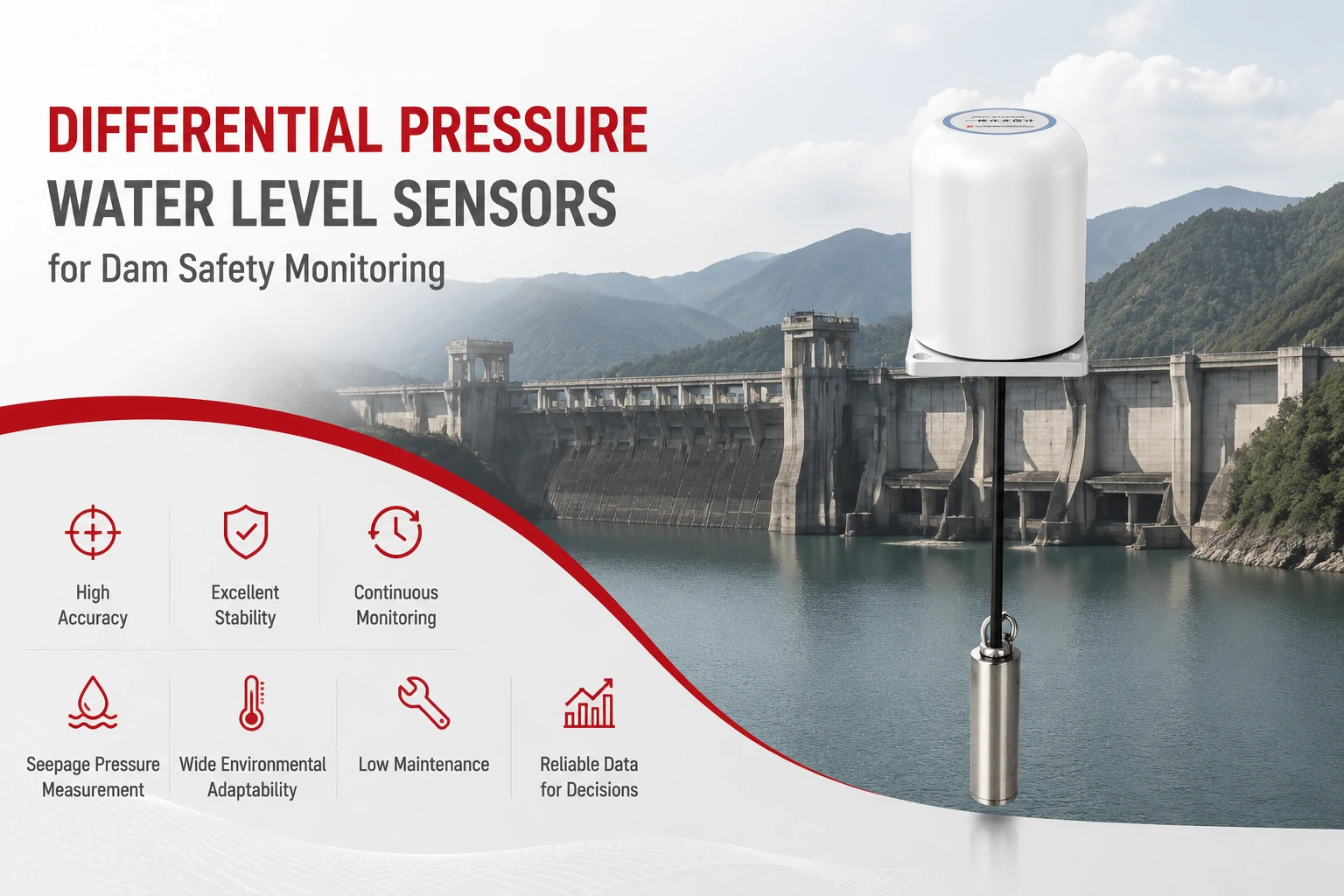
Key Takeaways The strongest fit is usually a confined, submerged, or s...
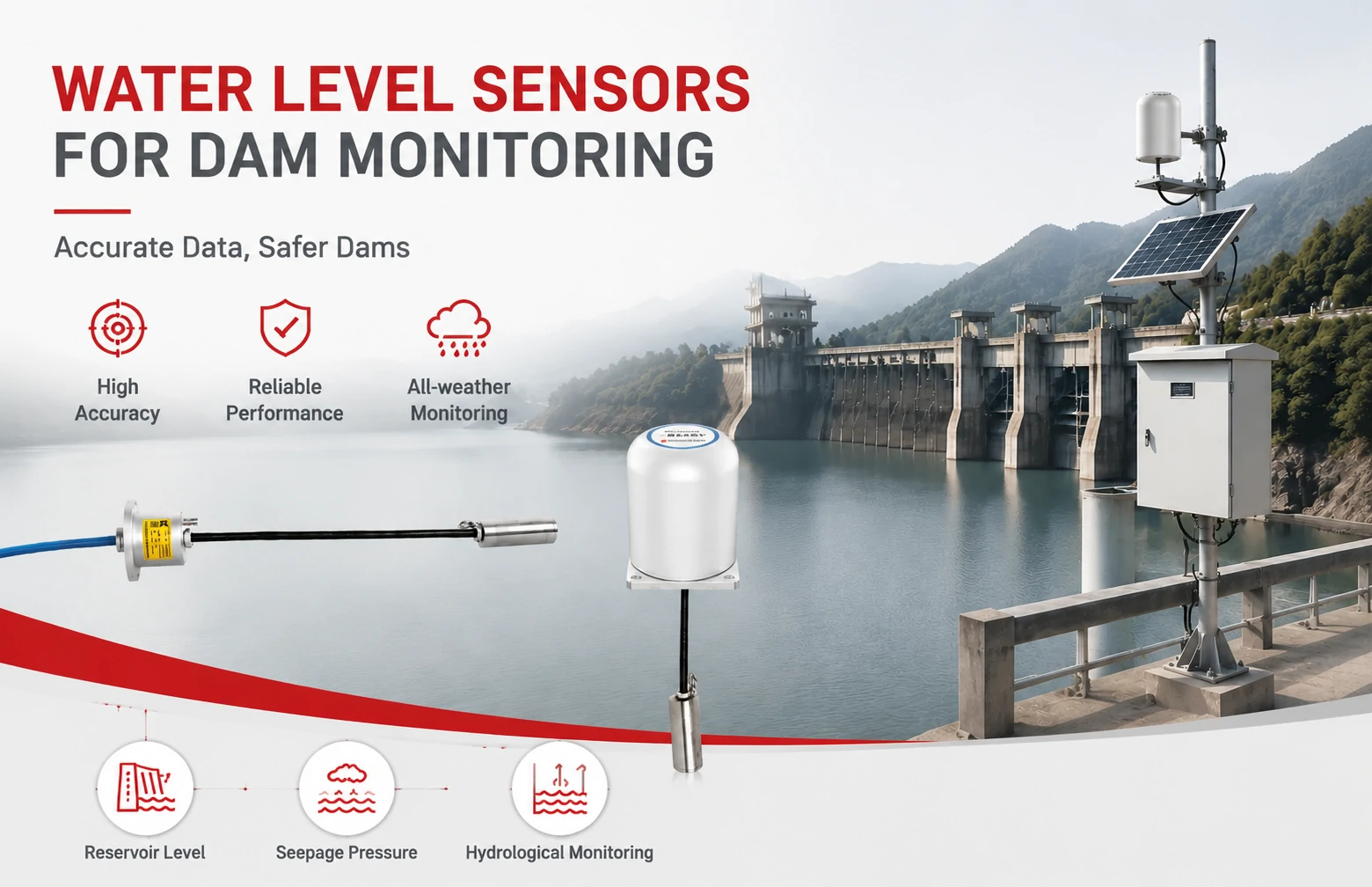
Kingmach Water Level Sensors for Dam Monitoring: A Buyer's Guide to Differential Pre...
Products
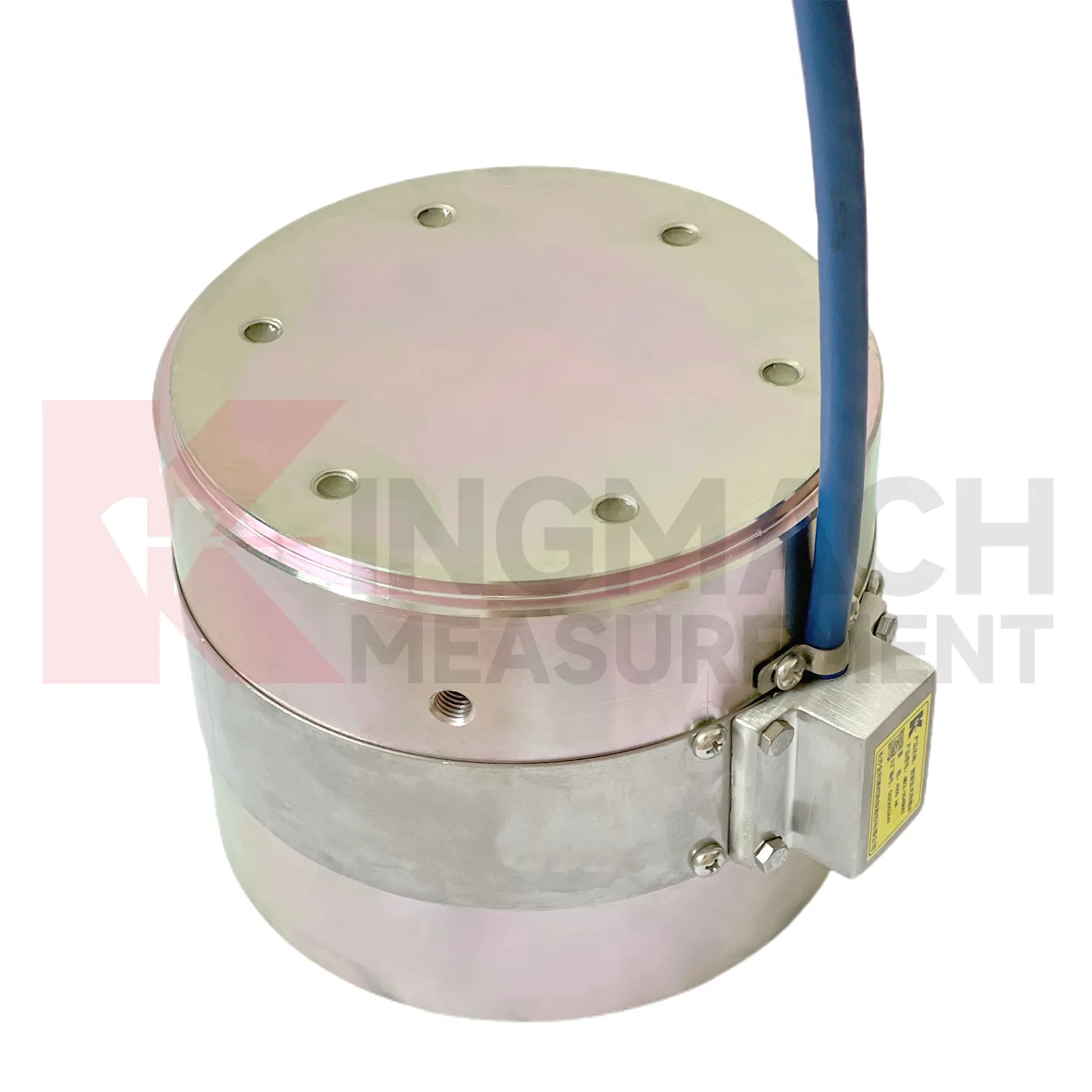
Solid load cell JMZX-34XXHAT、35XXHAT、36XXHAT
View Details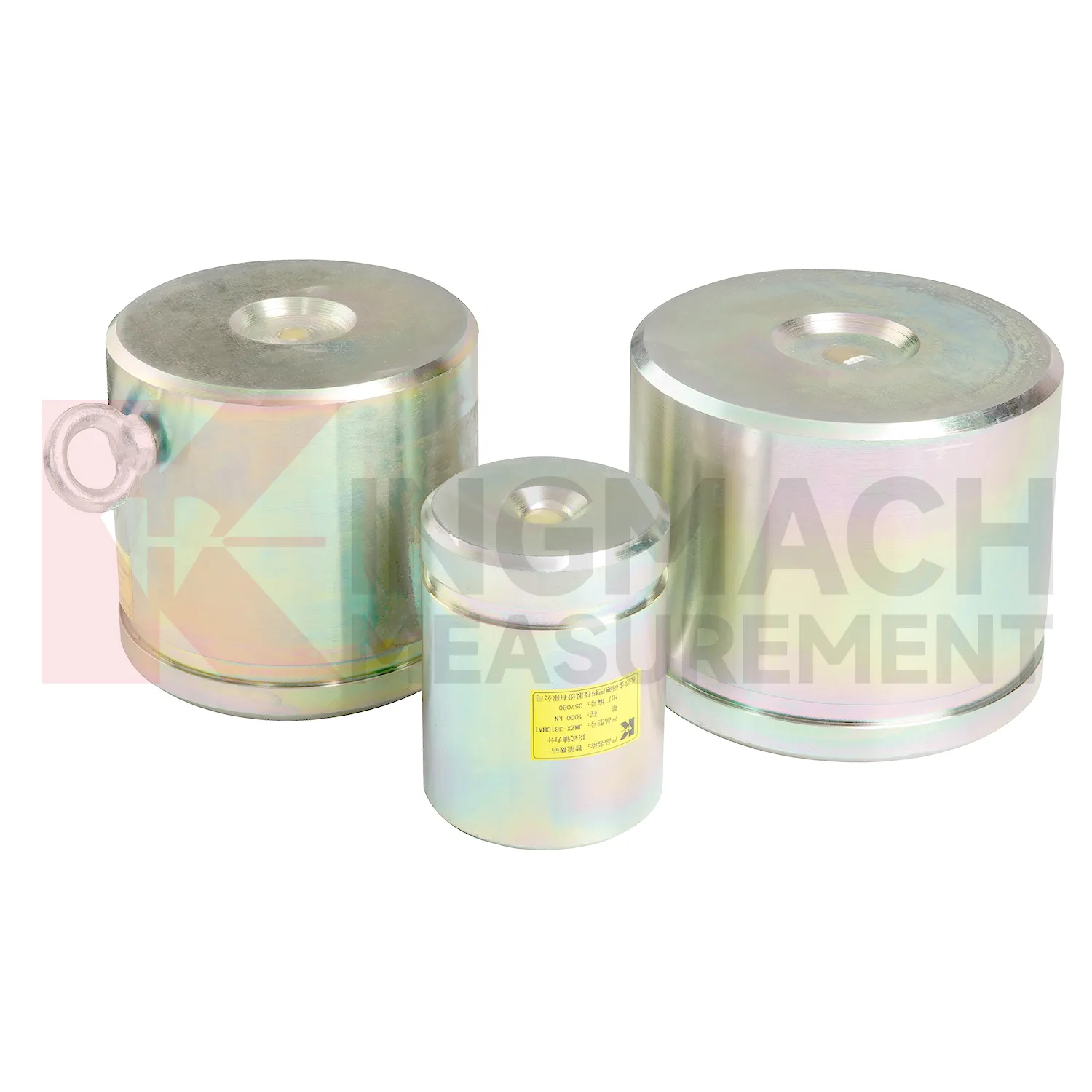
Axial Force Load Meter ( VW & Smart Type)JMZX-38XXHAT
View Details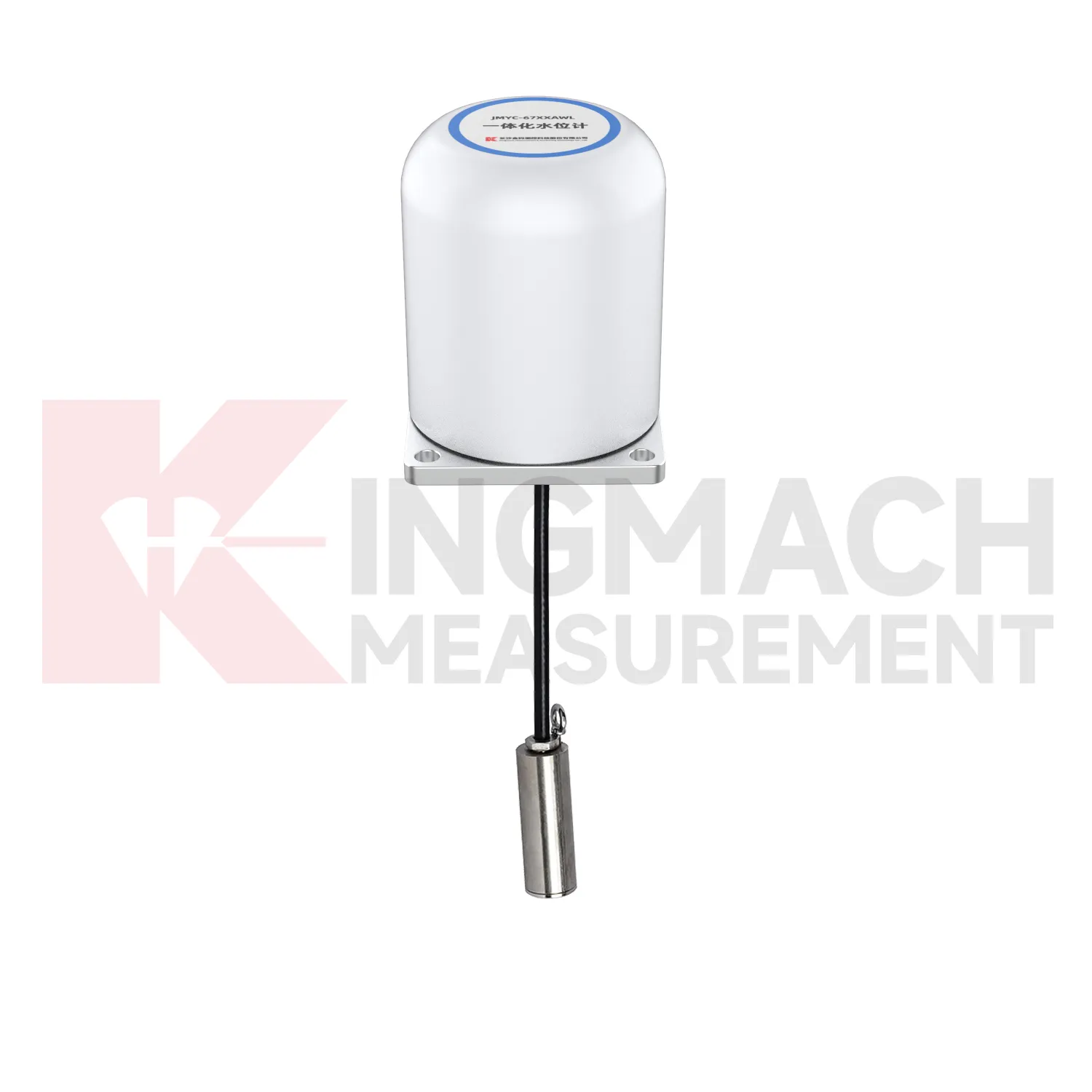
Integrated Wide-Range Differential Pressure Water Level Meter JMYC-67XXAWL
View DetailsFAQ
It depends on the model. Vibrating wire load cells output a frequency signal, readable by any VW readout unit or data logger. Resistive strain gauge types give a millivolt per volt signal, or optionally a 4–20 mA current loop if you add a signal conditioner. No custom protocols—just pick what your logger accepts.
If the installation is long-term (months to years) and the site has electrical noise or risk of lightning, vibrating wire is usually the safer bet. For short-term construction monitoring where cost is a bigger driver, strain gauge load cells work well. Also think about your readout equipment: if you already have a VW logger, stick with VW.
Yes. Most models are rated for submersion, but you’ll want to confirm the IP rating for your specific depth and application. The standard sealing holds up under typical groundwater conditions, but if you’re going down hundreds of meters, we can add extra O-rings or a gel-filled boot.
Every load cell ships with a calibration sheet traceable to national standards. For critical applications, we can also arrange third-party calibration on request.
For standard modifications—like a different cable length or a slightly altered diameter—it’s usually about four to five weeks. Fully custom designs take longer, but we try to keep it under eight weeks. Let us know the specifics and we’ll give a firm date.
Share your product type, target capacity, and application requirements. Our team can review the details and recommend a practical next step.
If you are interested in our products or want to become our partner.
Please leave your contact information, our team will contact you as soon as possible.
Mail: [email protected]
Contact Us: +8613808434127
Address: No. 188 Tongzipo West Rd, Changsha, Hunan, China