
 EN
EN
 ar
ar bg
bg hr
hr cs
cs da
da nl
nl fi
fi fr
fr de
de el
el hi
hi it
it ko
ko no
no pl
pl pt
pt ro
ro ru
ru es
es sv
sv tl
tl iw
iw id
id lv
lv lt
lt sr
sr sk
sk sl
sl uk
uk vi
vi et
et hu
hu th
th tr
tr fa
fa ms
ms hy
hy ka
ka ur
ur bn
bn mn
mn ta
ta kk
kk uz
uz ku
ku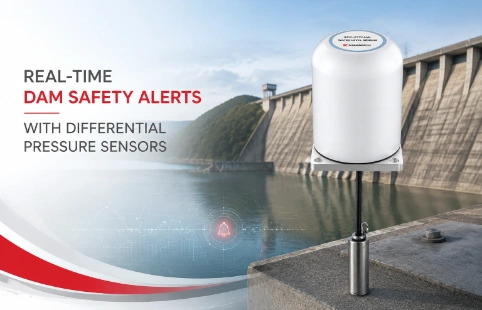
Real-Time Dam Safety Alerts with Differential Pressure Water Level Sensors
Key Takeaways An alert chain needs more than a sensor: define field in...

Crack Gauge Selection for Geotechnical Monitoring
Crack gauges measure tiny changes in crack width on structures like dams, retaining walls, and tunnel linings. When you need to know if a crack is stable or slowly widening, these instruments give you the data. Kingmach supplies a range of crack gauges—vibrating wire, linear potentiometer, and others—so you can match the sensor to your site conditions and monitoring setup. We’ve worked with engineers who needed custom gauge lengths for an arch dam, or wanted a gauge that could survive in a corrosive environment. That’s the kind of adaptation we handle. Our manufacturing covers the sensor element, the mounting hardware, and often the data logger interface. If your project requires ATEX or submersible options, we can discuss how to configure for it. What you get is a sensor that reads out crack displacement over months or years, often with temperature compensation built in. This introduction won’t list every model, but it gives you a feel for what’s possible. The rest of this page gets into the specifics.
Technical Detail
On a concrete spillway, a hairline crack might not look like much, but if water gets in and freeze-thaw cycles start, it can grow fast. A crack gauge installed across the joint tells you exactly when that movement happens. At Kingmach, we build instruments to catch those changes early. Our crack gauges use vibrating wire or potentiometric sensing, and we offer both single-axis and triaxial configurations. Key features include robust stainless steel bodies, IP68 sealing for submersion, and built-in thermistors for temperature correction. You can order standard ranges from 0–10mm up to 0–100mm, but if your crack is wider or narrow, we can adjust the range. The output signal is frequency or voltage, compatible with most data loggers and automatic monitoring systems. We’ve supplied crack gauges for: dam galleries, where humidity is near 100%; underground excavations, where space is tight and the gauge needs to survive blasting; and slope stability studies, where the gauge is embedded in soil or rock. In each case, the gauge had to be customized—maybe a longer cable, a different anchor type, or a desiccant chamber for humidity control. We also offer mounting accessories: groutable anchors, extension rods, and protective covers. Since we manufacture in-house, we can turn around custom orders quickly, often within a few weeks. After delivery, we provide setup support and calibration data. For long-term monitoring, we recommend pairing the gauge with a data acquisition system, which we can also supply. Need help picking the right gauge for your project? We’re used to answering technical questions, from linearity specs to zero-shift under temperature cycling.
News
Key Takeaways An alert chain needs more than a sensor: define field in...
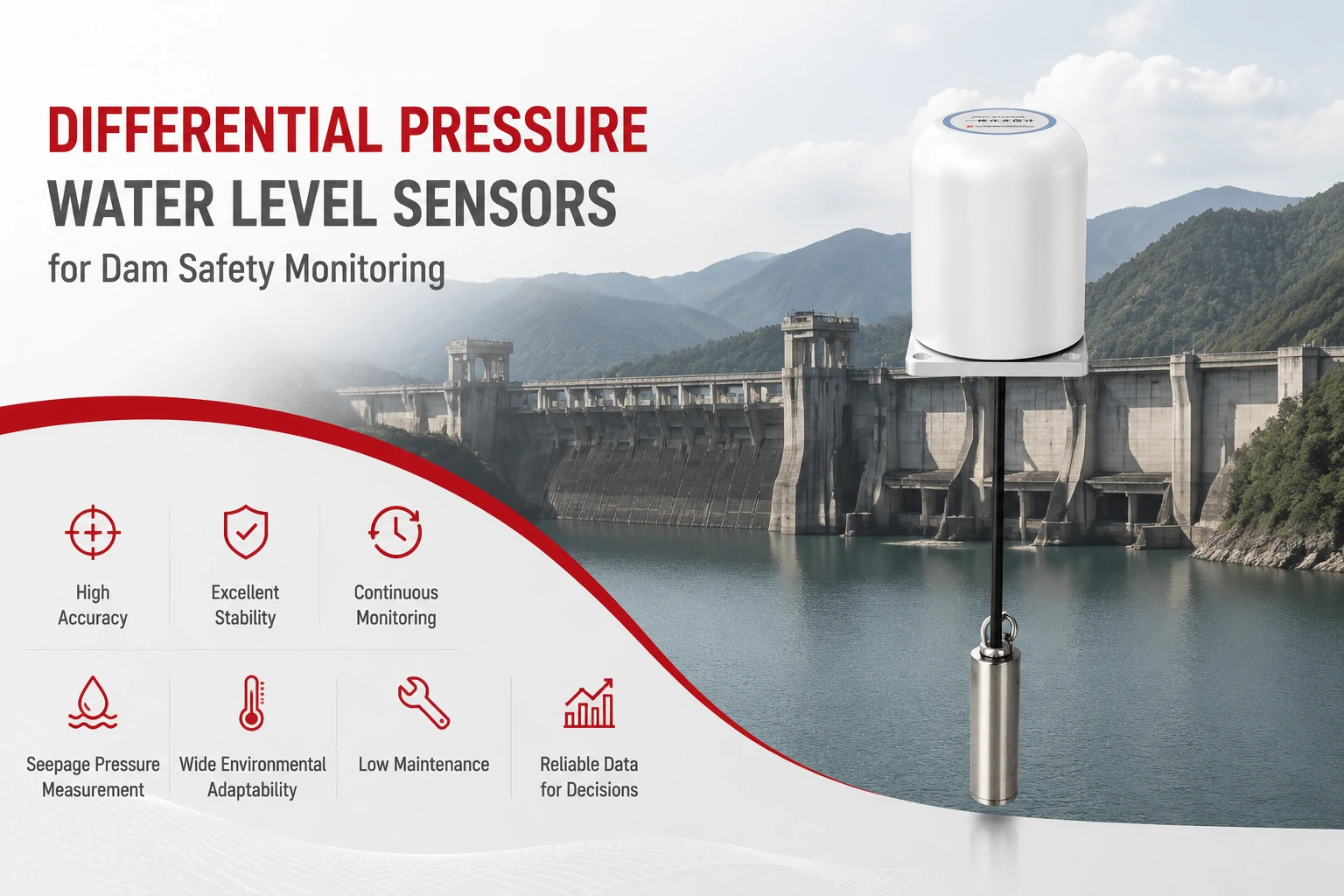
Key Takeaways The strongest fit is usually a confined, submerged, or s...
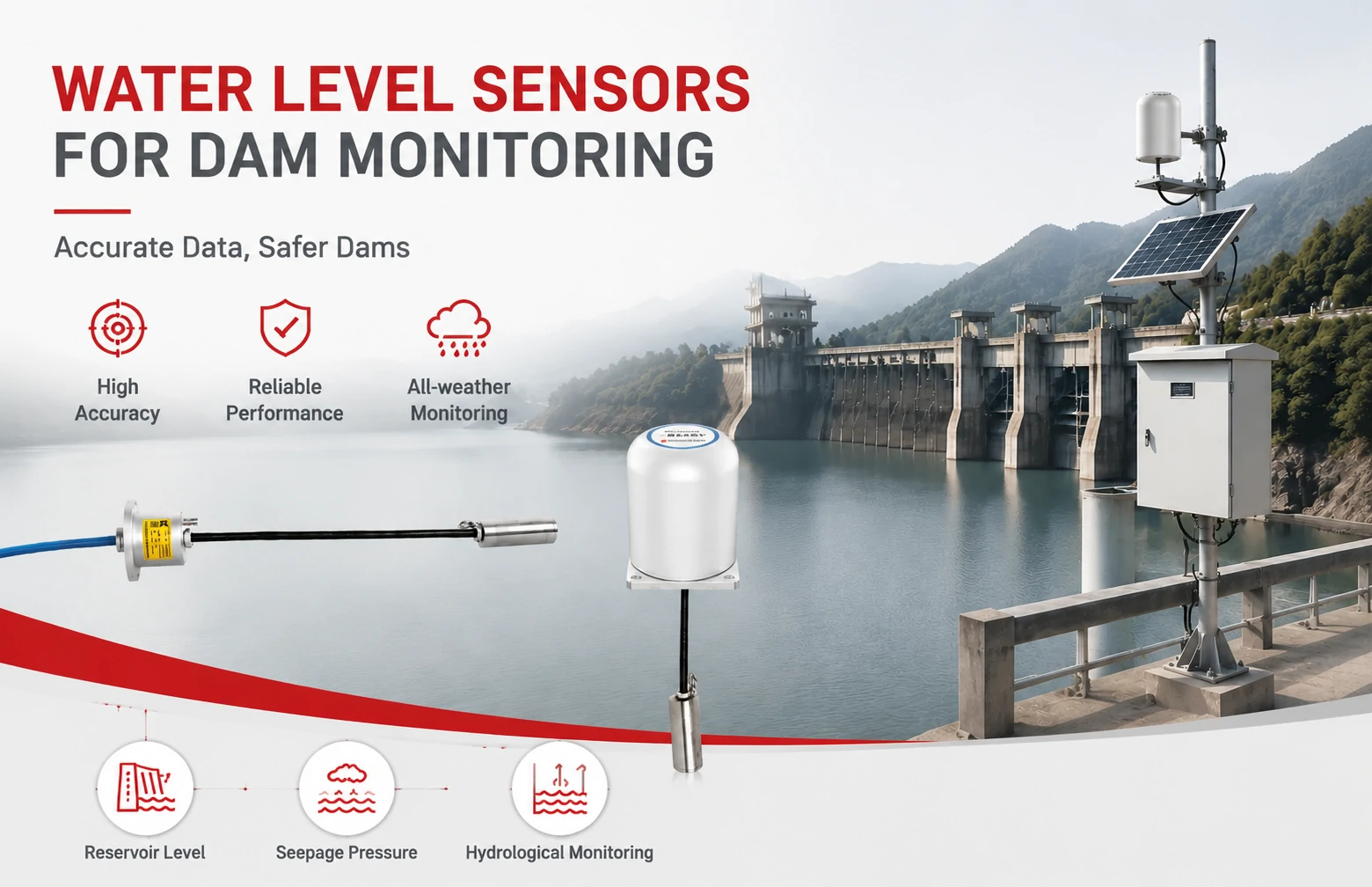
Kingmach Water Level Sensors for Dam Monitoring: A Buyer's Guide to Differential Pre...
Products
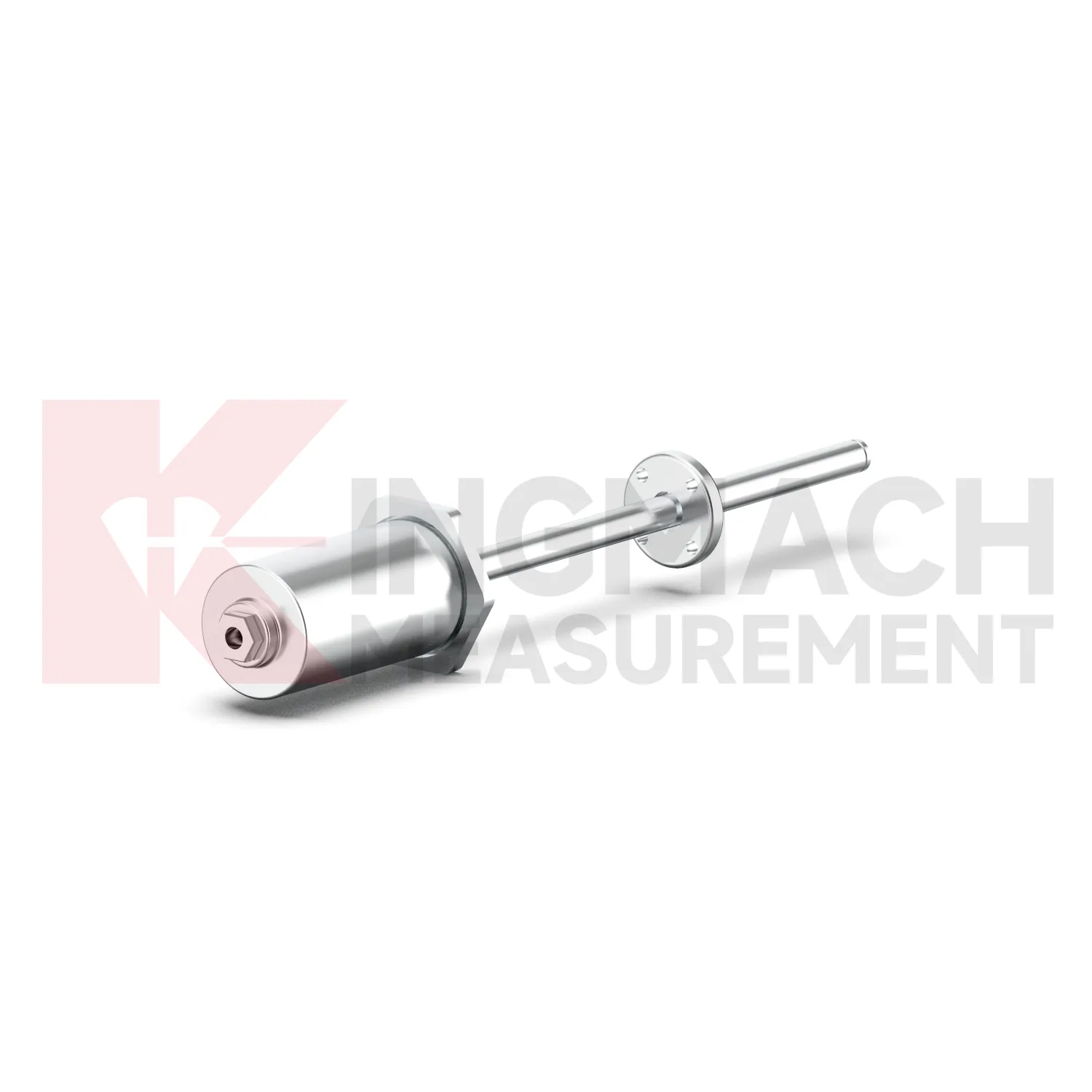
Magnetostrictive Displacement Meter JMCW-21XXADT
View Details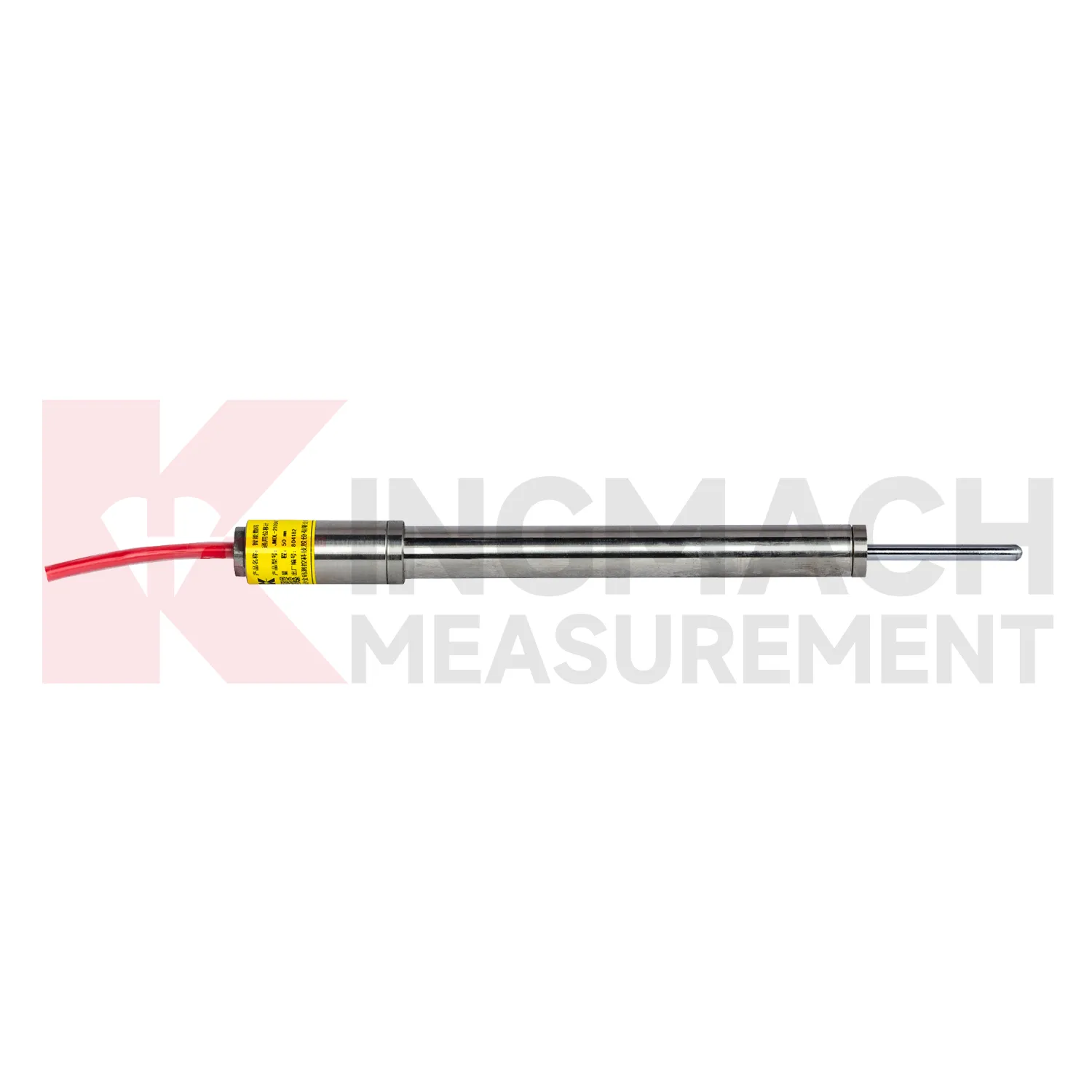
Smart General-Purpose Displacement MeterJMDL-21XXAT
View Details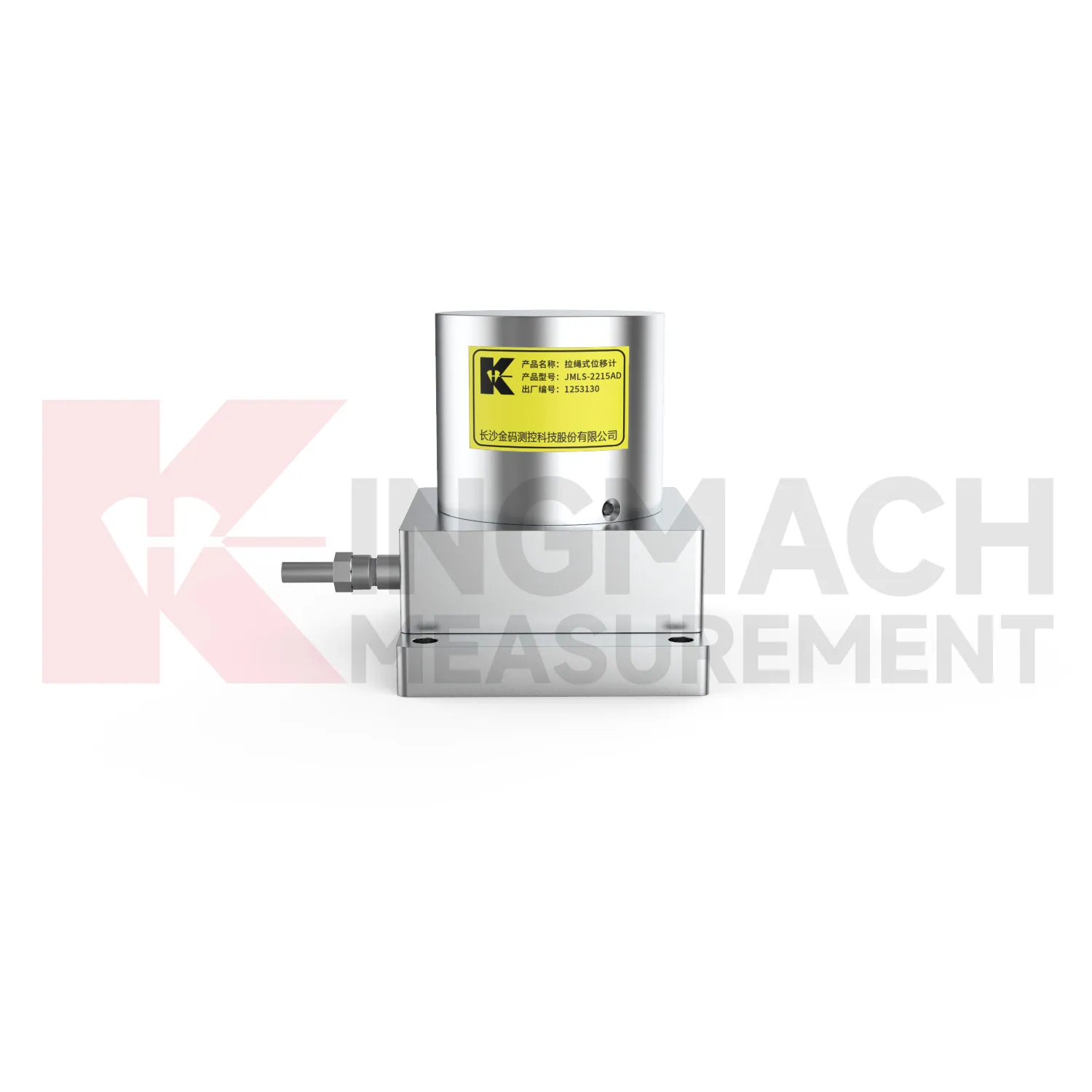
FAQ
Vibrating wire gauges are preferred for long-term stability and resistance to electrical noise, while potentiometric gauges offer higher resolution and simpler readouts. Choose based on your monitoring duration and data acquisition system.
Yes, we customize ranges. For cracks wider than 100mm, we can use a longer sensor rod or a cable extension transducer. Just let us know the expected movement range.
Accuracy depends on the sensor type, typically within ±0.1% to ±0.5% of full scale. Each gauge is calibrated before shipment with a calibration sheet traceable to national standards.
Yes, many of our gauges have IP68 rating and are submersible. For deep water, we can add pressure compensation. Confirm the water depth and duration with our engineers.
Most gauges output either 4-20mA, voltage, or frequency. We provide wiring diagrams and can suggest signal conditioners if needed. It’s best to share your logger brand/model for compatibility check.
Share your product type, target capacity, and application requirements. Our team can review the details and recommend a practical next step.
If you are interested in our products or want to become our partner.
Please leave your contact information, our team will contact you as soon as possible.
Mail: [email protected]
Contact Us: +8613808434127
Address: No. 188 Tongzipo West Rd, Changsha, Hunan, China