
 EN
EN
 ar
ar bg
bg hr
hr cs
cs da
da nl
nl fi
fi fr
fr de
de el
el hi
hi it
it ko
ko no
no pl
pl pt
pt ro
ro ru
ru es
es sv
sv tl
tl iw
iw id
id lv
lv lt
lt sr
sr sk
sk sl
sl uk
uk vi
vi et
et hu
hu th
th tr
tr fa
fa ms
ms hy
hy ka
ka ur
ur bn
bn mn
mn ta
ta kk
kk uz
uz ku
ku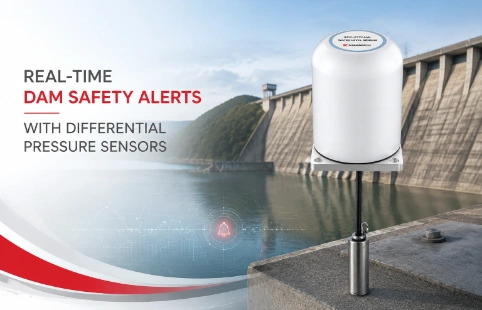
Real-Time Dam Safety Alerts with Differential Pressure Water Level Sensors
Key Takeaways An alert chain needs more than a sensor: define field in...

Custom Automation Chassis for Monitoring Projects
Every remote monitoring site throws its own mix of constraints at you—maybe it’s salt spray on a coastal slope, or rodents looking for a warm spot inside an enclosure. A generic, off-the-shelf chassis often asks you to compromise on cable entries, solar panel mounts, or how neatly your data logger fits. Kingmach approaches this from the other end: we listen to what the site actually demands, then build a custom automation chassis around your sensor string, your chosen logger, and the way your crew likes to access the wiring. Since we manufacture our own geotechnical instruments, we already understand how strain gauges, piezometers, and inclinometers need to interface. That cross-pollination means we rarely start from zero—many internal brackets and terminal layouts are modified from proven designs, which keeps lead times reasonable for a mid-budget project. Weather sealing, vented cable glands, and lockable doors become part of the conversation early, not an afterthought. If you’ve ever had a site visit where a spider web inside the panel shut down a transmitter, you’ll know why those small details matter.
Technical Detail
We see the automation chassis as more than a metal box—it’s the physical platform that keeps your monitoring logic alive across seasons. The process typically starts with a dimensional sketch of the components you plan to house: maybe a Campbell Scientific logger alongside a Meanwell power supply and a fiber optic splice tray. From there, we work out door openings, internal partitions, and gland plate locations that make field wiring less of a wrestling match. Material choice is driven by site conditions. Powder-coated carbon steel works for many inland projects, while 316 stainless gets the nod for marine or high-chloride environments. We don’t push exotic alloys if you don’t need them—that’s a budget conversation. Panel cutouts for displays, antenna mounts, and vent drains are machined in-house, so you aren’t stuck with whatever the catalog version ships with. Because Kingmach is first a geotechnical instrument maker, our technical support extends beyond the mechanical enclosure. We can help you think through heat dissipation if you’re running a charging circuit for a lead-acid battery in full sun, or recommend cable entry positions that minimize condensation paths. We’ve found that many integrators waste days drilling extra holes in standard boxes because nobody asked about their exact cable diameters upfront. Our global distribution also means you aren’t locked into one shipping route—if a project in Indonesia needs six chassis, we can often stage inventory through a partner in the region. That mix of practical design iteration and logistics awareness comes from years of serving monitoring consultants who aren’t just buying hardware, but an uptime guarantee.
News
Key Takeaways An alert chain needs more than a sensor: define field in...
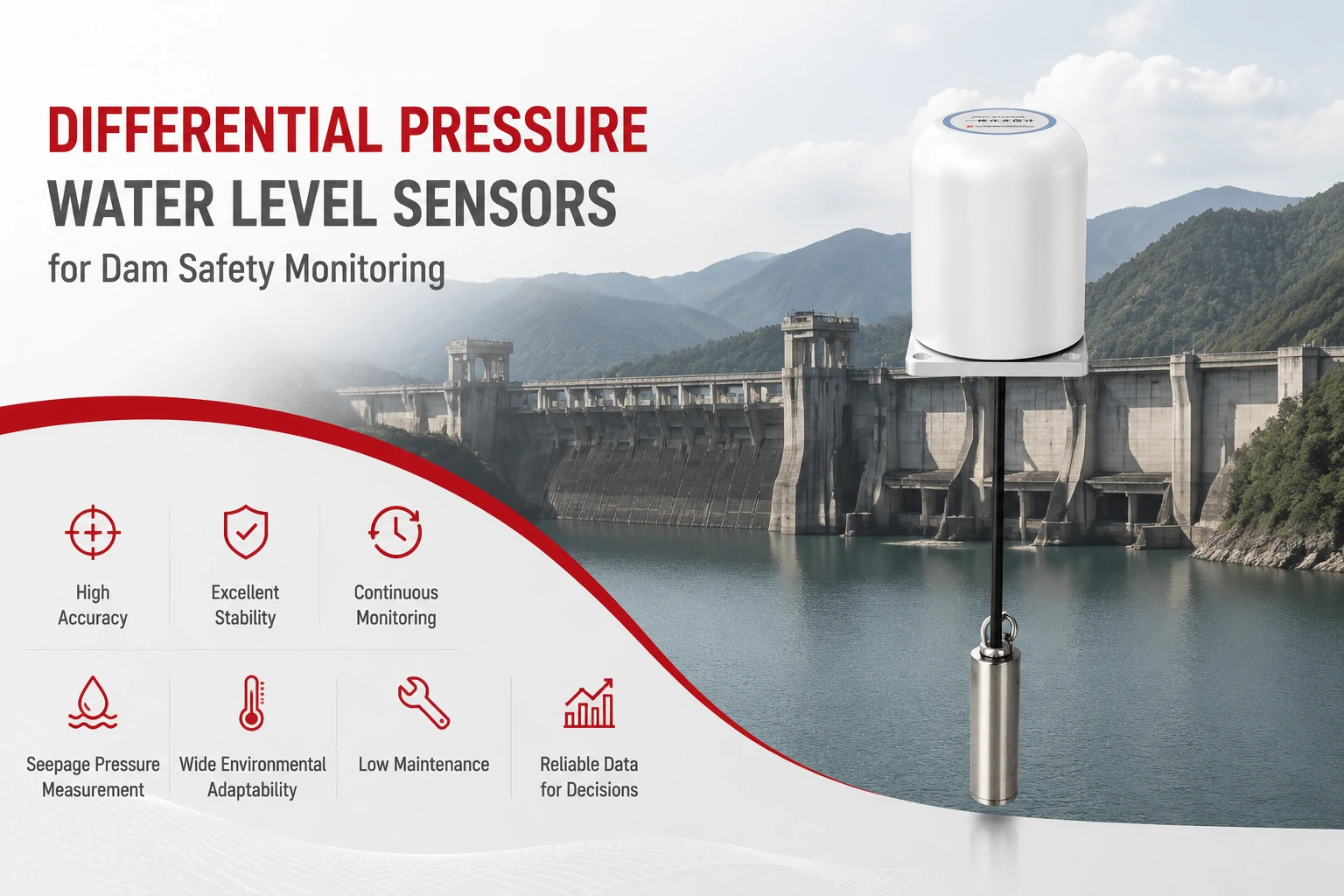
Key Takeaways The strongest fit is usually a confined, submerged, or s...
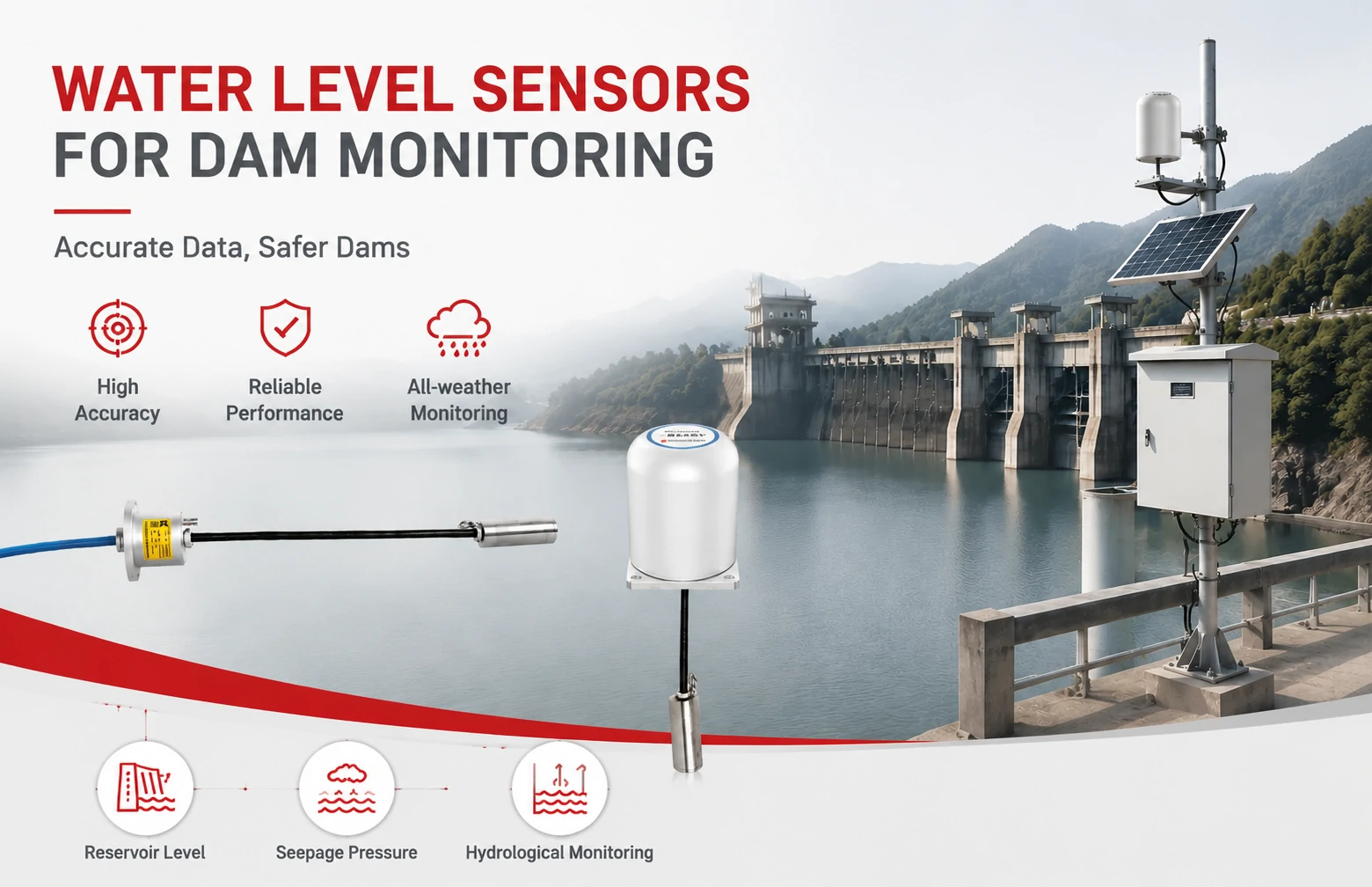
Kingmach Water Level Sensors for Dam Monitoring: A Buyer's Guide to Differential Pre...
Products
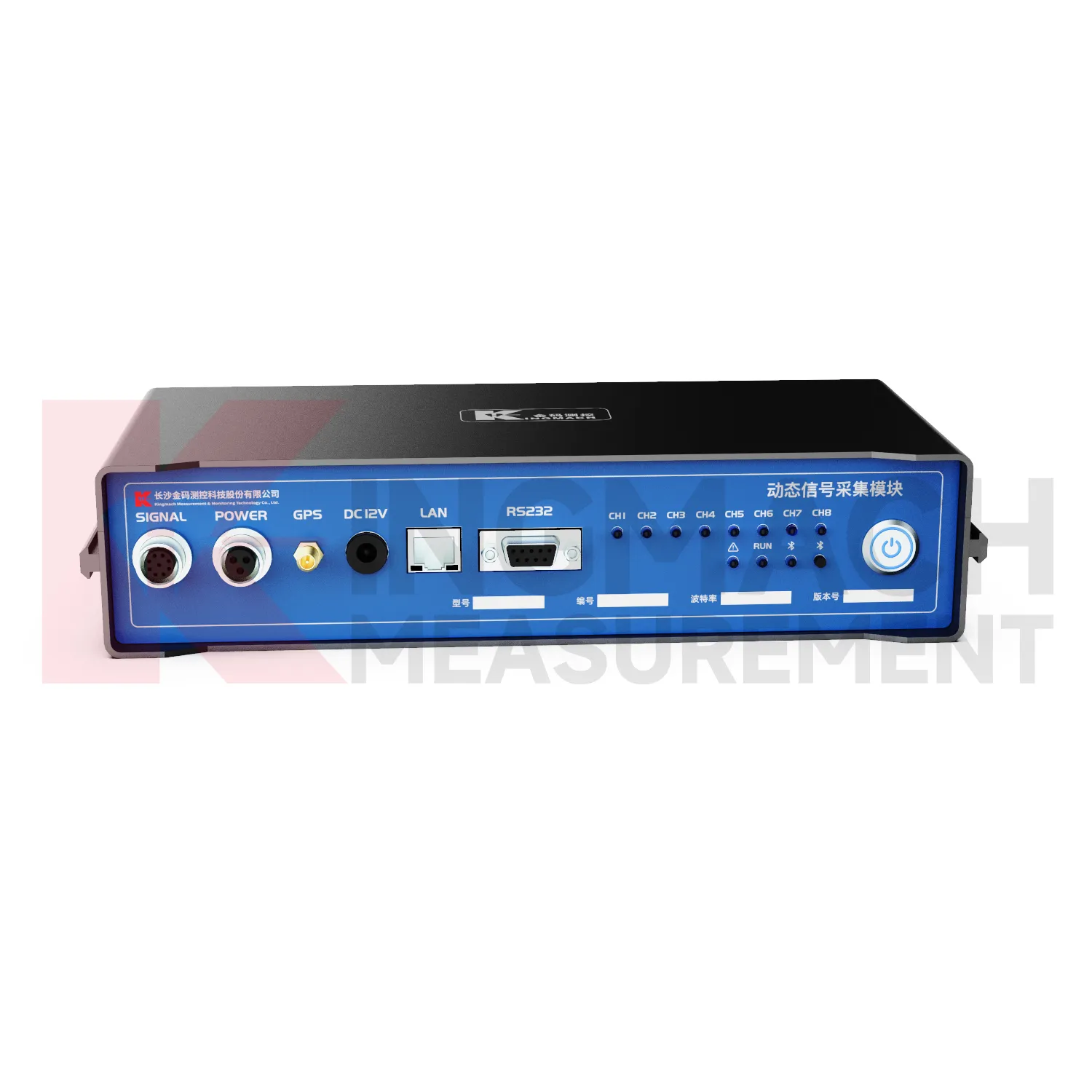
Dynamic signal acquisition module JMYD-1008XC
View Details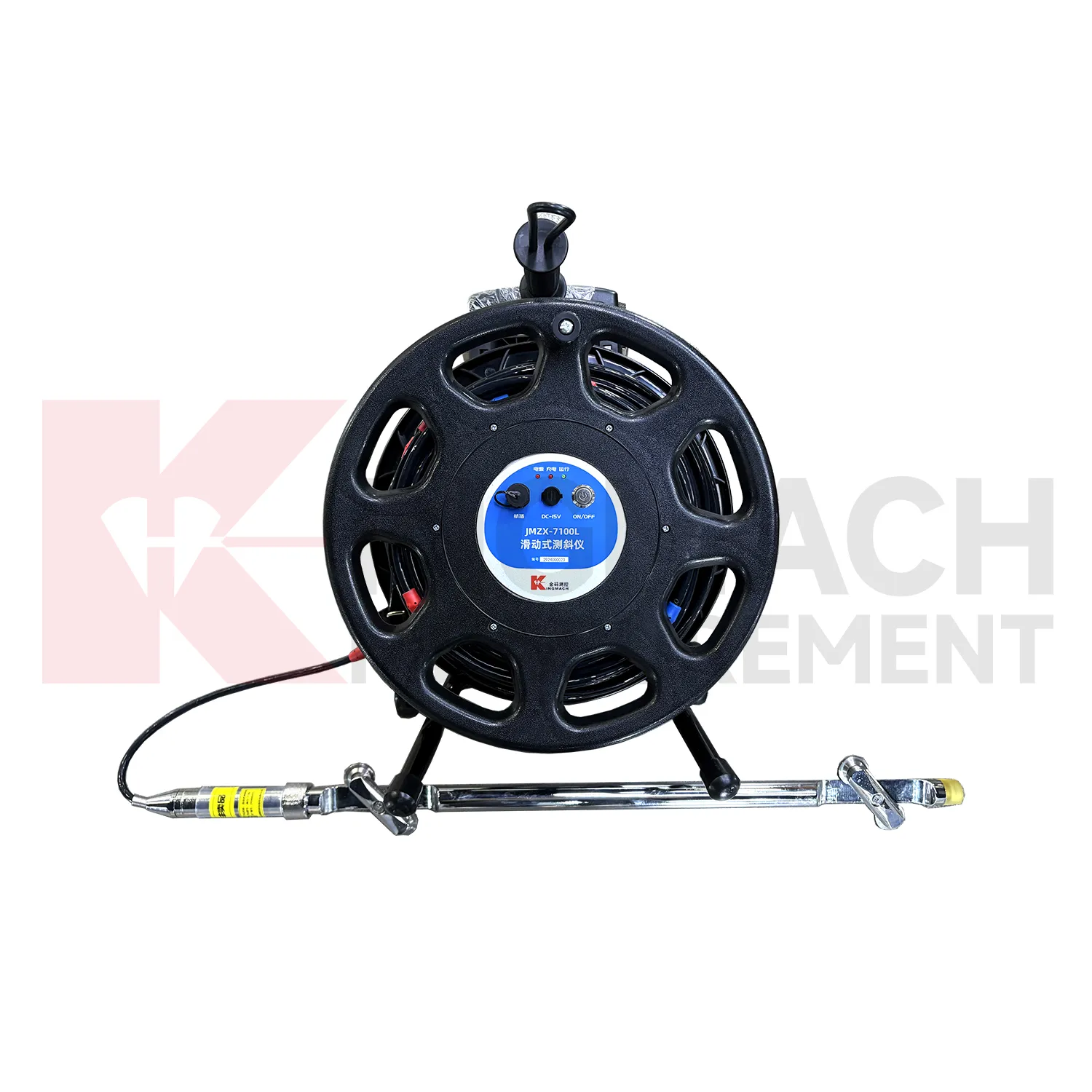
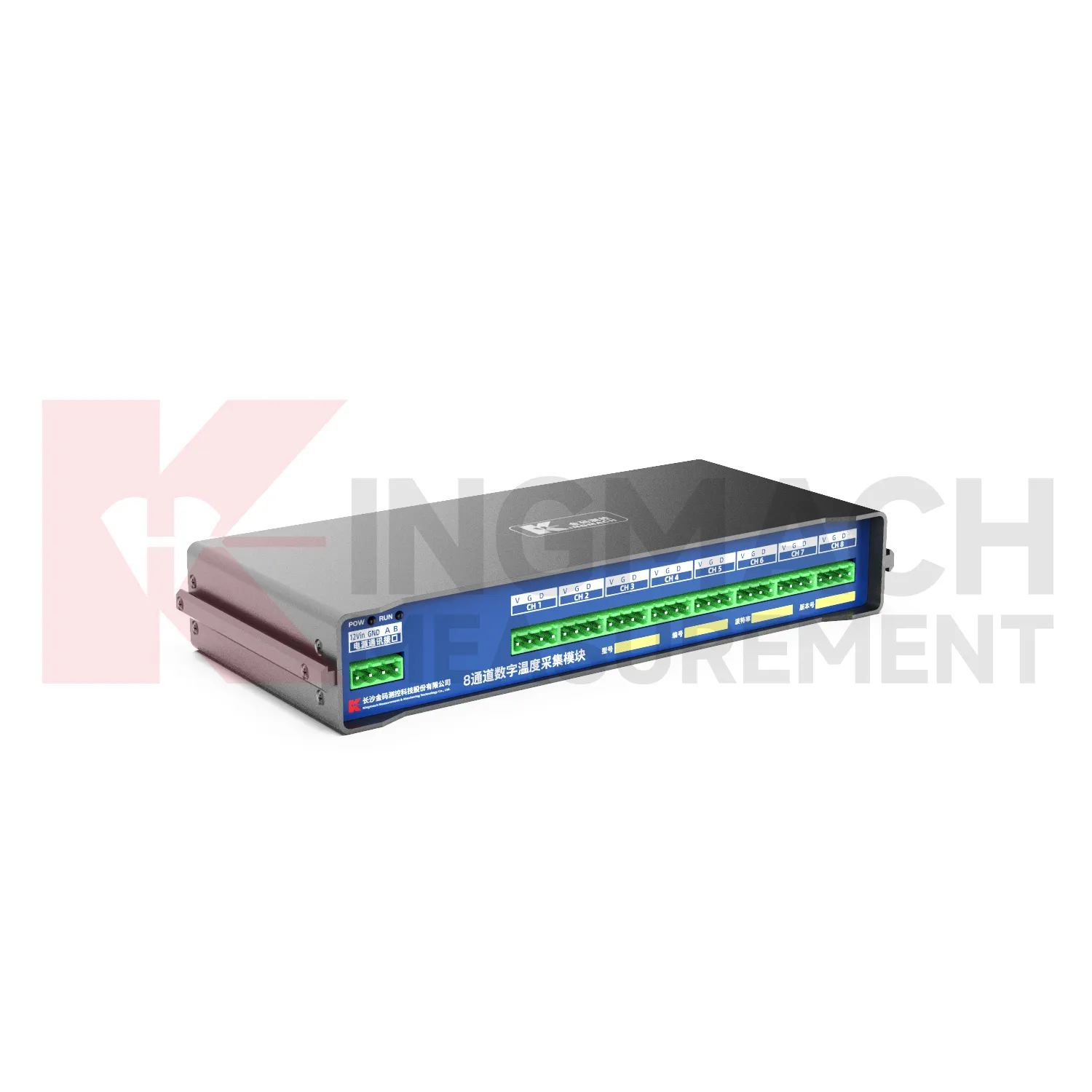
8-Channel Digital Temperature Acquisition ModuleJMWT-8DTH
View DetailsFAQ
It depends on the specification we agree on together. For most geotechnical monitoring, we target an IP65 or better seal, with continuous hinges and foam-in-place gaskets. If the site is on a coastal cliff, we’ll suggest a stainless steel body and load the gland plate with high-nickel cable connectors. Temperature range is also up for discussion—we’ve done chassis with sunshields and insulating layers for desert deployments where internal electronics can’t exceed 50°C.
You can absolutely mix components from different suppliers. In fact, that’s the more common request. We regularly mount third-party data loggers, modems, and battery chargers. What we bring is a solid understanding of how geotechnical sensors terminate, so we can lay out the terminal strips and internal wiring channels in a way that doesn’t become a spaghetti mess after the first maintenance visit.
That’s driven by three things: how quickly you confirm the layout, the material availability, and the production queue at the time you order. A straightforward project without complex machining often ships within a few weeks once the design is locked. We’ll give you a realistic window after looking at the initial sketch—nobody benefits from a rushed promise that gets broken.
Yes, we’ve built many chassis with a tilted top canopy that both acts as a sun shield and holds a solar panel. We pay attention to the angle based on the site latitude, and we route the cable entry through a sealed gland directly under the panel, so there’s no exposed conduit for birds to perch on.
We’ve been doing international distribution for years. If you have a multi-country rollout, we can package the chassis with kit-of-parts instructions that reflect local electrical standards, and we can ship to one consolidation point or split the order. Our after-sales support doesn’t vanish once the container leaves the factory.
Share your product type, target capacity, and application requirements. Our team can review the details and recommend a practical next step.
Related Keywords
If you are interested in our products or want to become our partner.
Please leave your contact information, our team will contact you as soon as possible.
Mail: [email protected]
Contact Us: +8613808434127
Address: No. 188 Tongzipo West Rd, Changsha, Hunan, China