
 EN
EN
 ar
ar bg
bg hr
hr cs
cs da
da nl
nl fi
fi fr
fr de
de el
el hi
hi it
it ko
ko no
no pl
pl pt
pt ro
ro ru
ru es
es sv
sv tl
tl iw
iw id
id lv
lv lt
lt sr
sr sk
sk sl
sl uk
uk vi
vi et
et hu
hu th
th tr
tr fa
fa ms
ms hy
hy ka
ka ur
ur bn
bn mn
mn ta
ta kk
kk uz
uz ku
ku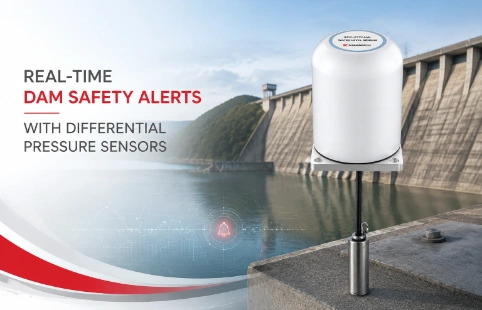
Real-Time Dam Safety Alerts with Differential Pressure Water Level Sensors
Key Takeaways An alert chain needs more than a sensor: define field in...

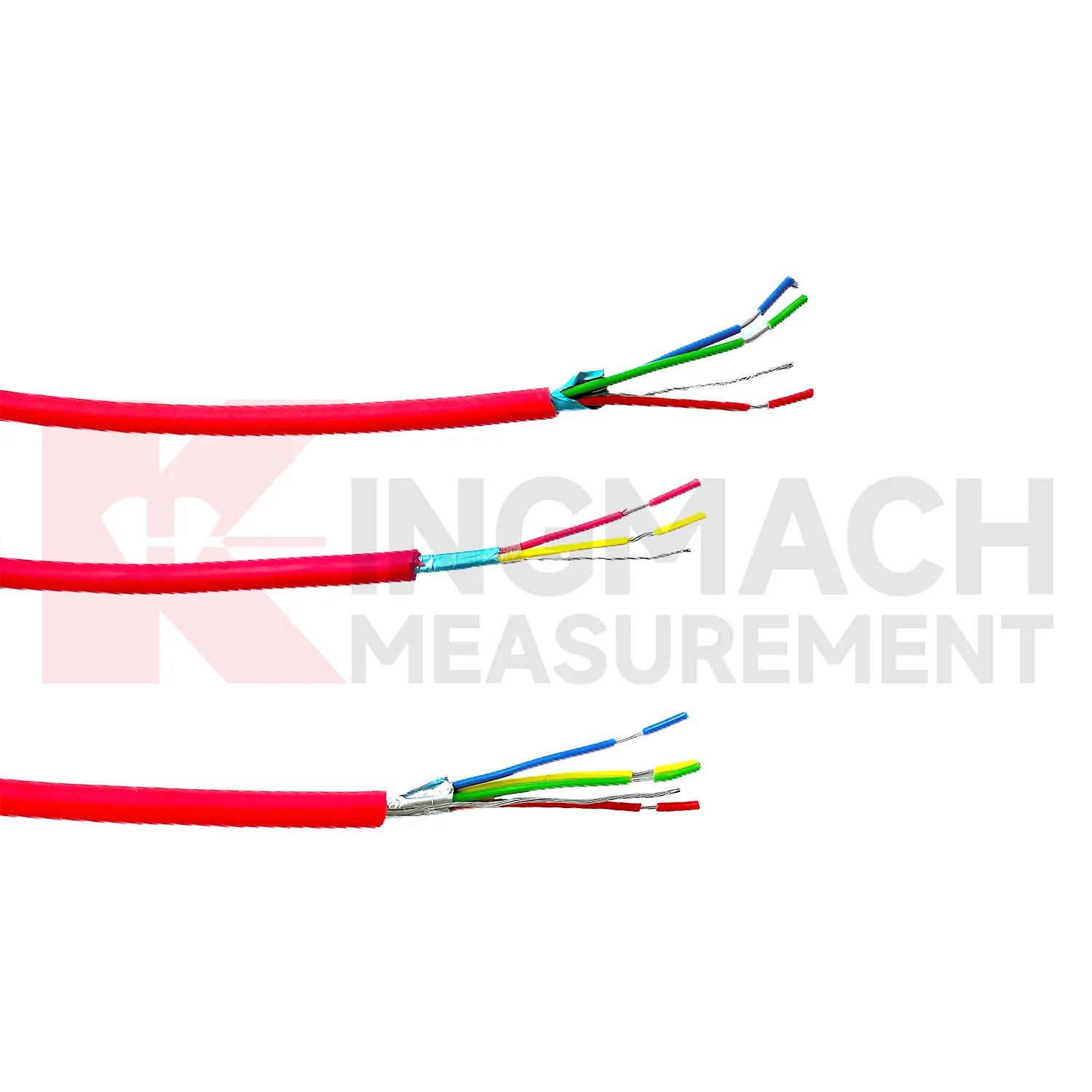
Corrosion-Resistant Hydrological Cables That Last
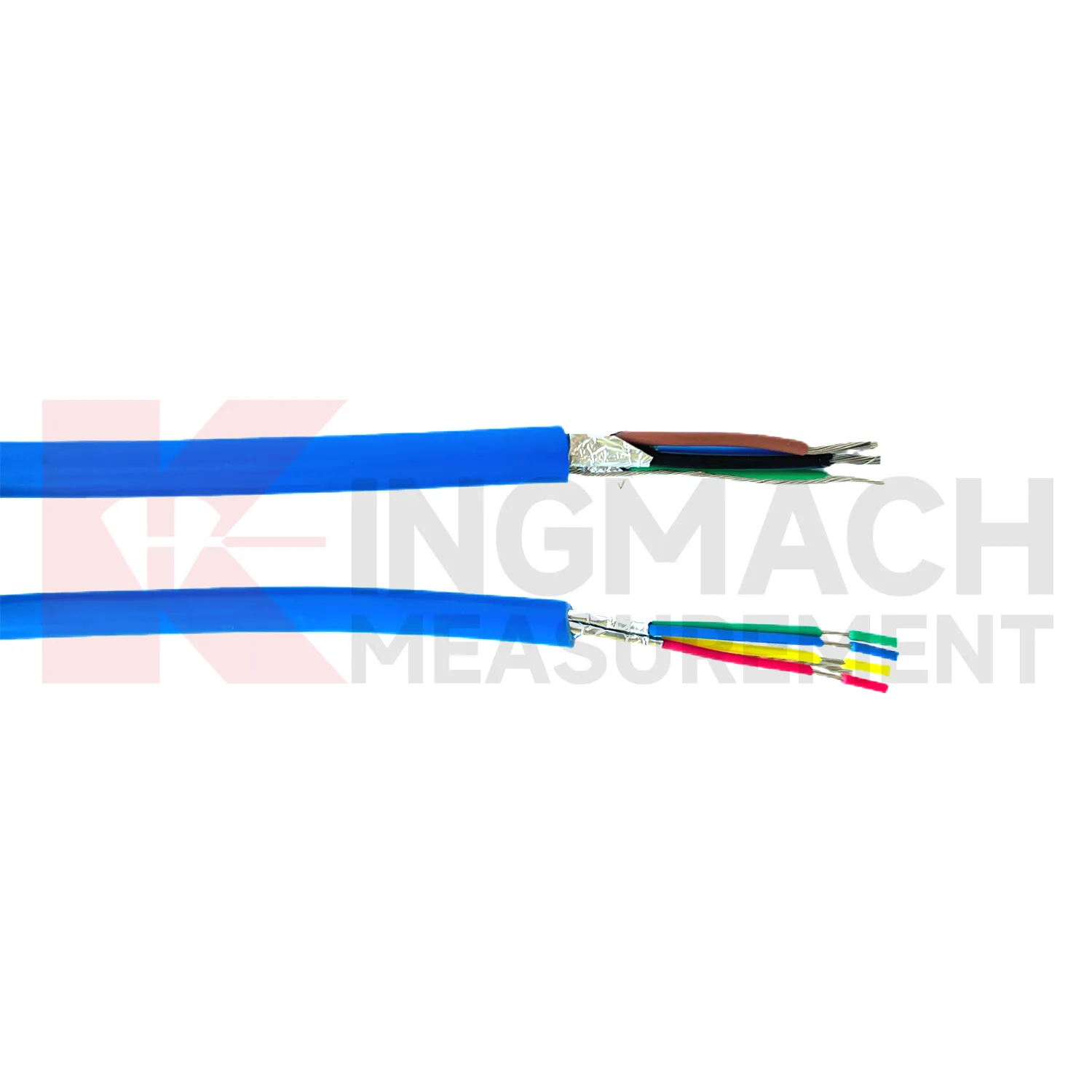
Long-term water monitoring projects eat ordinary cables alive. Moisture creeps in, conductors corrode, and data goes unreliable just when you need it most. Corrosion-resistant hydrological cables from Kingmach tackle that headache head-on. Our engineers design these cables to survive constant submersion, aggressive water chemistry, and temperature swings without sacrificing signal integrity. Whether you’re tracking groundwater levels, measuring stream flow, or monitoring reservoir health, a cable that holds up means fewer field replacements and cleaner data. We don’t sell miracles – we build cables with the right jacket materials and corrosion-proofed conductors so you can focus on the science, not the wiring. Every project gets a custom look: length, connector type, and jacket composition matched to your site conditions.
Technical Detail
Corrosion-resistant hydrological cables from Kingmach fill a gap that standard instrumentation cables can’t cover. When water quality sensors, pressure transducers, or data loggers sit in a well or river for months, the wrong cable turns into a weak link. Our cables use materials deliberately chosen to resist attack – think polyethylene jackets that shrug off hydrolysis, tinned copper conductors that hold up in dampness, and molded sealing points that block moisture ingress at the sensor connection. There’s no magic formula, just practical choices informed by years of geotechnical monitoring. Kingmach operates a wide manufacturing scope, so we often combine cable and sensor orders for a one-stop delivery. Custom lengths come standard because no two boreholes are alike. If a project demands a specific breaking strength or outer diameter, we adapt the construction accordingly. Dealers and technical teams in our global distribution network stock common variants, cutting lead times for urgent deployments. Beyond the cable itself, we include documentation on resistance values and expected lifespan under typical exposure, so you can plan maintenance realistically. After-sales support covers installation advice and troubleshooting if readings drift – often a cable issue, not a sensor fault. Count on a product built for reliable long-term data, not a glossy datasheet claim.
News
Key Takeaways An alert chain needs more than a sensor: define field in...
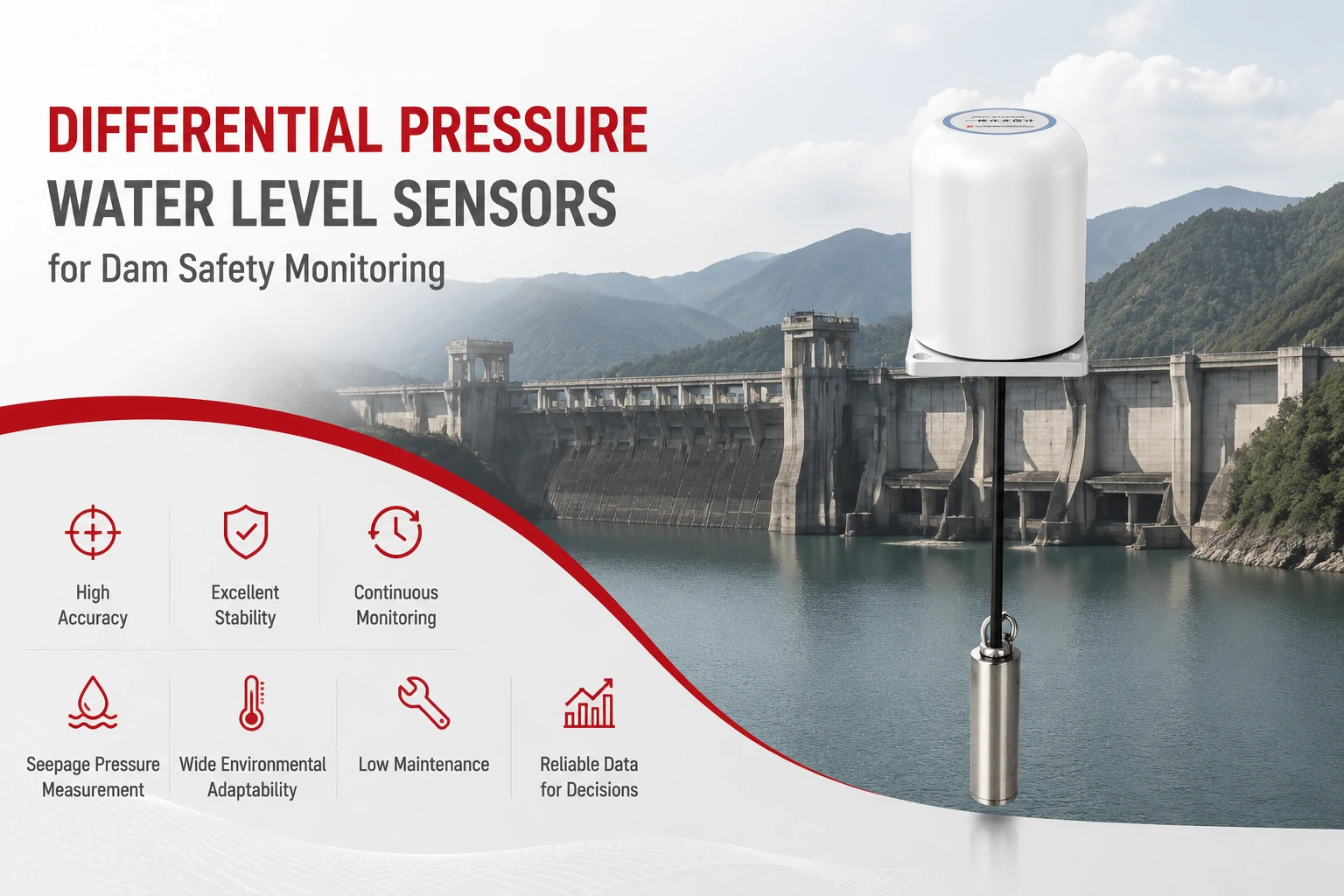
Key Takeaways The strongest fit is usually a confined, submerged, or s...
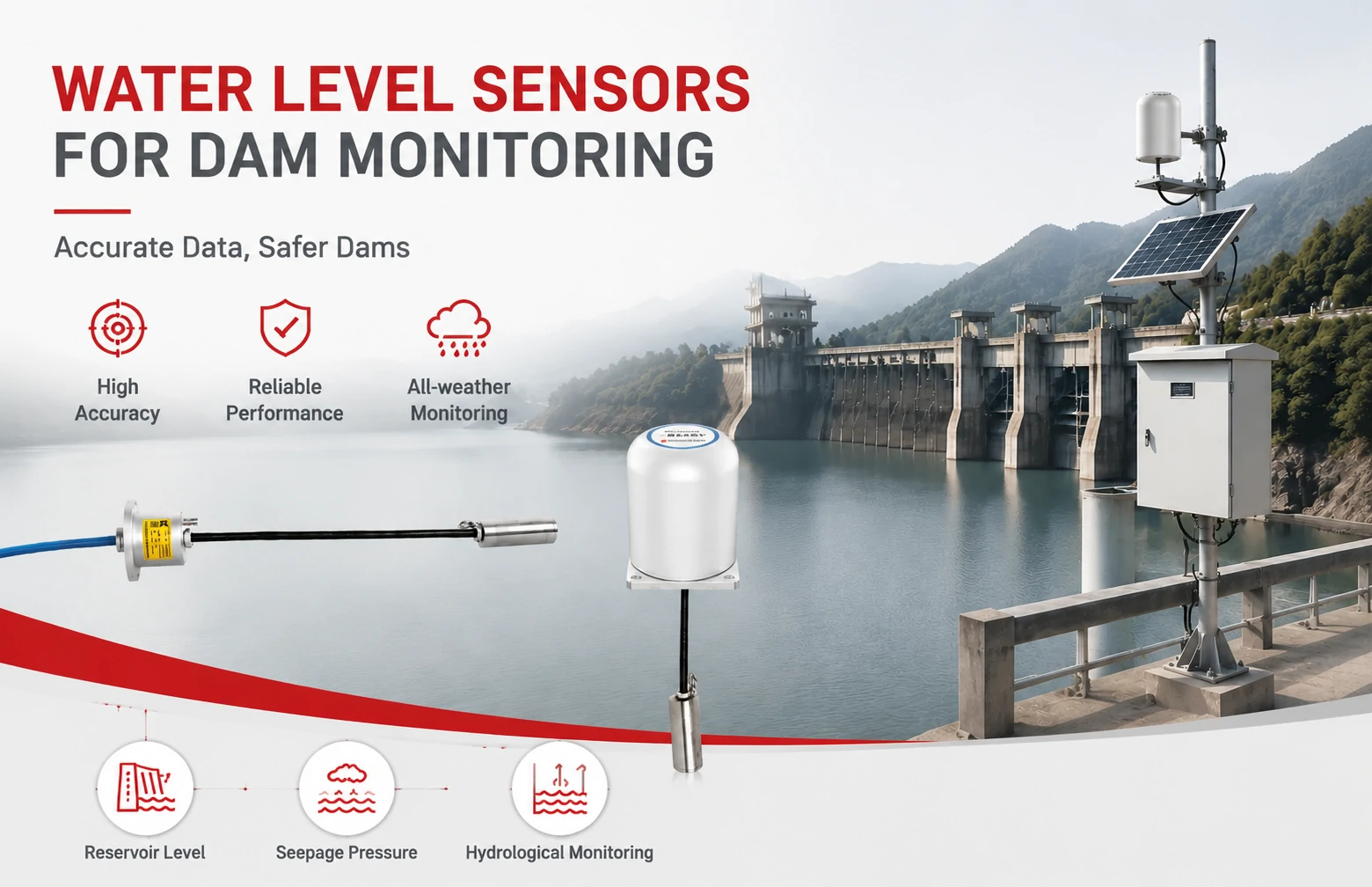
Kingmach Water Level Sensors for Dam Monitoring: A Buyer's Guide to Differential Pre...
Products
FAQ
We don’t guess – we test. Jacket materials like polyethylene or polyurethane are selected for low water absorption and chemical stability. Conductors are typically tinned copper to slow galvanic corrosion. The key is avoiding cheap PVC compounds that plasticize in water. Tell us your water chemistry and expected immersion period, and we’ll recommend a proven build. We’ve seen these cables perform reliably in monitoring wells for over five years with no conductor failure.
Yes, that’s standard practice. We attach and seal the connector at the factory so the cable-to-sensor junction is protected from the start. Common connectors include 4-pin and 6-pin circular types for water level sensors. If you’re using a third-party sensor, we can check compatibility and pot the connection with our own sealing technique to prevent moisture wicking.
Lengths run from a few meters up to 500 meters in one piece. Shorter orders from stock go out within a week. Custom lengths above 100 meters usually need 2-3 weeks for production and curing of sealing joints. We batch orders frequently for hydrology customers, so timing is predictable.
The jacket material dictates temperature range. Our standard polyethylene jacket handles -40°C to 80°C without cracking or softening. In direct tropical sun, we sometimes add carbon black for UV resistance. If your site sees continuous high temperatures, we can discuss alternative jacket materials like TPE that maintain flexibility.
Very often, yes. Moisture migration inside the cable or connector can create stray currents that confuse sensitive sensors. Before blaming the sensor, try a loop resistance test on the cable. If values are unstable, moisture has likely penetrated. Our support team can help you diagnose the issue and, if the cable is at fault, we’ll suggest a replacement with better sealing for your conditions.
Share your product type, target capacity, and application requirements. Our team can review the details and recommend a practical next step.
If you are interested in our products or want to become our partner.
Please leave your contact information, our team will contact you as soon as possible.
Mail: [email protected]
Contact Us: +8613808434127
Address: No. 188 Tongzipo West Rd, Changsha, Hunan, China