
 EN
EN
 ar
ar bg
bg hr
hr cs
cs da
da nl
nl fi
fi fr
fr de
de el
el hi
hi it
it ko
ko no
no pl
pl pt
pt ro
ro ru
ru es
es sv
sv tl
tl iw
iw id
id lv
lv lt
lt sr
sr sk
sk sl
sl uk
uk vi
vi et
et hu
hu th
th tr
tr fa
fa ms
ms hy
hy ka
ka ur
ur bn
bn mn
mn ta
ta kk
kk uz
uz ku
ku
mems accelerometer working principle
Single-direction acceleration measurement is useful when the project already knows the main movement direction. In ground pulsation, flexible structures, bridge safety testing, and low-frequency vibration work, a focused measurement axis can give a clean record without unnecessary complexity. Kingmach acceleration equipment can support weak vibration, low-frequency behavior, and large-amplitude movement in flexible structures when the monitoring plan is built around those needs. It is especially relevant when the team wants to monitor one dominant response direction over time. The field record should keep axis direction, mounting face, event timing, and acquisition settings together so the resulting waveform is tied to a real structural question. If the point is moved or the axis is changed, that change must be visible in the record. Otherwise, a later reviewer may compare data that no longer represents the same direction or surface.
A useful dynamic record needs both signal quality and site context. Mounting condition, axis direction, cable stability, acquisition timing, and event labeling all affect whether the data can support an engineering decision after review.
During interpretation, the team should compare the motion with nearby strain, displacement, tilt, load, wind, temperature, traffic, machinery, or construction notes. That wider view helps separate normal response from a pattern that needs inspection.
If the reading changes suddenly, the first check should include the sensor attachment, cable route, connector, channel name, and recent field activity. This prevents a maintenance issue from being mistaken for structural behavior.
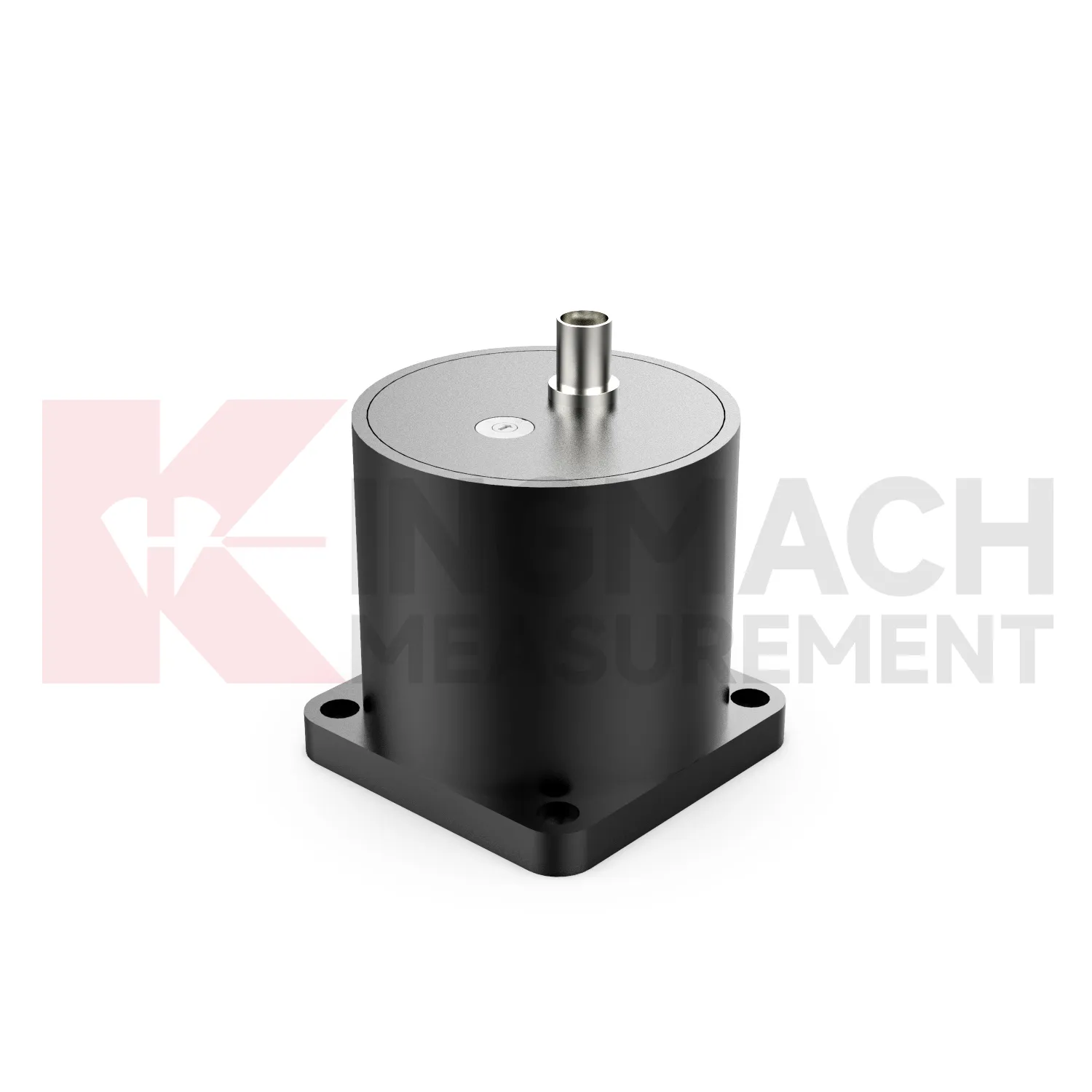
Application of mems accelerometer working principle
Building vibration monitoring uses Kingmach mems accelerometer working principle when occupants, equipment, nearby construction, traffic, or structural flexibility create motion that needs a measured record. The task may involve a floor, column, machine base, roof structure, or adjacent building. Acceleration data helps determine whether the motion is occasional, continuous, low-frequency, impact-related, or tied to a specific operating condition. A useful building record includes sensor location, mounting method, axis direction, activity during measurement, and related crack or settlement observations. This makes the result understandable to engineers, owners, and maintenance teams. It also helps separate comfort concerns from structural concerns. A floor that vibrates during machine operation may need a different response from a wall that moves during excavation nearby.
In occupied buildings, the review should connect measured motion with time of day, equipment schedules, tenant reports, nearby road activity, and any construction work. This human and operational context helps explain why a vibration is noticed, when it occurs, and whether it repeats under the same conditions.
The field team should also keep the point discreet but verifiable. A sensor hidden from accidental contact still needs a clear photo, point name, and axis record. That balance protects the device while giving engineers enough information to compare future measurements.

The future of mems accelerometer working principle
Future Kingmach mems accelerometer working principle will make low-frequency monitoring more practical for flexible structures and ground-motion work. Slow dynamic movement can be difficult to capture and easy to confuse with background conditions. Better acquisition planning, event labeling, and review tools will help engineers separate weak structural response from noise. That capability supports bridges, tall structures, ground pulsation, and seismic stations. The aim is not to flood dashboards with raw traces, but to preserve the meaningful parts of the motion record. Good reporting will show whether a weak signal is repeating, growing, or tied to a known site condition.
Weak-vibration review should include nearby walking, wind, traffic, equipment start-up, and construction activity because these sources can influence the trace. People walking nearby, wind, traffic, equipment start-up, and construction work can all influence the trace, so the field note should capture what was happening around the point.
For high-risk assets, inspection timing should follow events as well as calendar dates. After impact, blasting, severe weather, unusual vibration, or equipment maintenance, the sensor and the data path both deserve a quick check.

Care & Maintenance of mems accelerometer working principle
Replacement of Kingmach mems accelerometer working principle components should be visible in the monitoring record. When a sensor, cable, connector, bracket, acquisition channel, or software setting changes, record the date, reason, old point condition, new point condition, and first stable test. Do not hide replacement by forcing the new record to look continuous without explanation. Future reviewers need to know whether a change in vibration came from the structure or from maintenance. A clear replacement note protects the long-term data story. It also makes handover easier when a new team takes responsibility for the monitoring system.
Weak-vibration review should include nearby walking, wind, traffic, equipment start-up, and construction activity because these sources can influence the trace. People walking nearby, wind, traffic, equipment start-up, and construction work can all influence the trace, so the field note should capture what was happening around the point.
For high-risk assets, inspection timing should follow events as well as calendar dates. After impact, blasting, severe weather, unusual vibration, or equipment maintenance, the sensor and the data path both deserve a quick check.
Kingmach mems accelerometer working principle
Kingmach mems accelerometer working principle also support weak-vibration work, where small movement can be hard to separate from noise. Ground pulsation, flexible structures, quiet machinery areas, and low-frequency building response all require stable installation and careful data review. Anti-interference performance and proper acquisition settings help, while site discipline keeps the record easier to interpret. The engineer should know what nearby equipment was running, whether construction was active, and whether wind, traffic, or people were present during the record. Weak signals become useful when the background conditions are documented. Repeated patterns under similar conditions carry more meaning than a single unexplained spike.
Weak-vibration records should be treated patiently. A quiet trace may still be useful because it defines the normal background for the point. When a later event appears, the team can compare it with that calm record and decide whether the change is real.
Field notes are especially important at this sensitivity level. Foot traffic, small equipment, doors, temporary pumps, or nearby vehicles can influence a trace. Recording those conditions keeps the review honest and prevents ordinary background activity from being mistaken for structural change.
FAQ
Q: How do Kingmach mems accelerometer working principle fit into a monitoring platform?
A: They provide the dynamic response layer alongside displacement, settlement, strain, load, tilt, environmental, and inspection data.
Q: What should a buyer define before ordering?
A: Define the motion to capture, structure type, location, axis direction, acquisition method, analysis need, and maintenance access.
Q: Do all projects need three-direction measurement?
A: No. Some need a focused direction, while others need multi-direction records because the movement source is uncertain.
Q: Why is low-frequency response important?
A: Ground pulsation, flexible structures, and slow dynamic movement may require sensors and acquisition settings suited to low-frequency behavior.
Q: What makes long-term acceleration data useful?
A: Stable installation, clear event records, consistent analysis, visible maintenance notes, and comparison with related sensors make it useful.
For owner handover, the file should include point photos, axis labels, acquisition settings, related structural channels, and examples of normal behavior. That helps future reviewers understand whether a later event is unusual.
Reviews
James Thompson
The tiltmeters and accelerometers are very sensitive and provide precise data. Perfect for our structural health monitoring system.
David Wilson
We purchased displacement transducers and settlement sensors, and the quality exceeded our expectations. Easy installation and reliable performance.
Latest Inquiries
To protect the privacy of our buyers, only public service email domains like Gmail, Yahoo, and MSN will be displayed. Additionally, only a limited portion of the inquiry content will be shown.
Sophia***@gmail.comUnited Kingdom
Good day, we need environmental monitoring sensors including temperature, humidity, and wind sensors...
Evelyn***@gmail.comSouth Africa
Hi, we are a contractor working on tunnel construction and need settlement sensors and displacement ...