
 EN
EN
 ar
ar bg
bg hr
hr cs
cs da
da nl
nl fi
fi fr
fr de
de el
el hi
hi it
it ko
ko no
no pl
pl pt
pt ro
ro ru
ru es
es sv
sv tl
tl iw
iw id
id lv
lv lt
lt sr
sr sk
sk sl
sl uk
uk vi
vi et
et hu
hu th
th tr
tr fa
fa ms
ms hy
hy ka
ka ur
ur bn
bn mn
mn ta
ta kk
kk uz
uz ku
ku
accelerometer sensor for vibration measurement
The interpretation of Kingmach accelerometer sensor for vibration measurement data should avoid treating every vibration as a defect. Structures move under traffic, wind, machine operation, trains, construction activity, and environmental change. The question is whether the motion is expected, growing, sudden, repeated, or tied to a specific event. Acceleration records should therefore be reviewed with strain, displacement, tilt, load, environmental data, and inspection notes when those records are available. This wider review helps engineers avoid both overreaction and missed warning signs. A vibration spike during known work may require documentation; the same spike during quiet operation may require inspection. The distinction comes from context. Dynamic monitoring becomes most useful when it supports judgment rather than replacing it.
Dynamic data can be sensitive to small field changes. A new bracket, nearby machine, temporary work platform, changed cable route, or software update can alter the record, so those changes belong in the maintenance history.
For owner handover, the file should include point photos, axis labels, acquisition settings, related structural channels, and examples of normal behavior. That helps future reviewers understand whether a later event is unusual.
Weak-vibration review should include nearby walking, wind, traffic, equipment start-up, and construction activity because these sources can influence the trace. People walking nearby, wind, traffic, equipment start-up, and construction work can all influence the trace, so the field note should capture what was happening around the point.
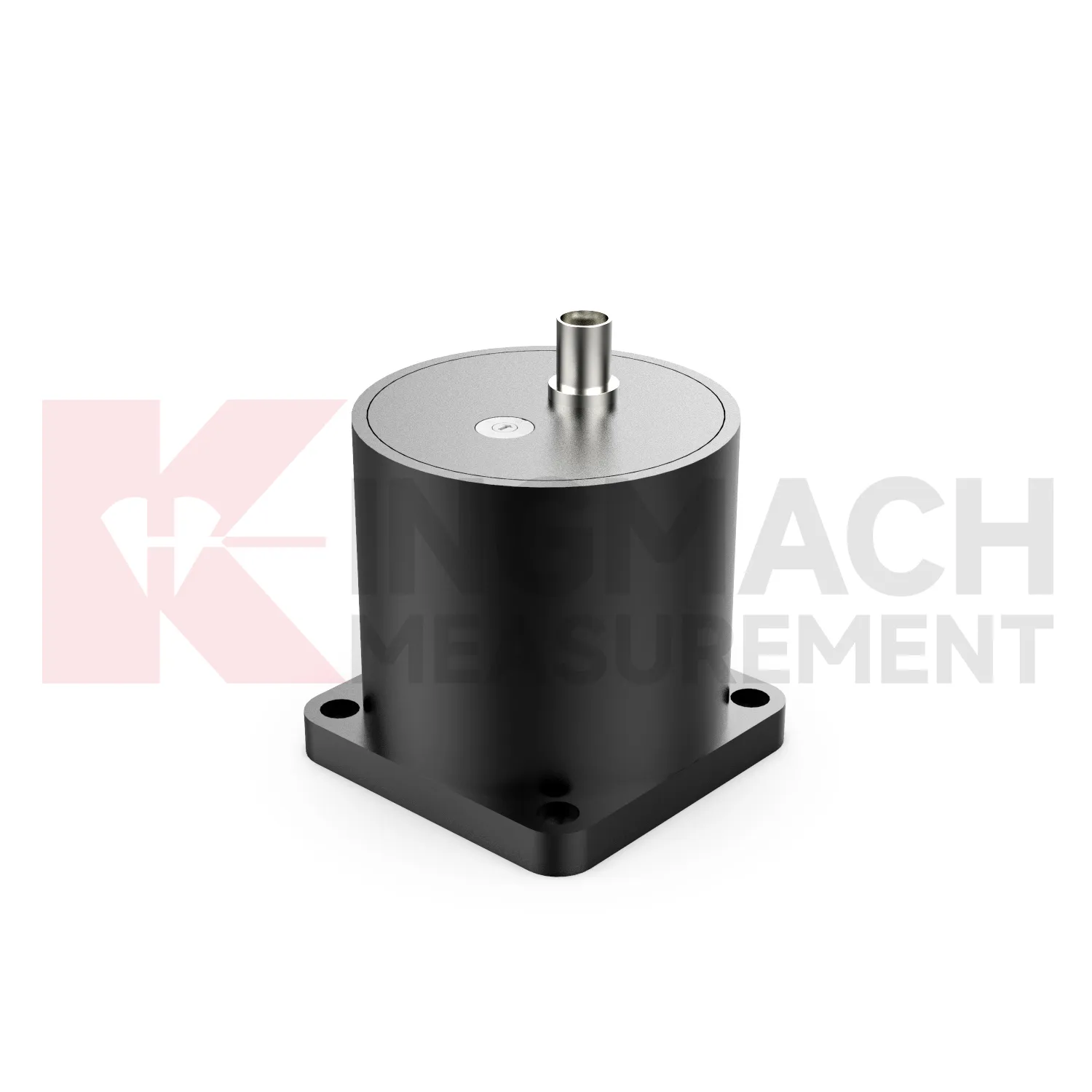
Application of accelerometer sensor for vibration measurement
Wind towers and tall structures use Kingmach accelerometer sensor for vibration measurement to observe motion caused by wind, equipment, foundation behavior, or operating cycles. Acceleration data can be reviewed with wind speed, tilt, strain, and foundation settlement to see whether the structure is responding normally. Mounting must be secure because a loose sensor can exaggerate motion. The axis direction should match the structure geometry, and the record should note wind or operating conditions during measurement. This approach turns tower movement into a traceable engineering record. Over time, the owner can compare response during similar wind events and identify whether the structure is behaving consistently or starting to change.
A useful dynamic record needs both signal quality and site context. Mounting condition, axis direction, cable stability, acquisition timing, and event labeling all affect whether the data can support an engineering decision after review.
During interpretation, the team should compare the motion with nearby strain, displacement, tilt, load, wind, temperature, traffic, machinery, or construction notes. That wider view helps separate normal response from a pattern that needs inspection.
If the reading changes suddenly, the first check should include the sensor attachment, cable route, connector, channel name, and recent field activity. This prevents a maintenance issue from being mistaken for structural behavior.
Long-term monitoring benefits from repeatable procedure. When the same point, direction, event definition, and analysis method are preserved, new vibration records can be compared with earlier records in a defensible way.
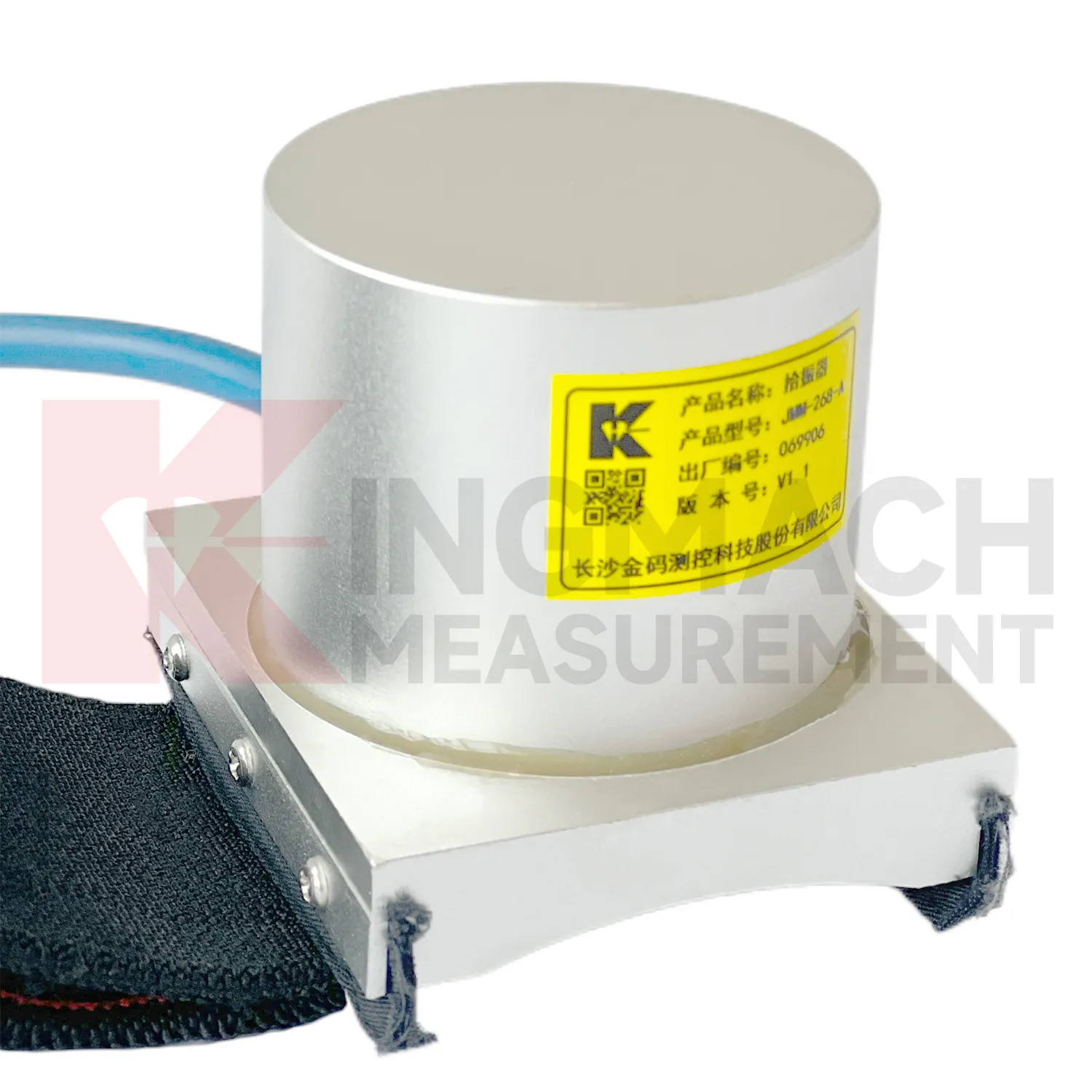
The future of accelerometer sensor for vibration measurement
Future Kingmach accelerometer sensor for vibration measurement will be specified around workflows rather than model names. A project may need continuous vibration monitoring, short event capture, cable force testing, weak ground motion, or machinery response tracking. Each workflow has different needs for mounting, acquisition, analysis, reporting, and maintenance. Workflow-led planning makes the system easier to install and operate because the buyer can connect the monitoring method with the actual asset, event type, and review process. It also makes future maintenance easier because the record already explains why the point exists and how it is used.
Future workflow documents can describe who uses the record and what action follows each event type. A bridge engineer, machinery technician, construction manager, and asset owner may all need different views of the same dynamic measurement. The workflow makes those views predictable.
This approach also improves purchasing discipline. Instead of asking for a device in isolation, the project defines mounting access, event capture, review method, reporting format, maintenance duty, and handover needs before installation begins.
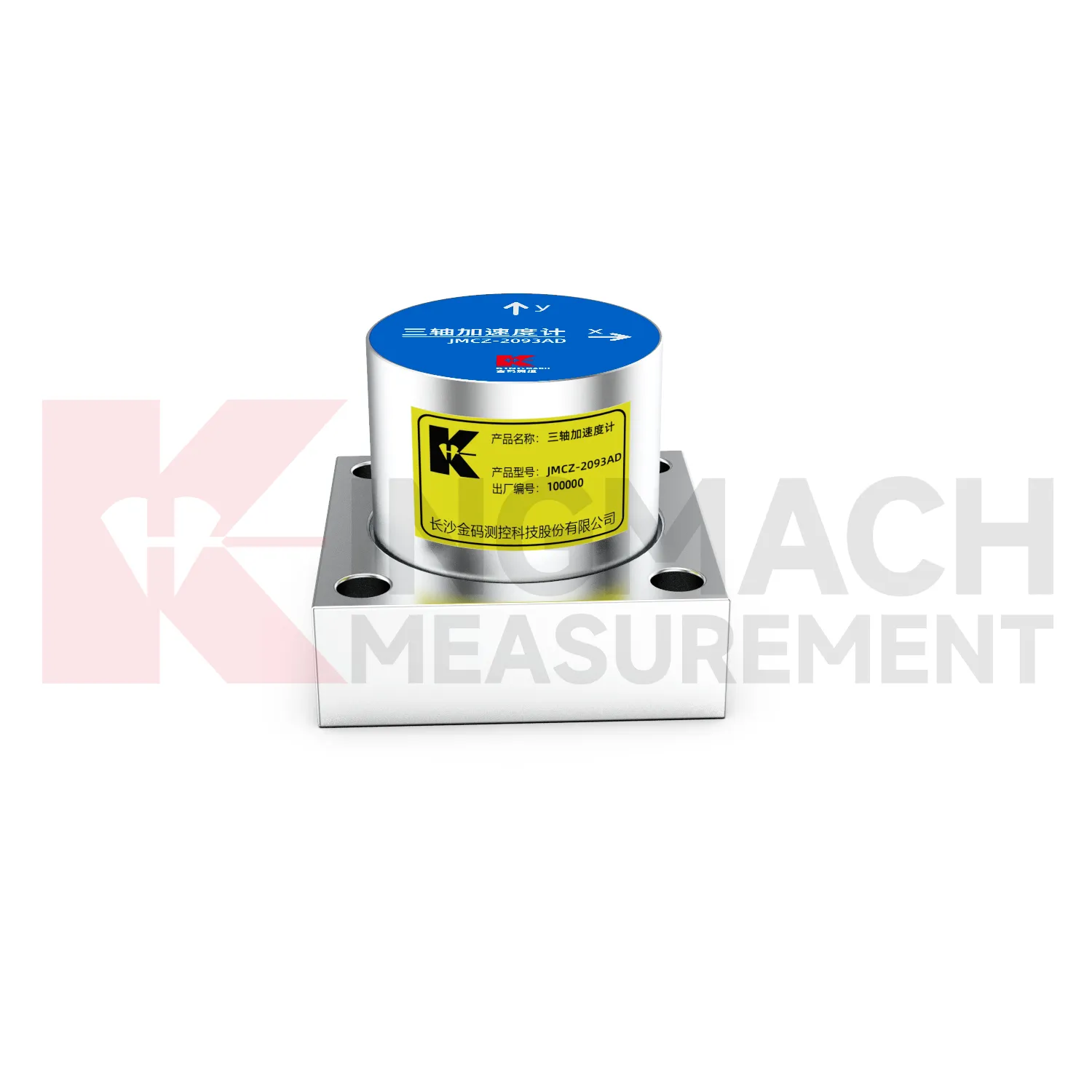
Care & Maintenance of accelerometer sensor for vibration measurement
Acquisition settings for Kingmach accelerometer sensor for vibration measurement should be checked after commissioning and after any platform change. Dynamic monitoring depends on timing, event capture, channel naming, and storage behavior. If the system records too slowly, a short event may be missed. If it stores too little context, the waveform may be hard to interpret. Keep a record of sampling plan, event trigger, analysis method, and related channels. After software updates or cabinet work, run a controlled check so the team knows the system is still capturing motion correctly. Acquisition care protects the investment made in the field installation.
Weak-vibration review should include nearby walking, wind, traffic, equipment start-up, and construction activity because these sources can influence the trace. People walking nearby, wind, traffic, equipment start-up, and construction work can all influence the trace, so the field note should capture what was happening around the point.
For high-risk assets, inspection timing should follow events as well as calendar dates. After impact, blasting, severe weather, unusual vibration, or equipment maintenance, the sensor and the data path both deserve a quick check.
Kingmach accelerometer sensor for vibration measurement
Kingmach accelerometer sensor for vibration measurement are useful because dynamic behavior often appears before visible damage. A bridge cable may change vibration frequency, a building floor may respond to nearby machinery, a tunnel structure may react to blasting, and a flexible structure may move slowly but with large amplitude. Static instruments can show position or strain, but acceleration records show motion. When time history, frequency, and event context are kept together, engineers can compare normal operation with abnormal response. The data becomes stronger when linked with displacement, tilt, load, strain, settlement, wind, temperature, and inspection notes. This wider view helps teams avoid treating every vibration as a fault while still noticing changes that deserve a field check.
If the reading changes suddenly, the first check should include the sensor attachment, cable route, connector, channel name, and recent field activity. This prevents a maintenance issue from being mistaken for structural behavior.
Long-term monitoring benefits from repeatable procedure. When the same point, direction, event definition, and analysis method are preserved, new vibration records can be compared with earlier records in a defensible way.
FAQ
Q: What maintenance do Kingmach accelerometer sensor for vibration measurement need?
A: Check mounting, cable condition, connector sealing, axis label, acquisition status, cabinet condition, and recent site disturbance.
Q: How often should they be inspected?
A: Frequency depends on asset risk, access, vibration level, and whether construction or severe weather is active nearby.
Q: What should be checked after a strong event?
A: Inspect sensor attachment, cable route, cabinet, data completeness, event labels, and related structural readings.
Q: Can software changes affect data?
A: Yes. Platform or acquisition changes can affect channel names, timing, storage, triggers, and analysis settings.
Q: How should replacement be documented?
A: Record old and new equipment, location, reason, date, technician, first test record, and any change to axis or channel name.
Dynamic data can be sensitive to small field changes. A new bracket, nearby machine, temporary work platform, changed cable route, or software update can alter the record, so those changes belong in the maintenance history.
Reviews
Daniel Brown
Excellent environmental monitoring sensors. The data is consistent, and the system integrates smoothly with our existing setup.
Matthew Garcia
Instrumentation cables are durable and perform well even in harsh environments. Will definitely order again.
Latest Inquiries
To protect the privacy of our buyers, only public service email domains like Gmail, Yahoo, and MSN will be displayed. Additionally, only a limited portion of the inquiry content will be shown.
Harper***@gmail.comIndia
Dear Sir, we are planning to procure a complete monitoring system including strain gauges, tiltmeter...
Amelia***@gmail.comSingapore
Hello, I am looking for visualization software for monitoring system data analysis. Please let me kn...