
 EN
 ar
 bg
 hr
 cs
 da
 nl
 fi
 fr
 de
 el
 hi
 it
 ko
 no
 pl
 pt
 ro
 ru
 es
 sv
 tl
 iw
 id
 lv
 lt
 sr
 sk
 sl
 uk
 vi
 et
 hu
 th
 tr
 fa
 ms
 hy
 ka
 ur
 bn
 mn
 ta
 kk
 uz
 ku

accelerometer applications
For seismic and impact-related projects, Kingmach accelerometer applications help capture motion during short, important events. Earthquake activity, blasting, collapse risk, impact, and heavy construction can create signals that must be stored with accurate timing and location. The monitoring plan should make clear which points are critical, how records are triggered, and who reviews the event after it occurs. A sensor that works well in ordinary conditions still needs a data path ready for sudden motion. Dynamic monitoring in this setting is about preparedness, reliable capture, and reviewable evidence. The project record should also preserve field notes, related structural readings, and any inspection result after the event. That is what turns an acceleration trace into useful engineering information.
The report should not leave the waveform isolated. It should explain what the asset was doing, why the point was measured, which event triggered interest, and what follow-up action or observation was made.
Dynamic data can be sensitive to small field changes. A new bracket, nearby machine, temporary work platform, changed cable route, or software update can alter the record, so those changes belong in the maintenance history.
For owner handover, the file should include point photos, axis labels, acquisition settings, related structural channels, and examples of normal behavior. That helps future reviewers understand whether a later event is unusual.
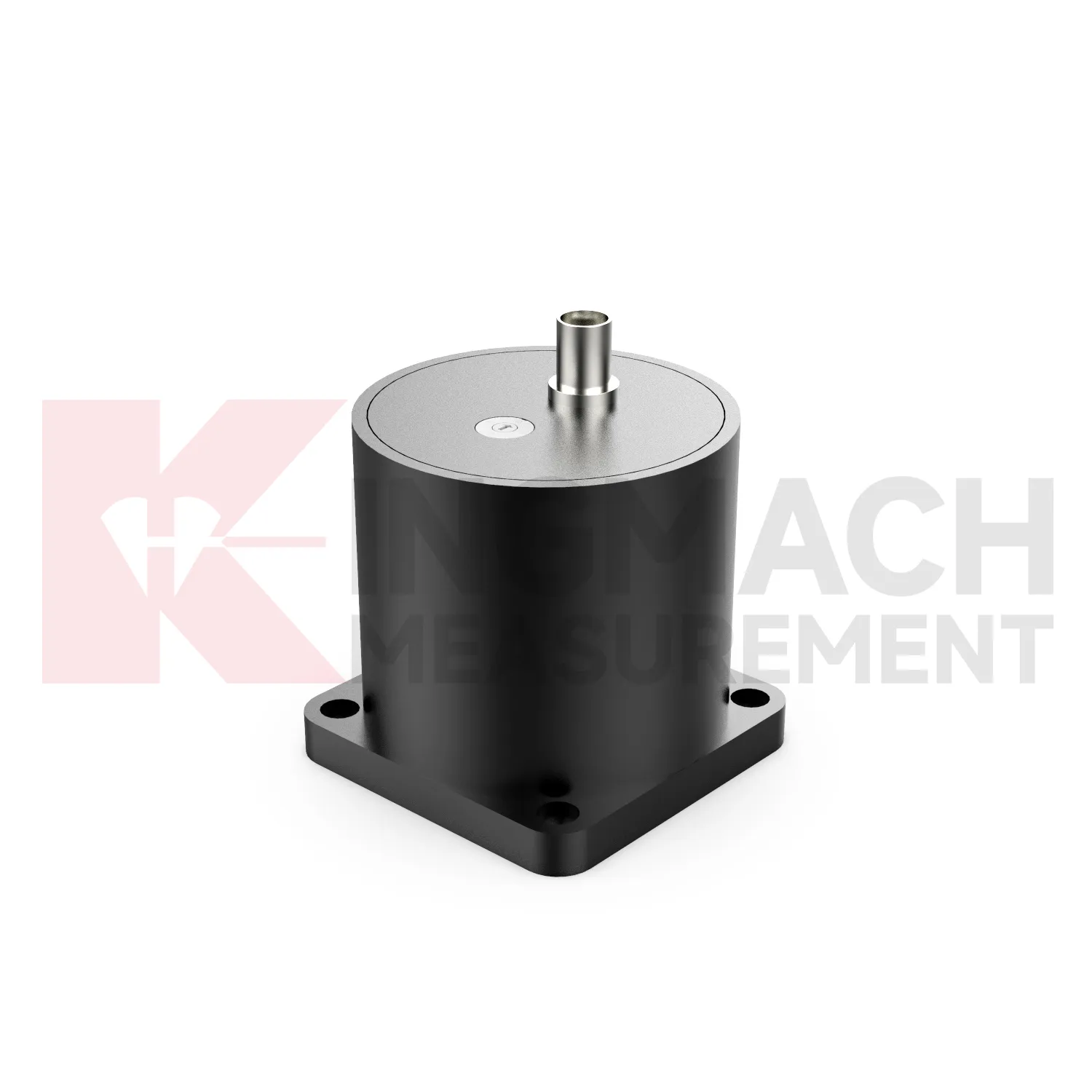
Application of accelerometer applications
Integrated monitoring platforms use Kingmach accelerometer applications as the dynamic response layer beside settlement, displacement, tilt, strain, load, and environmental records. A sudden vibration event can be understood better when other sensors show whether the structure also moved, strained, tilted, or experienced wind or temperature changes. Platform setup should define point names, axes, event tags, alarm review, and related channels. This prevents acceleration data from becoming isolated. Dynamic monitoring works best when it is connected to the wider story of the asset. During a review, the engineer should be able to see the event, the motion, the related structural response, and the inspection note in one workflow.
Platform integration should also separate raw traces from summary views. Engineers may need detailed waveforms and frequency behavior, while owners may need event time, affected asset, severity, and follow-up action. Both views should come from the same organized data chain.
Good platform setup reduces confusion during abnormal events. If channel names, axis labels, related sensors, and event tags are prepared before the alarm, the team can review the situation quickly instead of rebuilding context from scattered files. It also supports handover because a new reviewer can understand why the dynamic point exists and which other readings should be opened beside it.

The future of accelerometer applications
Future Kingmach accelerometer applications will be specified around workflows rather than model names. A project may need continuous vibration monitoring, short event capture, cable force testing, weak ground motion, or machinery response tracking. Each workflow has different needs for mounting, acquisition, analysis, reporting, and maintenance. Workflow-led planning makes the system easier to install and operate because the buyer can connect the monitoring method with the actual asset, event type, and review process. It also makes future maintenance easier because the record already explains why the point exists and how it is used.
Future workflow documents can describe who uses the record and what action follows each event type. A bridge engineer, machinery technician, construction manager, and asset owner may all need different views of the same dynamic measurement. The workflow makes those views predictable.
This approach also improves purchasing discipline. Instead of asking for a device in isolation, the project defines mounting access, event capture, review method, reporting format, maintenance duty, and handover needs before installation begins.
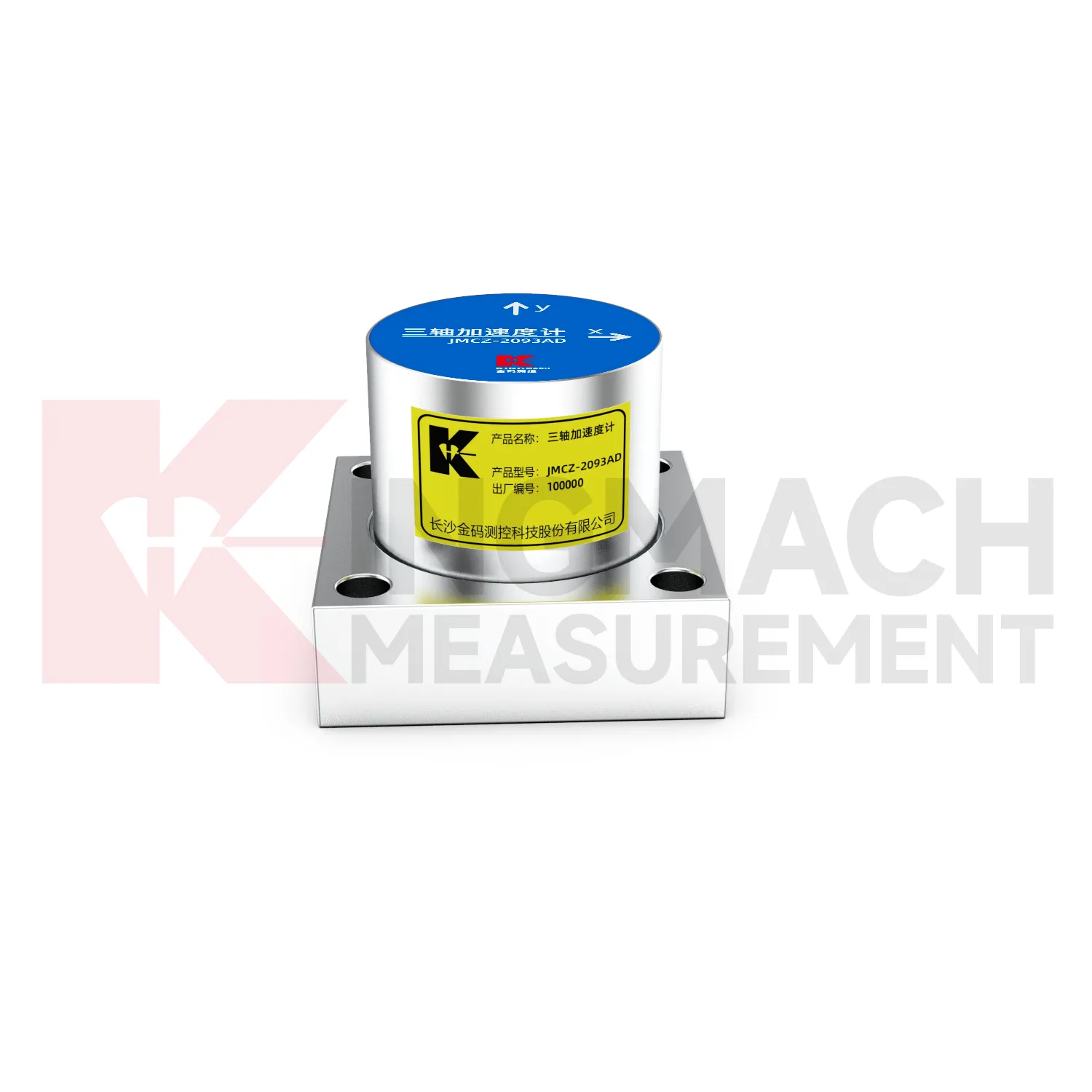
Care & Maintenance of accelerometer applications
Environmental protection helps Kingmach accelerometer applications remain stable in field use. Sensors and cables may face dust, moisture, temperature change, construction debris, vibration, and impact. Inspect seals, cable glands, cabinet entries, mounting bolts, and any protective cover. In tunnels or outdoor bridges, check for water and corrosion. In machinery rooms, check oil, dust, and accidental contact. Field protection should not block the motion being measured or create its own vibration. Maintenance notes should state what was inspected and whether the first record after inspection looked normal. This keeps field condition and data quality connected.
Protection work should be checked after site activities that can change the physical surroundings. Painting, cleaning, welding, formwork, cable tray work, or equipment relocation can disturb a point without looking like a sensor fault. The inspection note should describe the surrounding condition, not only the sensor body.
If a cover or enclosure is added, confirm that it does not touch the sensor or create a new vibration path. Good protection keeps water and impact away while leaving the measured structure free to move naturally.
Kingmach accelerometer applications
Kingmach accelerometer applications makes dynamic monitoring practical when acceleration data is connected with the engineering question. The record can help users review bridge vibration, building response, tunnel events, railway effects, machinery behavior, and seismic movement without turning the page into a model list. Buyers need to see how motion becomes evidence: where the sensor is mounted, which axis is reviewed, what event is being captured, and how the waveform supports inspection or maintenance. This product category works best when the page explains the relationship between motion, measurement, and engineering action. That same logic carries from purchase to installation to report review.
For owner handover, the file can include point photos, axis labels, acquisition settings, related structural channels, and examples of normal behavior. That helps future reviewers understand whether a later event is unusual.
Weak-vibration review should include nearby walking, wind, traffic, equipment start-up, and construction activity because these sources can influence the trace.
FAQ
Q: What are Kingmach accelerometer applications used for?
A: They are used to record acceleration and vibration behavior so engineers can review structural motion, frequency response, impact events, ground motion, and cable vibration.
Q: Where are they commonly applied?
A: They are used in bridges, buildings, tunnels, railways, machinery areas, ground-motion stations, wind towers, and construction vibration monitoring.
Q: Why not rely only on visual inspection?
A: Many dynamic problems happen too quickly or too subtly to see, while acceleration records preserve timing, direction, and frequency information.
Q: Can acceleration data support cable force review?
A: Yes, when the vibration measurement and calculation method are configured correctly for the cable being tested.
Q: Should acceleration data be reviewed alone?
A: No. It is stronger when compared with strain, displacement, tilt, load, environmental records, and inspection notes.
During interpretation, the team should compare the motion with nearby strain, displacement, tilt, load, wind, temperature, traffic, machinery, or construction notes. That wider view helps separate normal response from a pattern that needs inspection.
Reviews
Daniel Brown
Excellent environmental monitoring sensors. The data is consistent, and the system integrates smoothly with our existing setup.
James Thompson
The tiltmeters and accelerometers are very sensitive and provide precise data. Perfect for our structural health monitoring system.
Latest Inquiries
To protect the privacy of our buyers, only public service email domains like Gmail, Yahoo, and MSN will be displayed. Additionally, only a limited portion of the inquiry content will be shown.
Amelia***@gmail.comSingapore
Hello, I am looking for visualization software for monitoring system data analysis. Please let me kn...
Sophia***@gmail.comUnited Kingdom
Good day, we need environmental monitoring sensors including temperature, humidity, and wind sensors...