
 EN
EN
 ar
ar bg
bg hr
hr cs
cs da
da nl
nl fi
fi fr
fr de
de el
el hi
hi it
it ko
ko no
no pl
pl pt
pt ro
ro ru
ru es
es sv
sv tl
tl iw
iw id
id lv
lv lt
lt sr
sr sk
sk sl
sl uk
uk vi
vi et
et hu
hu th
th tr
tr fa
fa ms
ms hy
hy ka
ka ur
ur bn
bn mn
mn ta
ta kk
kk uz
uz ku
ku
Strain Acquisition Readout
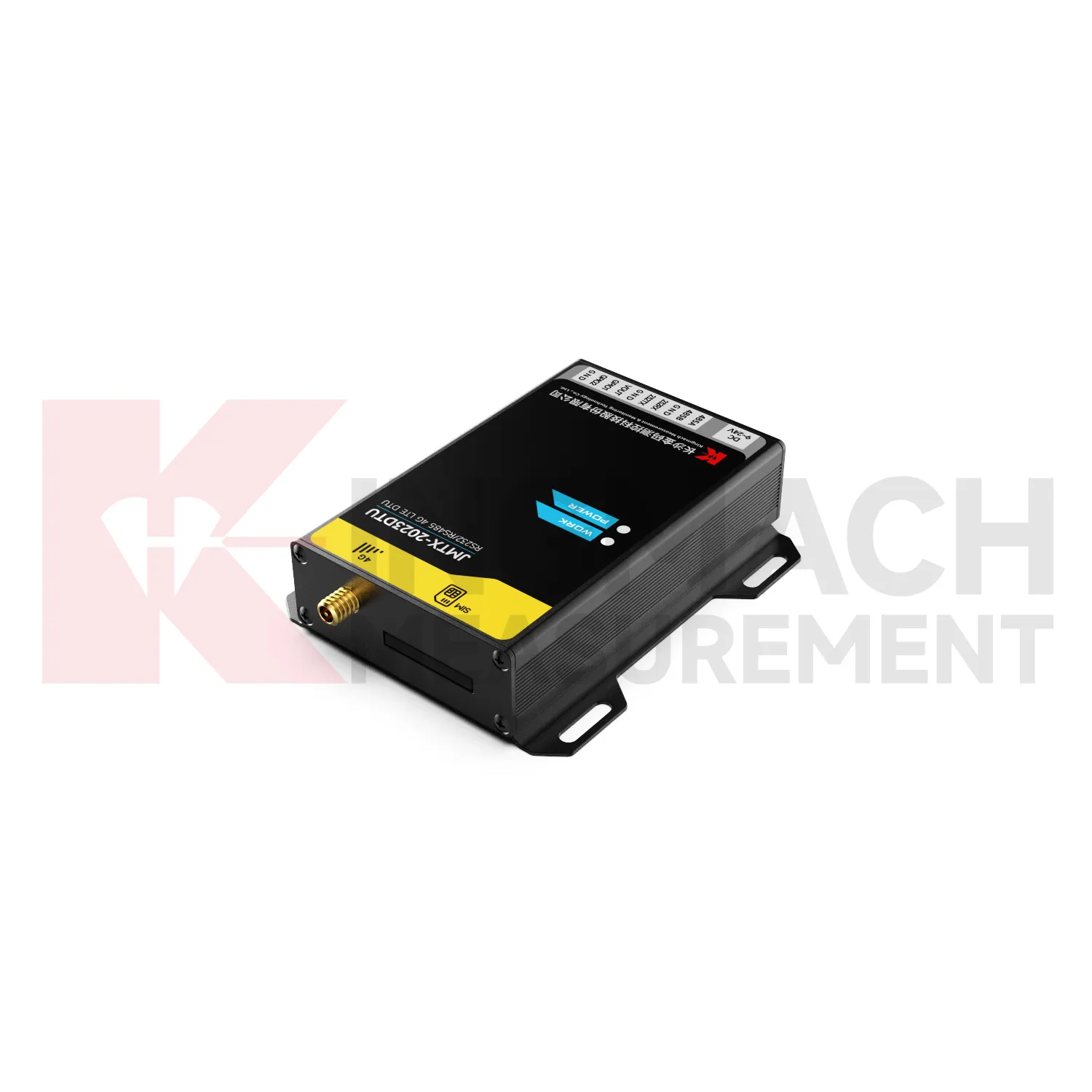
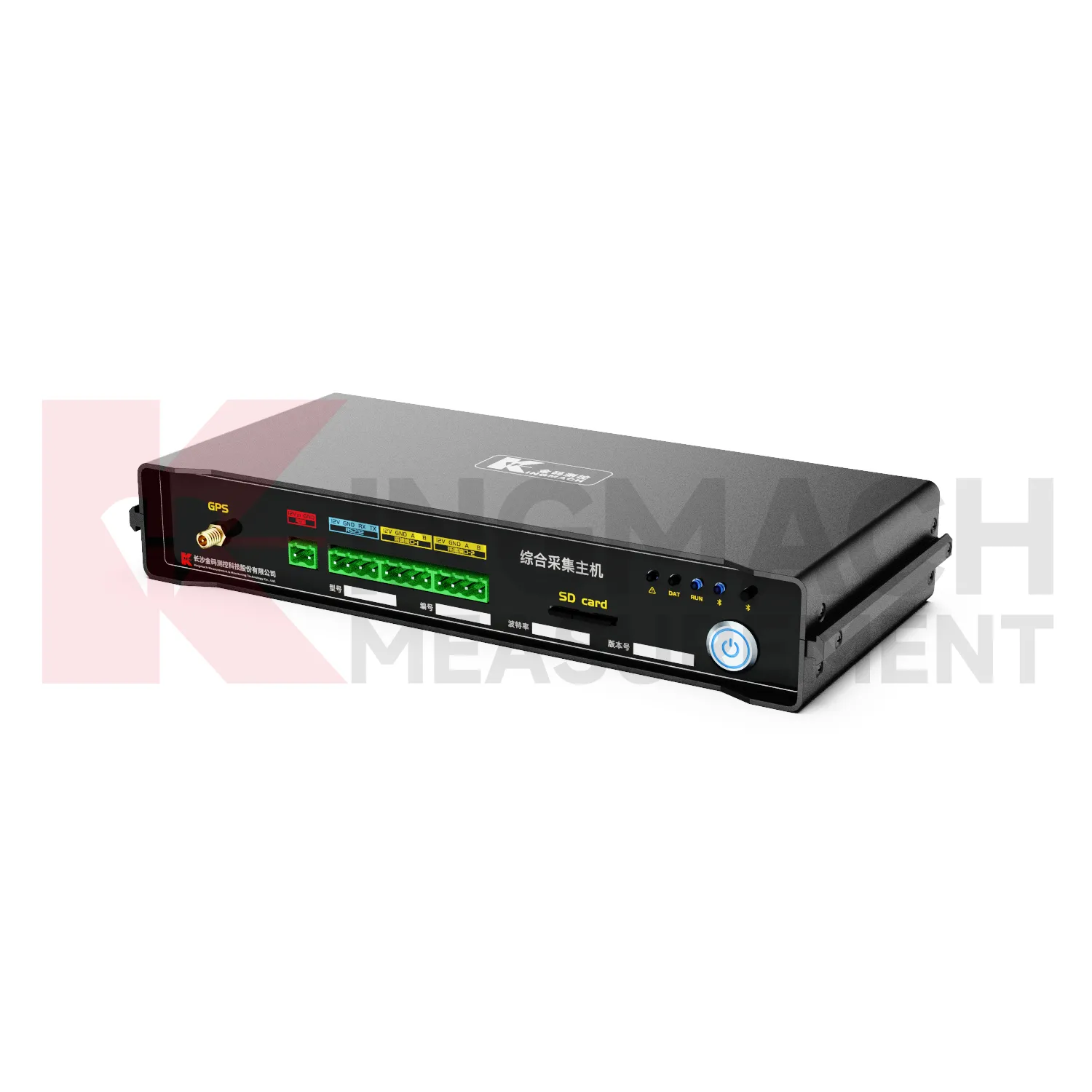
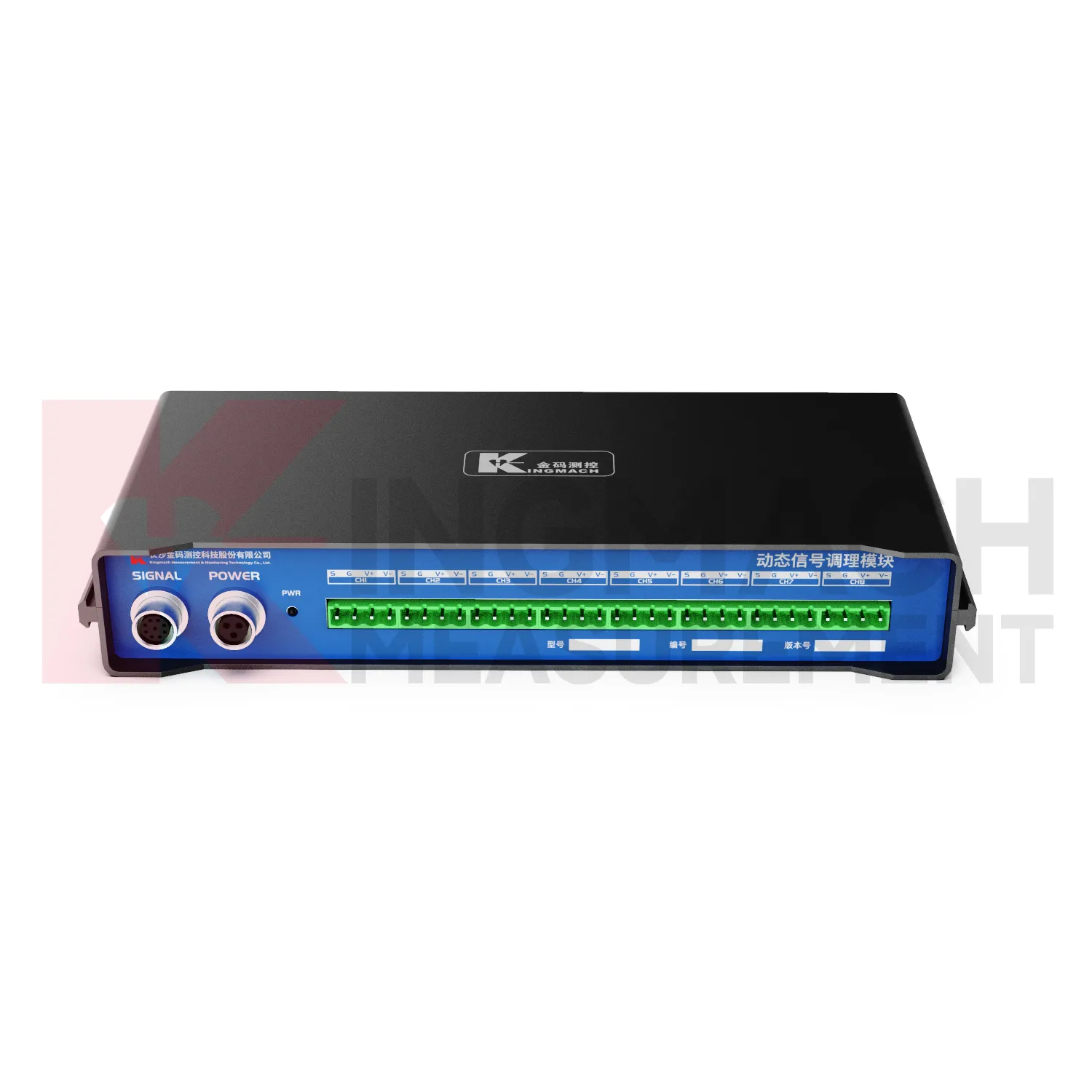
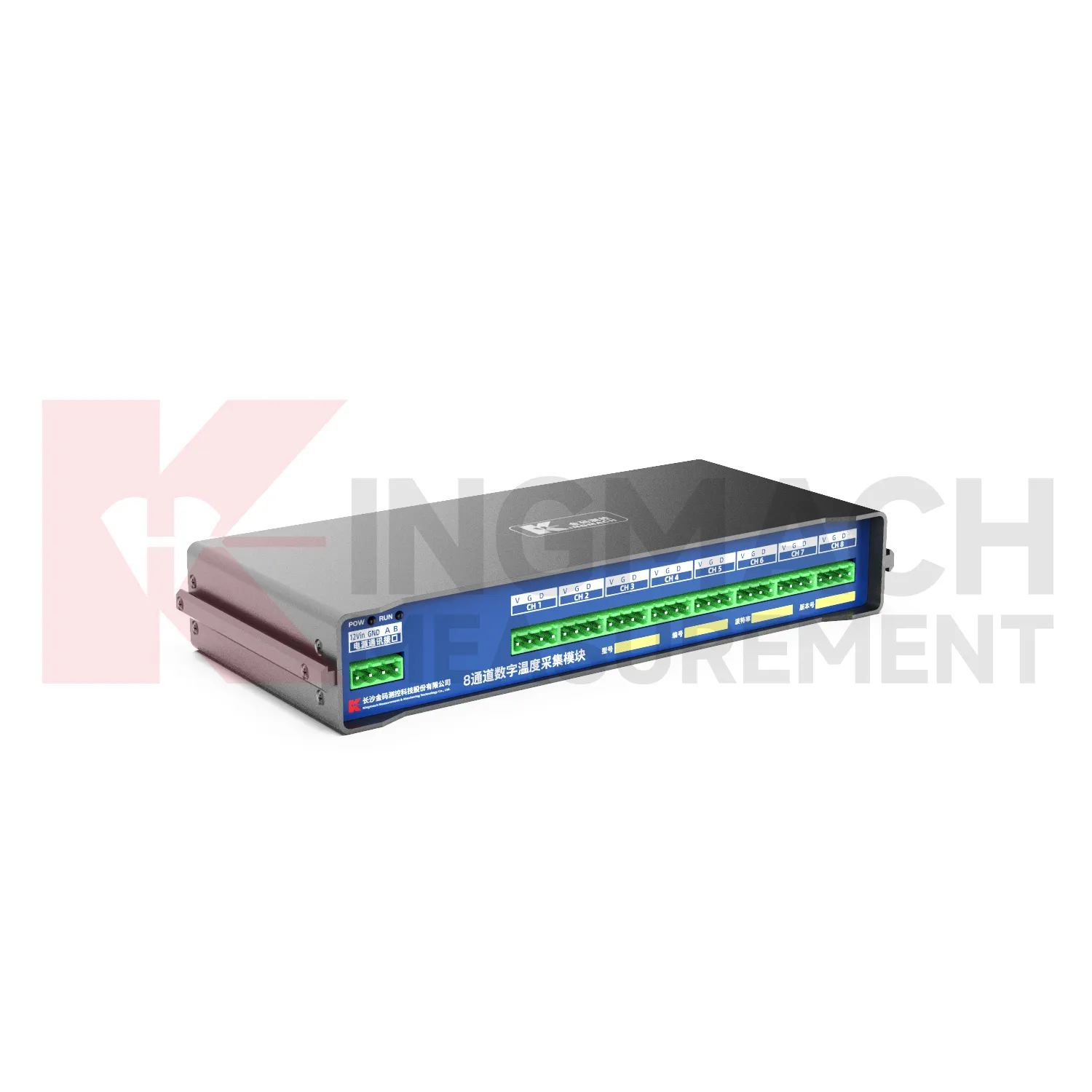
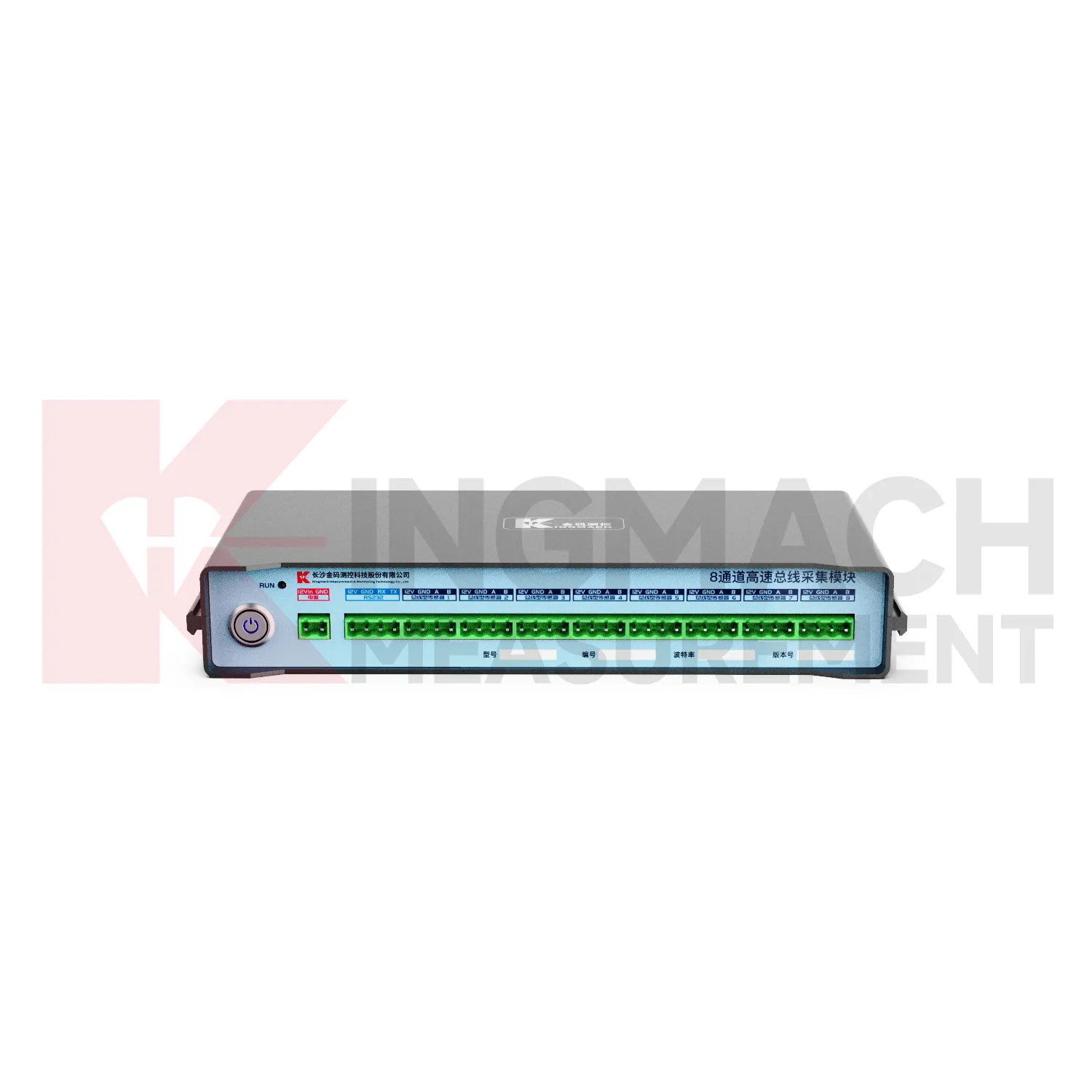
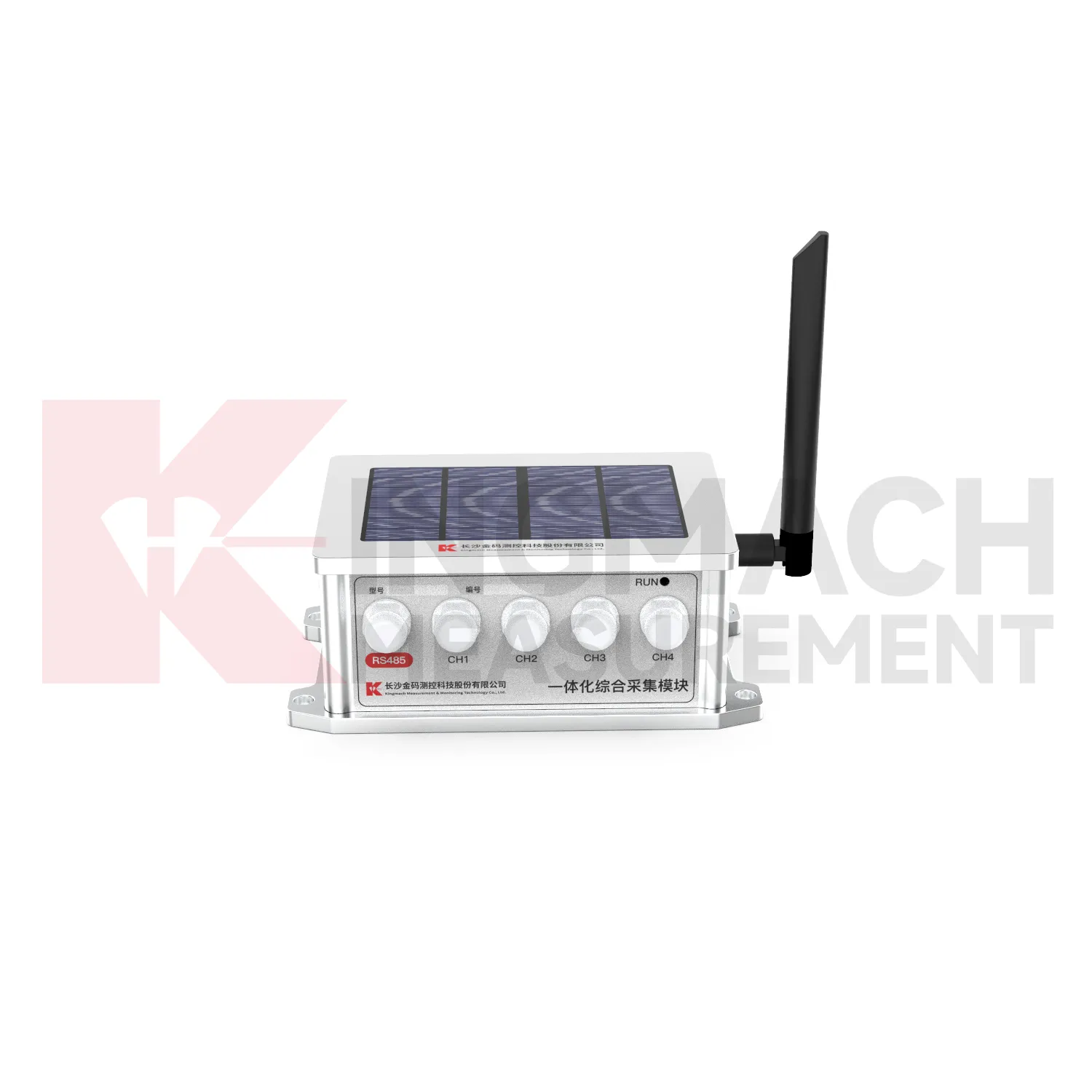
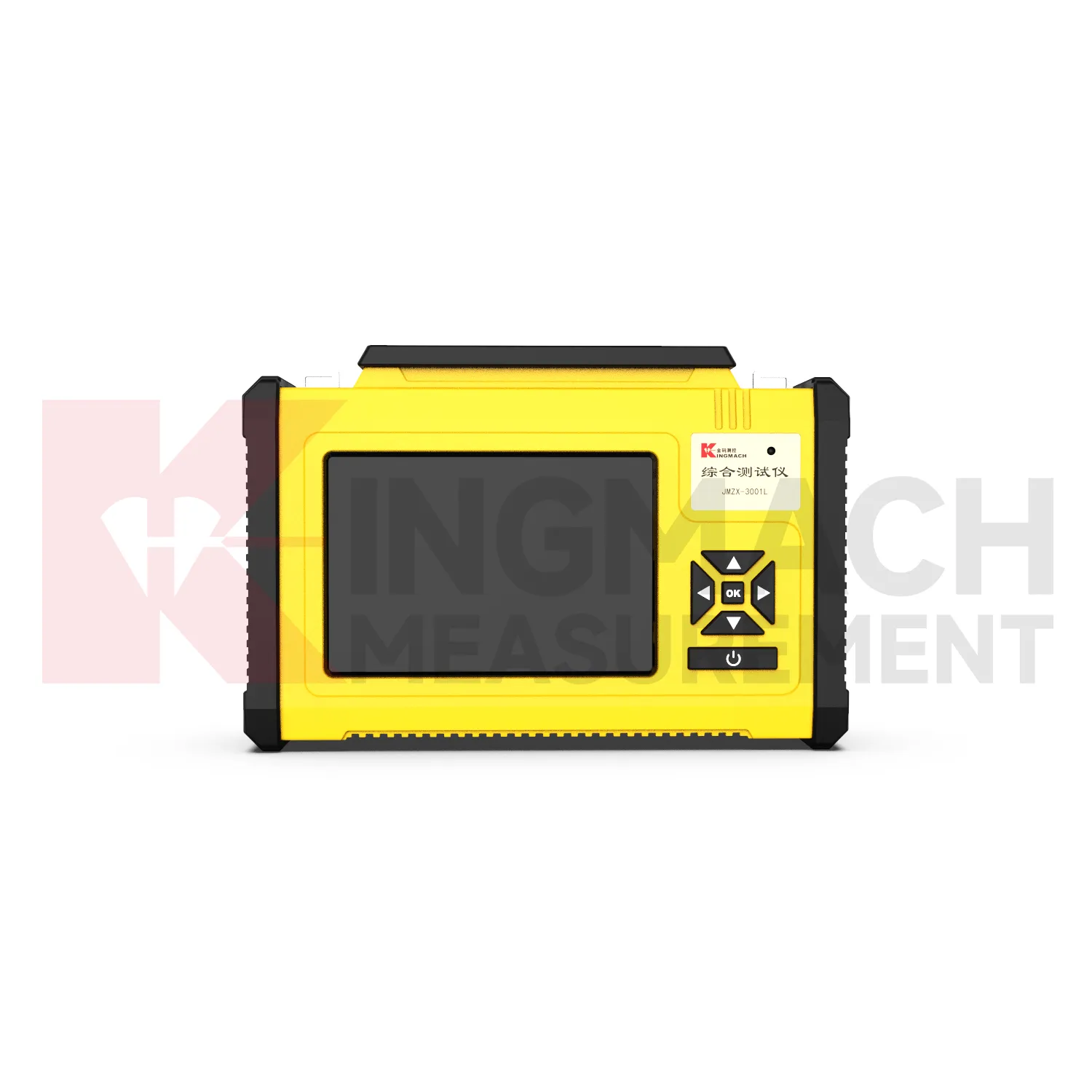
Kingmach Strain Acquisition Readout help owners avoid fragmented monitoring records. Without a clear acquisition device, one team may keep handheld readings, another may keep platform data, and a third may keep inspection notes. A better workflow connects the readout or logger with sensor location, acquisition interval, export method, and review responsibility. For vibrating wire sensors, a readout can support quick field confirmation and stored values. For RS485 digital sensors, a wireless logger can support timed acquisition and active upload. For dynamic signals, portable acquisition equipment can capture events that need faster sampling and synchronized channels. The result is a monitoring record that can be reviewed after the field crew leaves. Fragmentation is especially risky when a project has many structures, temporary work stages, or multiple contractors. The acquisition plan should define one naming logic for points and one method for exporting files. When inspection notes, logger records, and manual checks use the same location language, the owner can compare them without guesswork. This reduces reporting delays and makes abnormal readings easier to trace. It also helps when consultants, contractors, and owners need to review the same monitoring period with different responsibilities but a shared data source. during formal reporting. and audits. consistently.
Application of Strain Acquisition Readout
Bridge monitoring uses Kingmach Strain Acquisition Readout to connect strain, displacement, tilt, cable force, vibration, temperature, and environmental records into a usable acquisition workflow. During construction, portable readouts can help field crews verify sensor installation before concrete placement, load testing, or traffic opening. During operation, data loggers can collect scheduled readings or dynamic events for comparison with traffic, wind, temperature, and maintenance activity. The acquisition device should preserve point names and time stamps so bridge engineers can compare records across spans, piers, cables, bearings, and decks. A good setup also supports handover because the owner can see which channels are active, which points are temporary, and which data belongs to long-term structural review. Bridge teams also need clean separation between routine trend records and short event files. A slow temperature-related strain drift, a traffic event, and a cable force check should not be mixed into one unexplained data pool. Channel maps, event labels, and export folders help the engineer trace each record back to the bridge component that produced it. This makes later review more dependable when maintenance work, load testing, or seasonal comparison requires evidence from several sensor groups. The same acquisition file can also support bearing replacement, deck repair, cable inspection, and post-event comparison when owners need to understand how the bridge behaved before and after work.
The future of Strain Acquisition Readout
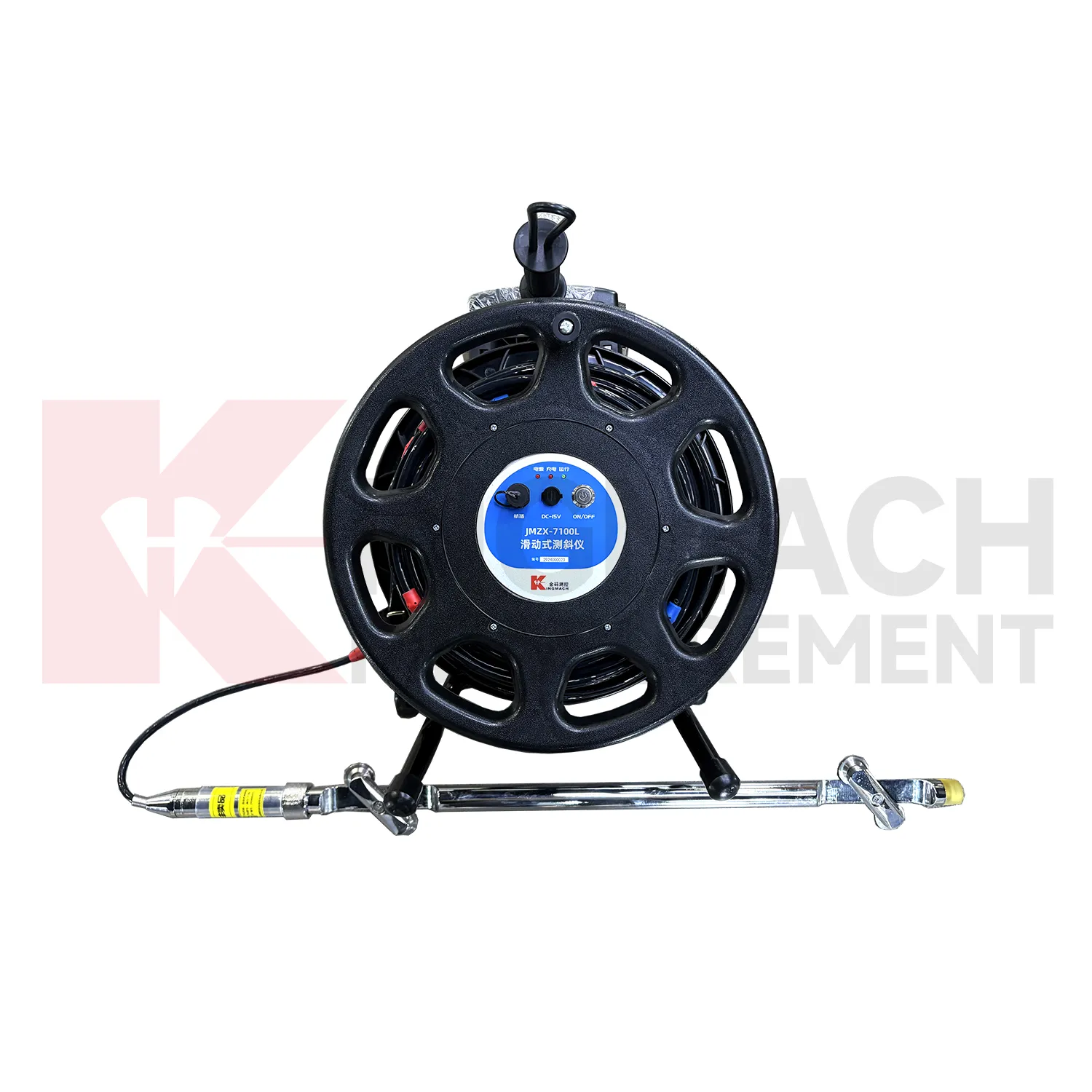
Future Kingmach Strain Acquisition Readout will put more attention on data handover. Monitoring projects often outlast the team that installed the sensors. Future readouts and loggers should support records that remain understandable after staff changes, repairs, and platform updates. A handover package can include sensor lists, channel maps, baseline values, acquisition intervals, communication settings, and examples of normal readings. When this information stays connected with the data logger history, the owner can continue review without guessing how the system was configured. Digital handover should also record what changed after installation. If a logger is replaced, a channel is renamed, or an interval is adjusted, the station history should show the reason and date. This keeps the monitoring file usable for future contractors, maintenance teams, and asset managers. A good handover record can prevent repeated troubleshooting and helps new teams understand the monitoring logic before they make changes. during operation safely. over time.
Care & Maintenance of Strain Acquisition Readout
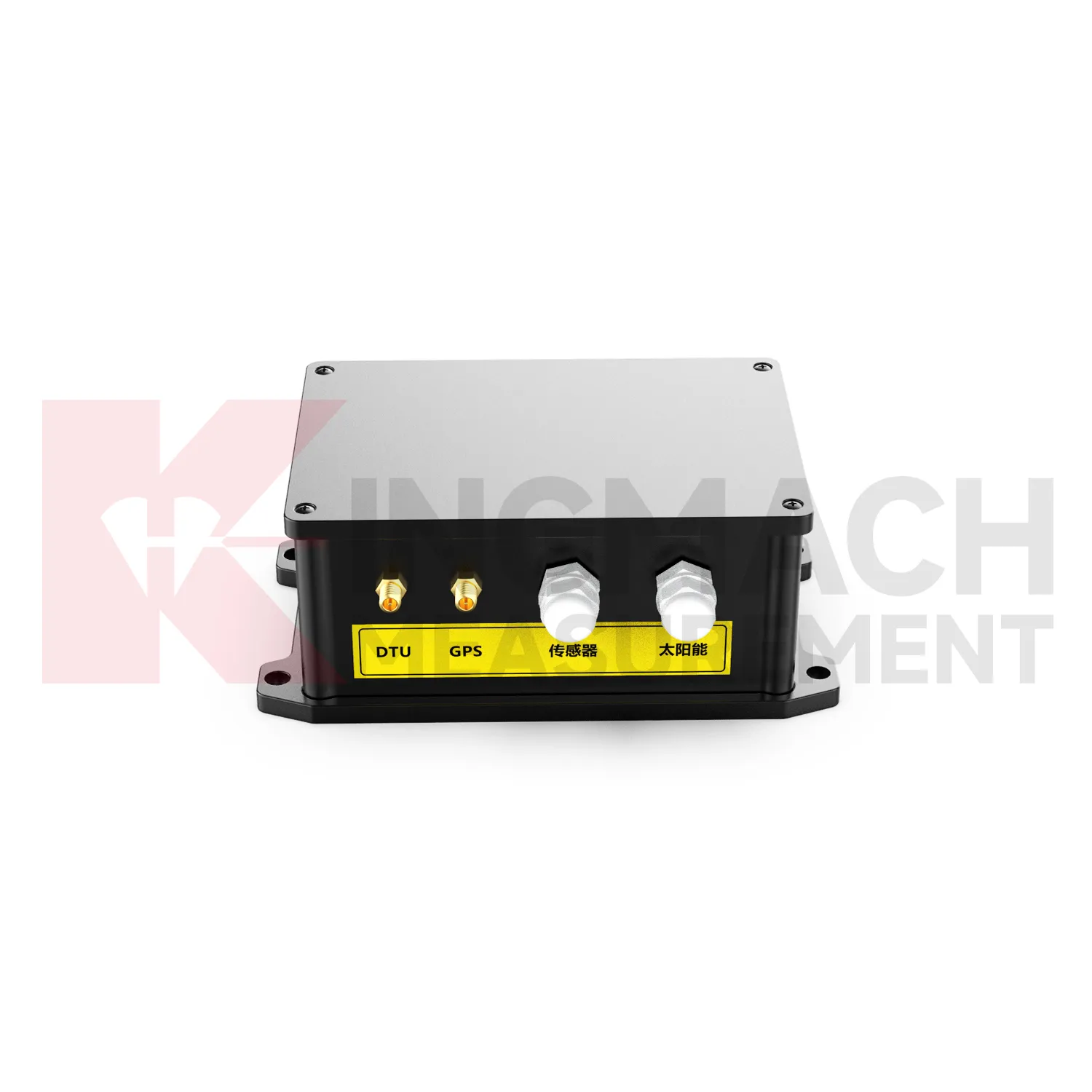
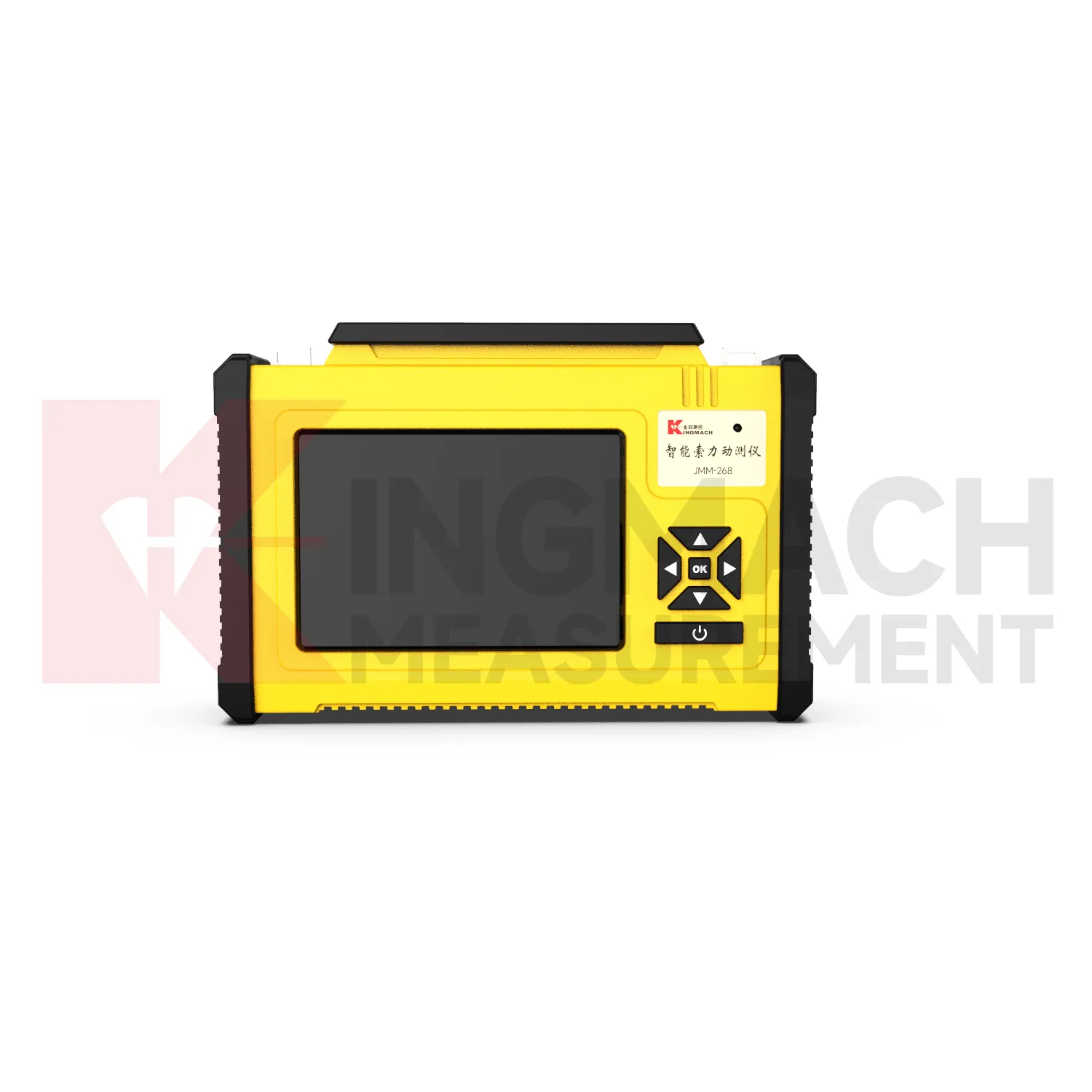
Wireless logger maintenance for Kingmach Strain Acquisition Readout should include communication and access checks. Remote stations may continue collecting locally even when uploads fail, or they may stop because power, antenna position, or platform settings changed. Maintenance teams should review signal status, last upload time, battery condition, local storage, and enclosure condition. If a station is in a slope, dam, tunnel, or bridge area with difficult access, visits should be planned around real device status rather than fixed habit alone. Clear station notes reduce unnecessary trips and protect data continuity. Wireless maintenance should also record whether data was recovered locally after an upload gap. If the platform shows missing records, the field file may still contain stored readings. Checking local storage before replacing parts can save time and preserve the monitoring history. Antenna position, signal quality, and upload schedule should remain visible in the station record. for later review. by owners. consistently.
Kingmach Strain Acquisition Readout
A strong monitoring system needs Kingmach Strain Acquisition Readout that fit the sensor network and the site conditions. Some projects need a compact handheld unit for spot checks and commissioning. Others need a multi-channel data logger for vibrating wire sensors, dynamic strain, environmental points, or digital RS485 instruments. Remote sites may need low-power wireless acquisition with scheduled measurement and active upload. The important question is how the device helps the team keep a continuous, explainable record. Battery condition, enclosure protection, communication path, channel labels, and data export all influence whether the monitoring record can support maintenance, safety review, or construction control. For remote stations, the acquisition interval, upload status, battery condition, enclosure condition, and last maintenance visit should remain visible so unattended monitoring does not become a blind record. For dynamic tests, timing accuracy, event naming, channel synchronization, and signal conditioning help the team compare motion or strain events with construction activity, traffic, wind, or machinery operation.
FAQ
Q: Where are these devices used?
A: They are used in bridges, tunnels, dams, slopes, buildings, foundation pits, railways, mines, industrial testing, and other monitoring projects.
Q: Why combine readouts with loggers?
A: Readouts confirm field points during visits, while loggers keep collecting data between visits. Together they support both verification and continuity.
Q: What should a remote station show?
A: A remote station should show acquisition status, last upload time, power condition, active channels, storage condition, and recent maintenance history.
Q: How do these devices support reports?
A: They keep readings traceable by time, channel, sensor type, location, and device status so engineers can explain trends and events more clearly.
Q: What causes confusing readings?
A: Loose cables, wrong channel names, weak power, wet enclosures, changed settings, sensor faults, or real site changes can all create confusing records. The record stays useful when point names, channel labels, sensor type, measurement time, and field condition are kept together, because later reviewers can connect the number with the actual structure and inspection history.
Reviews
Daniel Brown
Excellent environmental monitoring sensors. The data is consistent, and the system integrates smoothly with our existing setup.
Andrew Lee
The visualization software is intuitive and powerful. It helps us analyze monitoring data efficiently.
Latest Inquiries
To protect the privacy of our buyers, only public service email domains like Gmail, Yahoo, and MSN will be displayed. Additionally, only a limited portion of the inquiry content will be shown.
Isabella***@gmail.comGermany
Hello, we are evaluating weir flow meters for a water management project. Please share accuracy deta...
Amelia***@gmail.comSingapore
Hello, I am looking for visualization software for monitoring system data analysis. Please let me kn...