
 EN
EN
 ar
ar bg
bg hr
hr cs
cs da
da nl
nl fi
fi fr
fr de
de el
el hi
hi it
it ko
ko no
no pl
pl pt
pt ro
ro ru
ru es
es sv
sv tl
tl iw
iw id
id lv
lv lt
lt sr
sr sk
sk sl
sl uk
uk vi
vi et
et hu
hu th
th tr
tr fa
fa ms
ms hy
hy ka
ka ur
ur bn
bn mn
mn ta
ta kk
kk uz
uz ku
ku
electrical resistance strain gauge
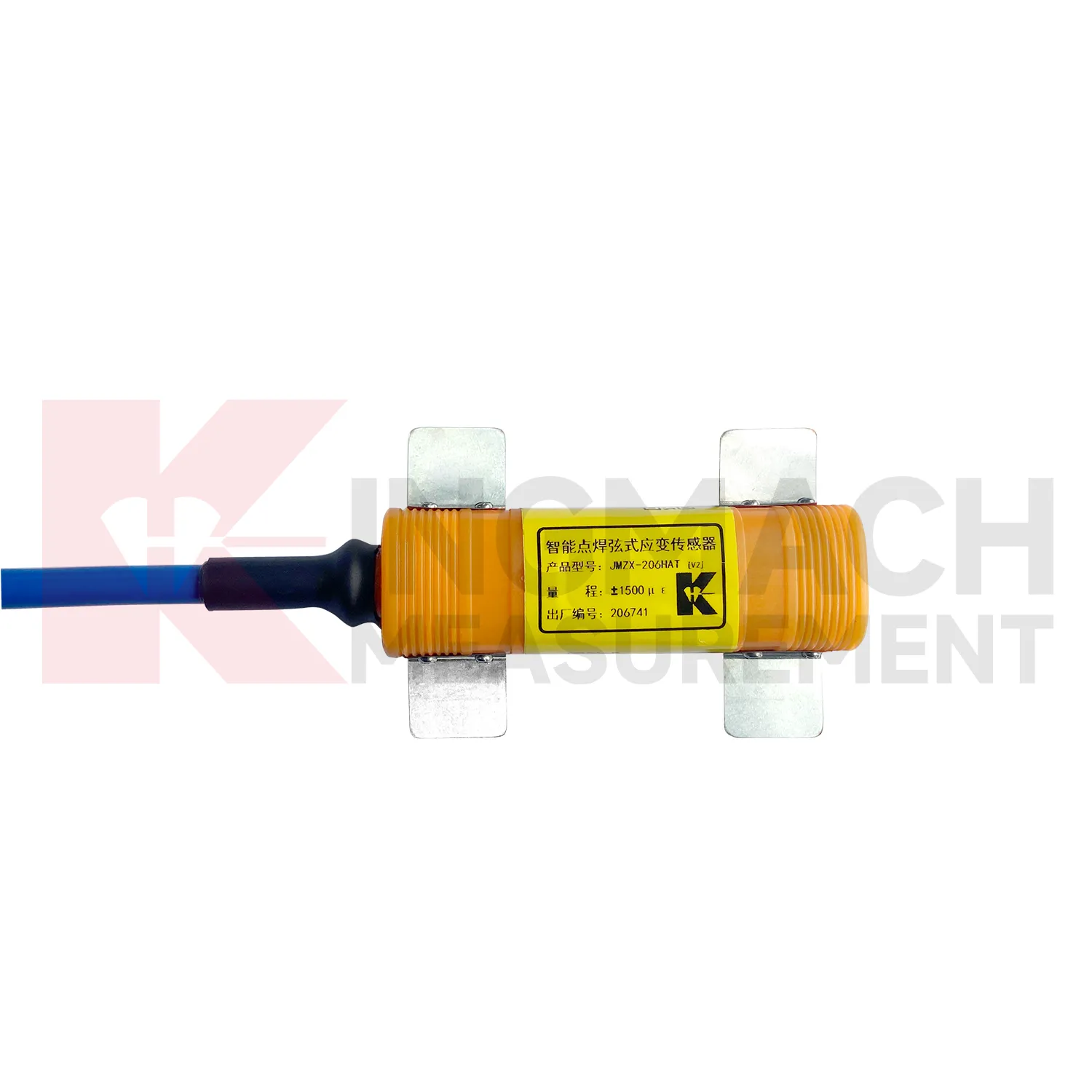
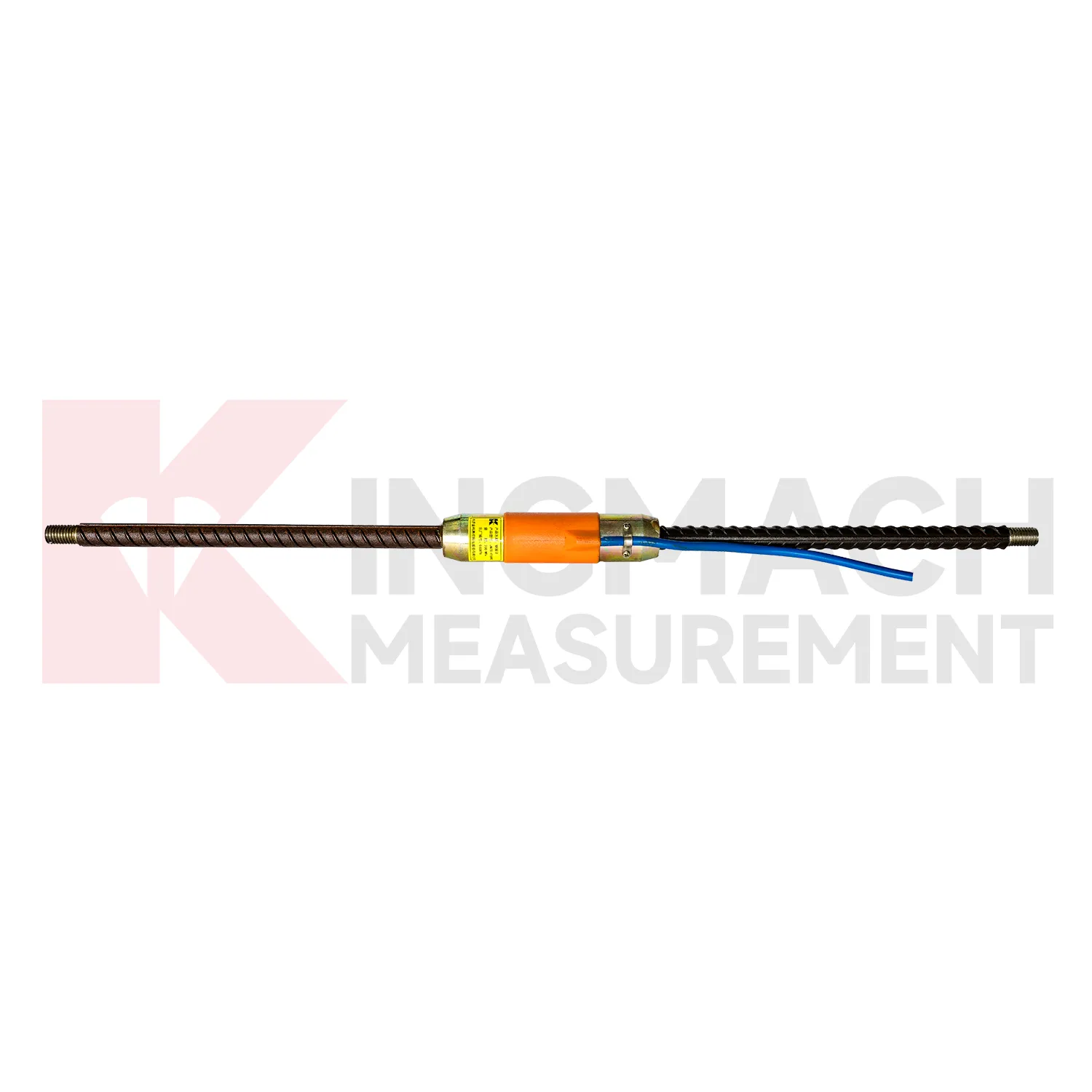
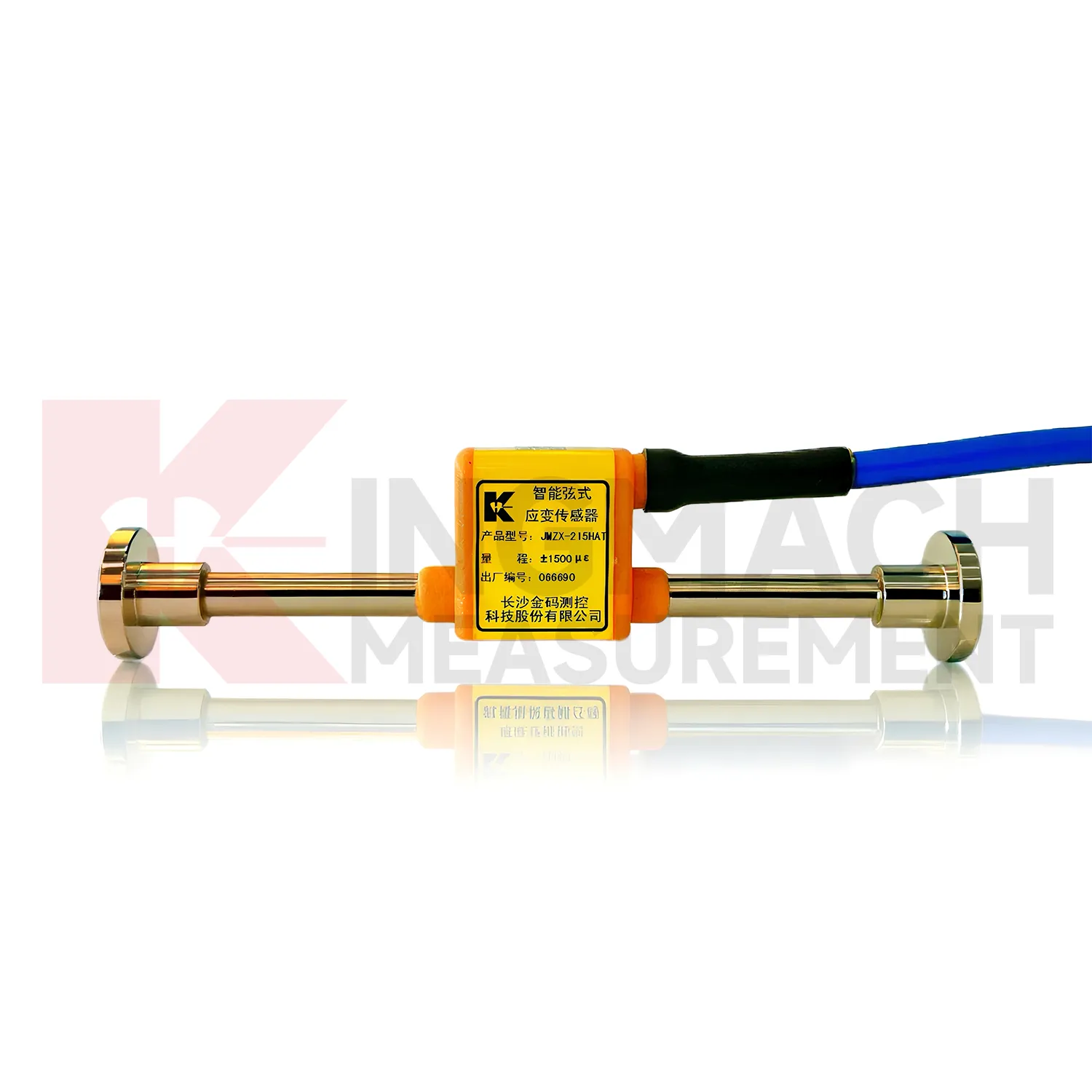
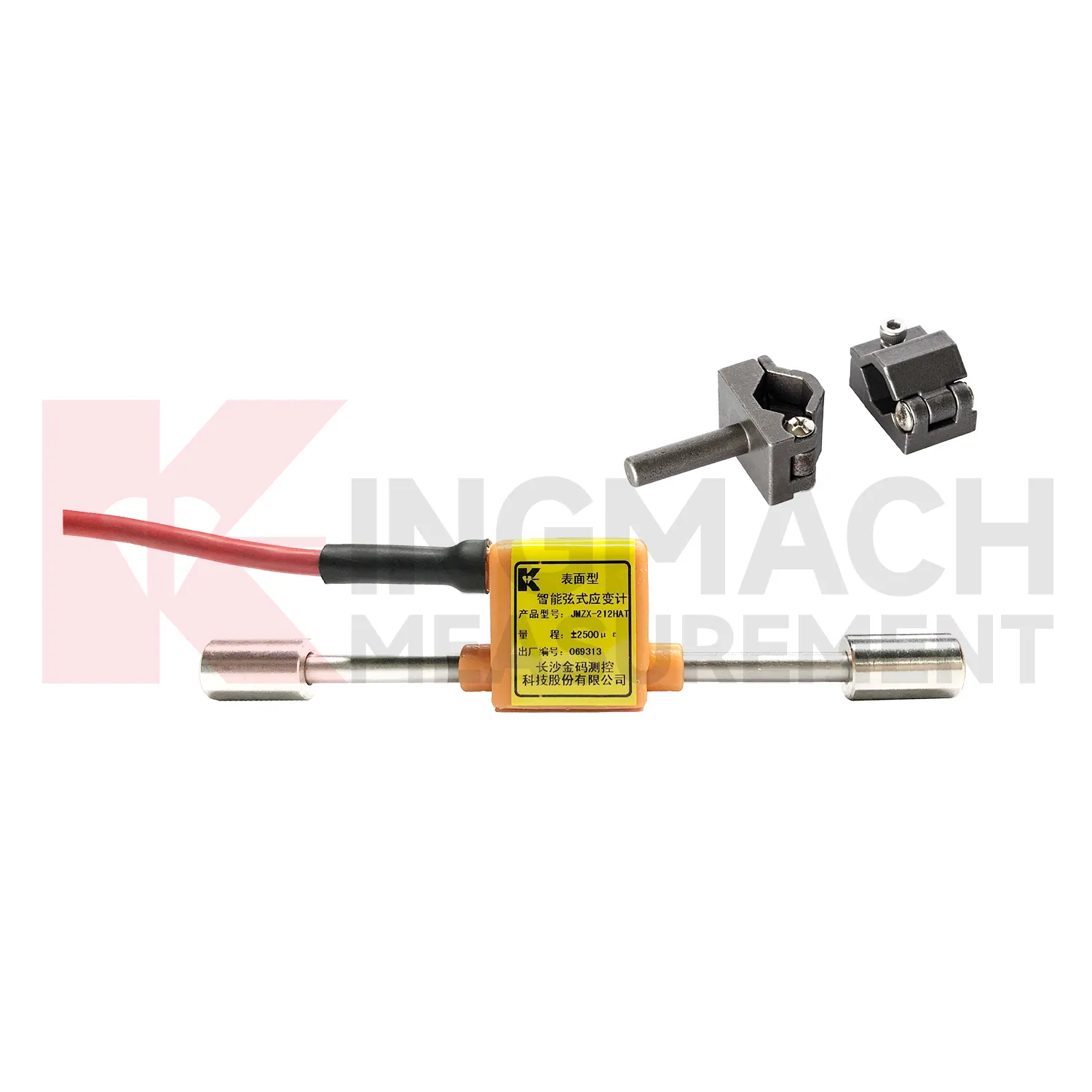
Kingmach {keyword} is suitable for projects that need strain data connected to broader structural health monitoring. The company has operated since 2001 and provides sensors, automated monitoring systems, and smart monitoring platforms for bridges, dams, tunnels, slopes, wind turbines, subways, and buildings. In the strain gauge line, the surface model offers ±2500 microstrain range and 150 meter waterproof performance, the embedded model is tied to rebar before pouring and supports internal concrete strain measurement, and the welded model provides digital detection with storage for up to 800 records. These are not decorative specifications; they answer common project questions about access, durability, traceability, and long distance signal handling. For an engineering buyer, that combination is often more important than a short product label. For Kingmach, the brand information and product specifications work together. The company supplies sensors, acquisition units, and monitoring platforms, so the strain gauge can be specified as part of a complete measurement workflow rather than a loose component. A clear specification record reduces confusion when the same project uses surface, embedded, welded, and rebar based instruments together. That is why model data, calibration values, and channel labels should travel with the product from procurement to commissioning. For field teams, those details also shape installation tools, spare cable length, readout selection, and protection work.
Application of electrical resistance strain gauge
In industrial equipment and load testing, {keyword} can be used on presses, cranes, conveyor frames, lifting fixtures, test beams, calibrated force elements, and strain gauge load cell assemblies. The pain point is uneven force distribution, overload, fatigue, or misalignment that may not be visible during operation. Kingmach surface gauges offer 0.5%F.S. strain accuracy and 0.1 microstrain resolution, while the welded model's low height design helps reduce bending deformation errors on steel members. For force related monitoring, strain readings can support load calculation when the mechanical element and calibration method are properly designed. Data can be read through comprehensive readouts or automated acquisition modules, giving maintenance teams a usable record during factory testing, equipment commissioning, or repeated service checks. For procurement teams, the equipment package behind the sensor should be clear: the gauge, cable, readout, acquisition unit, communication device, platform access, and maintenance record. For field use, the strain point should be named, mapped, protected, and reviewed with nearby sensors before any alarm is judged. The same record can support staged construction control, post event inspection, and long term maintenance planning. When data is collected automatically, engineers can compare daily movement instead of relying on occasional manual readings.
The future of electrical resistance strain gauge
For dams, slopes, and remote infrastructure, the future of {keyword} will depend on low power field systems and remote transmission. A sensor installed in a gallery, anchor zone, or mountain slope may be hard to visit after construction. Kingmach's catalog already includes wireless data loggers, DTUs, acquisition modules, and monitoring platforms, which can support remote strain records when power and communication are designed carefully. Future projects may use LoRa, 5G, solar power, and edge storage to keep readings available during bad weather or network interruptions. Strain data will be more useful when it is reviewed with seepage, water level, settlement, and rainfall records instead of sitting alone. That is why product development should connect hardware durability with data quality, including stable frequency signals, protected cabling, timestamped records, and practical alarm rules. That path keeps the technology tied to field decisions, not abstract promises. It also makes sensor data easier to use in owner reports and maintenance meetings.
Care & Maintenance of electrical resistance strain gauge
Care for {keyword} starts before the first reading. During installation, the surface or mounting point must be prepared according to the model: surface gauges need clean concrete or steel, embedded gauges must be tied securely to rebar or brackets before pouring, and JMZX-206HAT welded gauges require a polished 10 x 80 mm flat steel area for spot welding. Cable routing should avoid sharp edges, standing water, welding heat, and worker traffic. For long term use, check protective coating, cable glands, junction boxes, and channel labels during inspection. Kingmach vibrating wire models may include temperature correction, so the temperature channel should also be verified. Good early records make later drift or abnormal strain much easier to diagnose. During long term use, maintenance staff should keep the original installation photo, calibration sheet, baseline reading, and channel name together so later teams can understand any drift or sudden change. Keep these checks in the project log.
Kingmach electrical resistance strain gauge
For steel structures, {keyword} gives engineers a direct way to watch stress behavior on beams, pipes, braces, trusses, towers, and bridge members. Kingmach's surface and surface welded strain gauge models are designed for exposed steel or concrete surfaces, with the JMZX-206HAT model using spot welding on a polished 10 x 80 mm flat area. This kind of installation can be useful when adhesive bonding is not preferred or when long term steel monitoring is required. Once connected to acquisition equipment, the strain record can reveal bending response, support force variation, fatigue trends, or stress redistribution after repair work. The same approach supports a complete measurement chain, from the sensing point to protected cabling, acquisition hardware, stored records, and engineering review. The same data can guide inspection notes and repair timing. Site records matter. That field record supports later inspection. It also gives engineers a cleaner baseline for later comparison.
FAQ
Q: How do I select {keyword} for concrete structures?
A: Use embedded gauges for internal concrete strain, surface gauges for exposed concrete, and rebar strainmeters when reinforcement stress is the main concern.
Q: Which model fits steel structures?
A: JMZX-206HAT is designed for surface welded installation on steel members and covers -1500 to +2500 microstrain.
Q: Can it measure temperature too?
A: Temperature versions can measure the monitoring point temperature, with a thermometer range from -40℃ to +120℃ and ±0.5℃ accuracy on listed models.
Q: What should be checked before installation?
A: Confirm surface preparation, model type, cable route, channel name, acquisition setting, waterproof protection, and calibration data.
Q: Can it connect to automatic data collection?
A: Yes. Kingmach gauges can be paired with comprehensive readouts and automated acquisition systems for unattended measurement.
Reviews
Ryan Lewis
Fast delivery and excellent product quality. The accelerometers and tiltmeters are highly reliable. Strongly recommend this company.
Michael Anderson
The strain gauges and load cells are extremely accurate and stable. They performed very well in our bridge monitoring project. Highly recommended!
Latest Inquiries
To protect the privacy of our buyers, only public service email domains like Gmail, Yahoo, and MSN will be displayed. Additionally, only a limited portion of the inquiry content will be shown.
Evelyn***@gmail.comSouth Africa
Hi, we are a contractor working on tunnel construction and need settlement sensors and displacement ...
Ava***@gmail.comAustralia
Hi, I am looking for reliable tiltmeters and accelerometers for structural health monitoring. Please...