
 EN
EN
 ar
ar bg
bg hr
hr cs
cs da
da nl
nl fi
fi fr
fr de
de el
el hi
hi it
it ko
ko no
no pl
pl pt
pt ro
ro ru
ru es
es sv
sv tl
tl iw
iw id
id lv
lv lt
lt sr
sr sk
sk sl
sl uk
uk vi
vi et
et hu
hu th
th tr
tr fa
fa ms
ms hy
hy ka
ka ur
ur bn
bn mn
mn ta
ta kk
kk uz
uz ku
ku
Smart Weir Flow Meter
Kingmach Smart Weir Flow Meter can serve both short-term testing and long-term operation. During commissioning, the project team may need to confirm that the weir section is stable, the water head reading responds sensibly, and the data path records the correct point. During long-term use, the owner may care more about trends, maintenance events, seasonal changes, and abnormal flow patterns. The same measuring point must support both phases. That means the handover file should include drawings, photographs, channel notes, cleaning access, first stable readings, data channel names, and maintenance instructions. If the point is later repaired or cleaned, the maintenance note should remain visible beside the curve. This keeps the record useful after the original installation team has left. Handover quality has a direct effect on future trust. New operators should know why the point was installed, where the water comes from, what conditions make the reading unreliable, and how to recognize a channel problem. Photos before and after cleaning, a simple access route, and a short note about expected seasonal behavior can prevent confusion years after installation. Good documentation turns one monitoring point into a durable operating asset rather than a forgotten instrument record. It also makes later audits faster and more consistent.
Application of Smart Weir Flow Meter
Tunnel and underground projects use Kingmach Smart Weir Flow Meter when discharge, seepage collection, or drainage flow needs to be observed over time. A tunnel drainage point may behave differently after rainfall, excavation, lining work, groundwater change, or maintenance cleaning. Flow records should be reviewed with seepage notes, water level observations, settlement, convergence, crack records, and inspection photographs. The measuring point must remain accessible because underground channels can collect sediment, scale, or debris. Point names should include section, side, drainage path, and purpose so future maintenance teams know what the record represents. A reliable flow curve helps distinguish routine drainage from a change that may require closer investigation. In underground work, the context around the number matters. A rising flow trend near a known seepage zone may require a different response from a brief rise after planned washing or pumping. Operators should keep notes about access restrictions, lighting, ventilation, cleaning time, and visible deposits near the measuring section. Those details help engineers review the record without guessing what happened on site. When the tunnel enters long-term service, the same monitoring point can continue to support drainage maintenance, seasonal review, and early discussion of unusual water movement. It also helps compare different tunnel sections without relying only on memory or scattered inspection notes.
The future of Smart Weir Flow Meter
Water-related risk review will shape future Kingmach Smart Weir Flow Meter. In slopes, dams, tunnels, and drainage systems, flow changes can be early evidence of a changing water path. Future monitoring should compare flow with seepage, pore pressure, rainfall, settlement, displacement, and inspection notes where those records exist. A flow rise alone may not mean danger, but a flow rise with movement or seepage change deserves attention. A flow drop can also matter if it suggests blockage or a changed drainage path. Future reporting should help teams see these combinations quickly. Risk review needs clear grouping of related records. Engineers should be able to see whether flow changed before, after, or at the same time as rainfall, pressure, or movement. That timing can guide the next field check and help avoid overreacting to a single isolated value. A practical report should make relationships visible without hiding the need for professional judgment. Carefully.
Care & Maintenance of Smart Weir Flow Meter
Replacement or repair of Kingmach Smart Weir Flow Meter components should preserve the flow history. If the measuring section, water head point, enclosure, cable, data channel, or platform setting changes, record the date, reason, old condition, new condition, and first stable reading. Do not hide the change by forcing the curve to look continuous without explanation. Future reviewers need to know whether a flow shift came from water behavior or from maintenance. A clear repair note protects the long-term value of the flow record and makes handover easier for the next team. Repair work should also include a short comparison before and after the change. Photos, technician notes, and a brief explanation of why the work was done can keep the data traceable. If the channel was cleaned or reshaped at the same time, that should be separated from instrument repair so later trend review does not mix two different causes. during review.
Kingmach Smart Weir Flow Meter
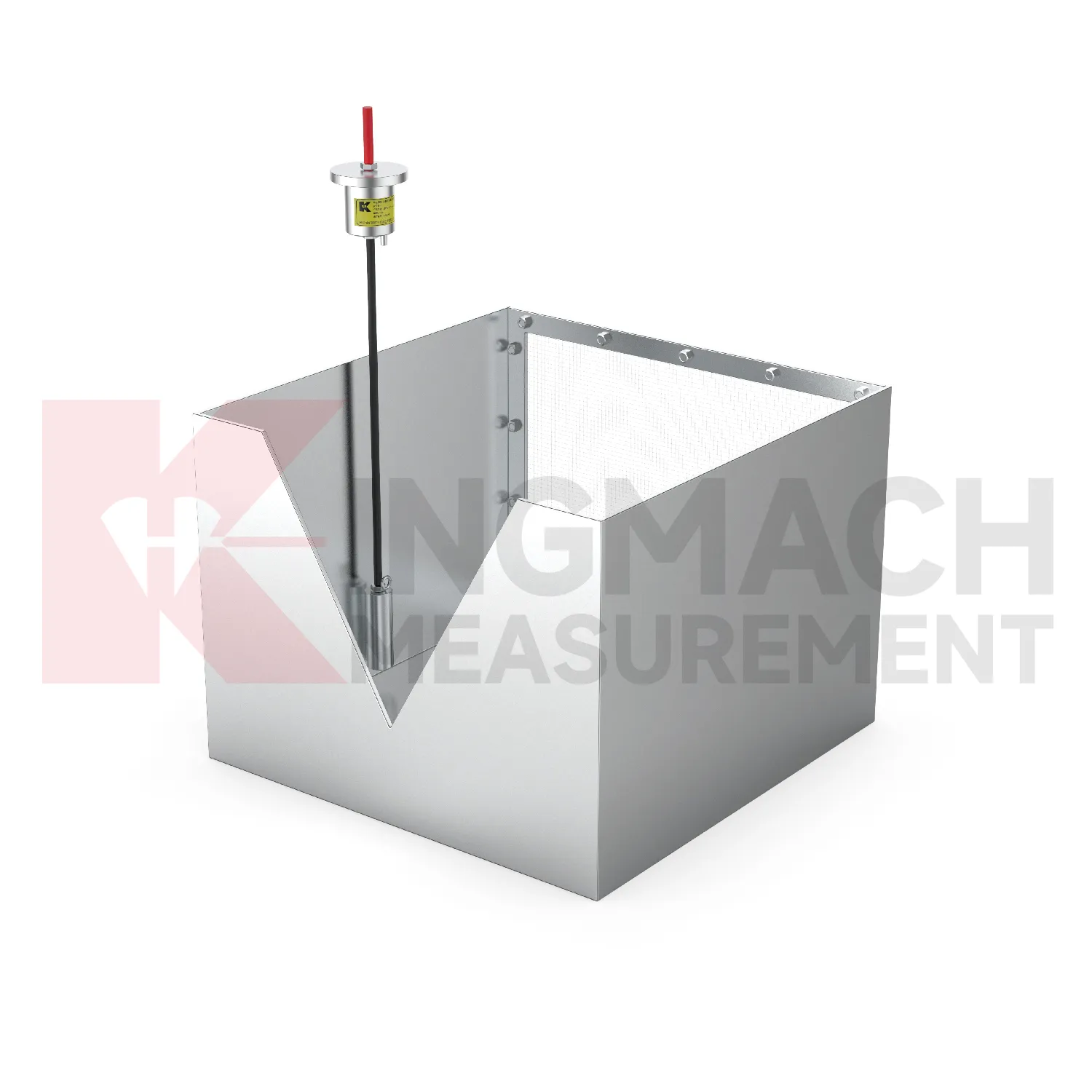
Kingmach Smart Weir Flow Meter supports projects where small water level changes need to be converted into meaningful flow information. In a weir structure, a slight rise or fall in water head can represent a real change in discharge. That is why the measurement point must be stable, clean, and tied to the correct hydraulic geometry. The record becomes stronger when water level, channel condition, rainfall, pump operation, gate activity, and inspection notes are reviewed together. A flow curve by itself may show an increase, but the site record explains whether that increase came from stormwater, controlled discharge, blockage, leakage, or upstream operation. This kind of interpretation is important for operators who must act on the data. They need to know whether a change is normal, whether a channel needs cleaning, or whether another instrument record should be checked. A clear flow history turns small water-head movement into a practical operating signal instead of an isolated reading.
FAQ
Q: What maintenance is needed?
A: Inspect the crest, approach channel, downstream condition, sensing area, enclosure, cable route, labels, and recent flow trend.
Q: How often should cleaning happen?
A: Cleaning frequency depends on debris, sediment, season, upstream activity, rainfall, and how critical the flow record is for the project.
Q: What should be checked after storms?
A: Check debris, sediment, water marks, downstream backwater, enclosure water entry, cable damage, and whether the first post-storm reading is plausible.
Q: Why record maintenance notes?
A: Maintenance notes explain whether a flow change came from real water behavior, cleaning, repair, blockage, or measuring-section disturbance.
Q: What if the weir point is modified?
A: Record the date, reason, old condition, new condition, and first stable reading so future reviewers can compare the curve correctly. Designers, operators, maintenance staff, and owners may read the same curve, so the record needs clear site conditions, inspection notes, and action history in plain engineering language.
Reviews
Andrew Lee
The visualization software is intuitive and powerful. It helps us analyze monitoring data efficiently.
Robert Taylor
The weir flow meter is well-built and delivers accurate measurements. Great value for water management applications.
Latest Inquiries
To protect the privacy of our buyers, only public service email domains like Gmail, Yahoo, and MSN will be displayed. Additionally, only a limited portion of the inquiry content will be shown.
Emma***@gmail.comCanada
Dear Sir/Madam, we are interested in displacement transducers and settlement sensors for a geotechni...
Olivia***@gmail.comUnited States
Hello, we are currently sourcing high-precision strain gauges and load cells for a bridge monitoring...
Related product categories
- Intelligent Weir Flow Meter
- Smart Weir Flow Meter
- weir flow meter
- weir type flow meter
- weir flow meter Price
- weir flow meter Manufacturer
- weir flow meter Supplier
- weir flow meter Solution
- weir flow meter System Integration
- weir flow meter Localization
- weir flow meter Domestic Manufacturing
- weir flow meter China