
 EN
EN
 ar
ar bg
bg hr
hr cs
cs da
da nl
nl fi
fi fr
fr de
de el
el hi
hi it
it ko
ko no
no pl
pl pt
pt ro
ro ru
ru es
es sv
sv tl
tl iw
iw id
id lv
lv lt
lt sr
sr sk
sk sl
sl uk
uk vi
vi et
et hu
hu th
th tr
tr fa
fa ms
ms hy
hy ka
ka ur
ur bn
bn mn
mn ta
ta kk
kk uz
uz ku
ku
Instrumentation Cables
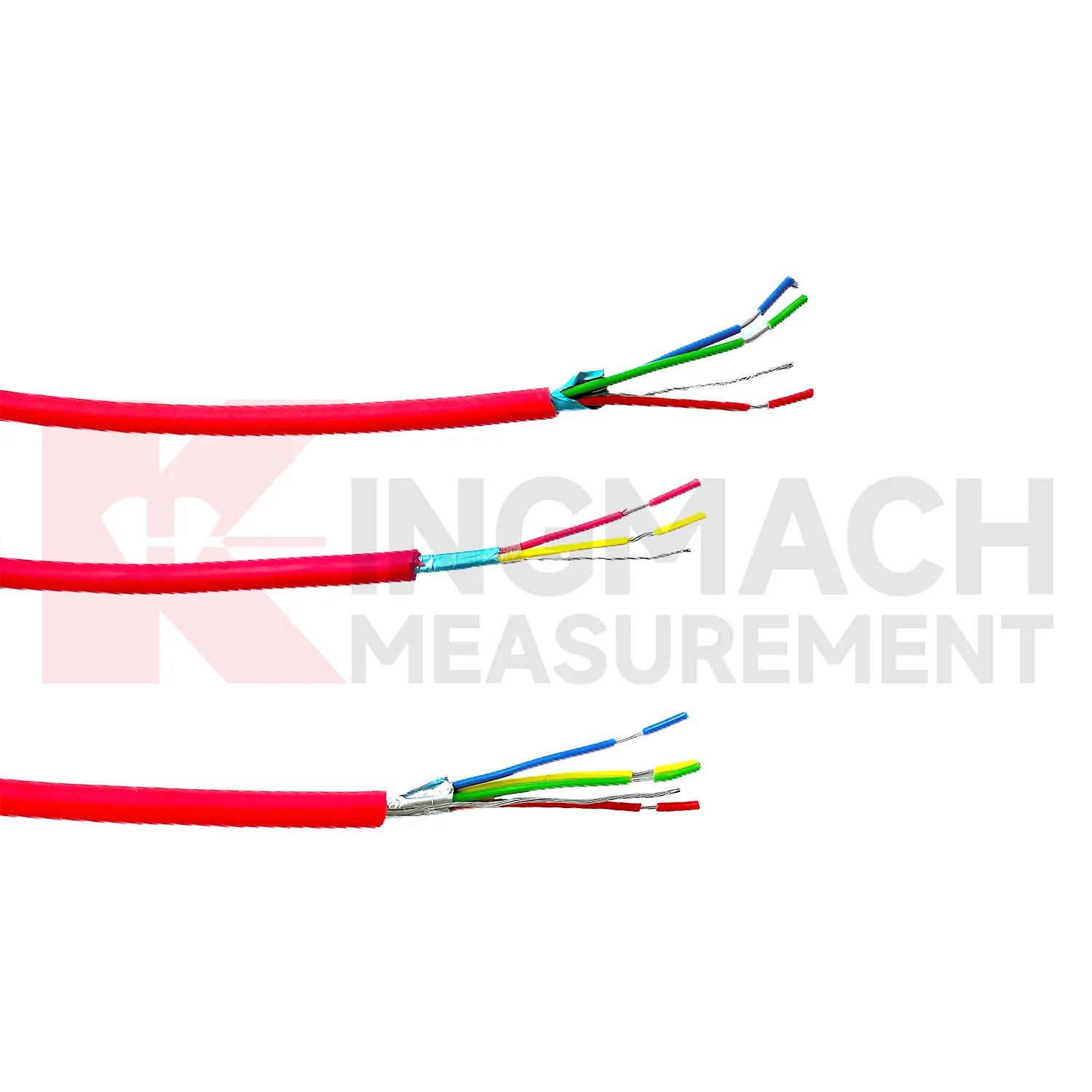
Kingmach Instrumentation Cables fit naturally with the company's structural health monitoring product range, including strain gauges, load cells, displacement transducers, settlement sensors, tiltmeters, environmental instruments, accelerometers, water-level equipment, and readouts or data loggers. The cable family supports the installation, maintenance, and upgrading of those measurement systems. When a site uses mixed instruments, a consistent cable approach reduces confusion at junction boxes and acquisition cabinets. That consistency becomes important during maintenance, when technicians need to trace a fault quickly without disturbing stable channels.
Application of Instrumentation Cables
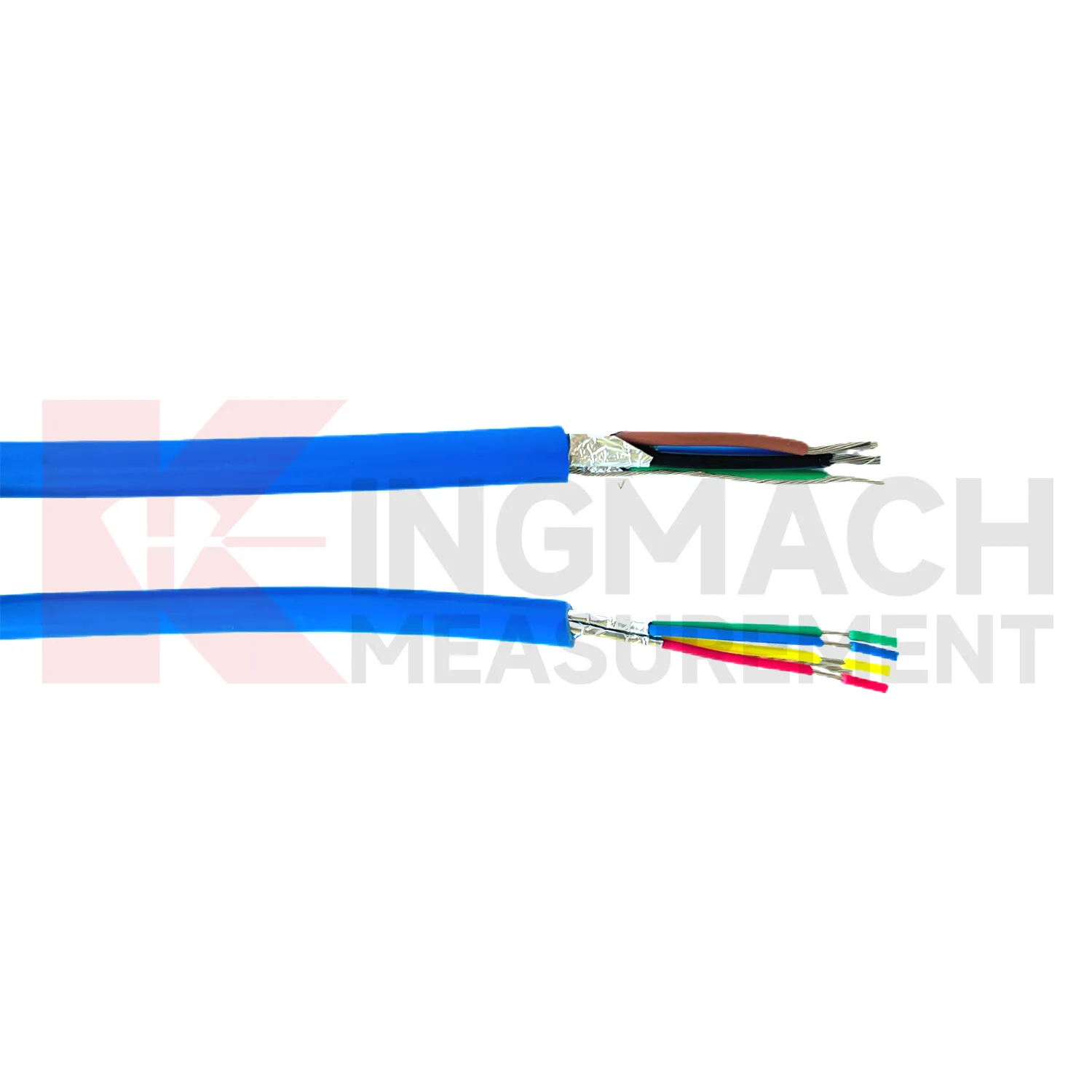
Dam and hydraulic engineering projects place special demands on Kingmach Instrumentation Cables. Galleries, seepage areas, water-level points, and wet inspection routes require stronger sealing and water resistance than ordinary indoor wiring. JMZX-XSX is suited to these conditions because it uses multi-layer sealing and water-resistant insulation, with higher waterproof and tensile properties. It can support power or signal transmission where moisture, pressure, and cable pulling need attention. Careful termination and cabinet entry sealing are critical so water does not travel along the route into monitoring equipment.
The future of Instrumentation Cables
Digital twin projects will use Kingmach Instrumentation Cables as part of the physical link between a real structure and its virtual record. A twin needs sensor data that can be traced back to known points, known channels, and known installation routes. Cable documentation will therefore become part of the model history, not merely a maintenance note. When a bridge, dam, tunnel, or building record changes, reviewers can check both structural behavior and cable condition before updating risk status or maintenance plans.
Care & Maintenance of Instrumentation Cables
Keep a maintenance history for Kingmach Instrumentation Cables that includes route photos, repair dates, connector changes, cabinet work, water exposure, and any site activity near the cable. This history is useful when engineers review long-term data trends. A sudden change may come from a structural event, but it may also follow a cable repair, moved conduit, wet junction box, or changed channel assignment. Good records let the team separate those possibilities without repeated site visits.
Kingmach Instrumentation Cables
For procurement teams, Kingmach Instrumentation Cables turn the bill of materials into something installers can actually use. Before purchase, the team should compare the monitoring drawings with cabinet locations, instrument terminals, expected spare conductors, and access limits on the structure. A bridge deck run, a tunnel gallery run, and a dam seepage gallery run do not create the same cable demand. JMZX-XPX suits clean signal work near possible EMI or RFI, while JMZX-XSX fits wet hydraulic routes with sealing and pulling stress. Ordering from this route map reduces cut-to-fit improvisation and makes acceptance testing smoother.
FAQ
Q: What should be checked before pulling cable?
A: Confirm the drawing route, conduit condition, bend radius, wet sections, nearby power equipment, and cabinet entry position.
Q: How should a shielded cable route be handled?
A: Keep it away from strong electrical sources where possible and maintain the intended shielding practice at termination.
Q: Why are cable ends important?
A: Open or poorly sealed ends can let moisture enter the route and create unstable readings long after installation.
Q: What commissioning signs suggest a cable issue?
A: Repeated spikes, channel dropouts, flatline data, or readings that change when nearby equipment starts can point to the route.
Q: Why keep installation photos?
A: Photos show route position, cabinet entry, labels, and later changes, which makes troubleshooting faster.
Reviews
Joshua Clark
We ordered a full monitoring solution including sensors and data loggers. Everything works seamlessly together. Great supplier!
Matthew Garcia
Instrumentation cables are durable and perform well even in harsh environments. Will definitely order again.
Latest Inquiries
To protect the privacy of our buyers, only public service email domains like Gmail, Yahoo, and MSN will be displayed. Additionally, only a limited portion of the inquiry content will be shown.
Ava***@gmail.comAustralia
Hi, I am looking for reliable tiltmeters and accelerometers for structural health monitoring. Please...
Amelia***@gmail.comSingapore
Hello, I am looking for visualization software for monitoring system data analysis. Please let me kn...