
 EN
EN
 ar
ar bg
bg hr
hr cs
cs da
da nl
nl fi
fi fr
fr de
de el
el hi
hi it
it ko
ko no
no pl
pl pt
pt ro
ro ru
ru es
es sv
sv tl
tl iw
iw id
id lv
lv lt
lt sr
sr sk
sk sl
sl uk
uk vi
vi et
et hu
hu th
th tr
tr fa
fa ms
ms hy
hy ka
ka ur
ur bn
bn mn
mn ta
ta kk
kk uz
uz ku
ku
Hydraulic cable
The JMZX-XSX hydraulic cable is intended for wet engineering environments where cable sealing and mechanical strength are part of data reliability. Its multi-layer sealing and water-resistant insulation help the cable transmit power or signal lines in underwater, humid, or splash-prone locations. The product also offers stronger waterproof and tensile properties than standard test wiring, making it suitable for hydraulic structures, galleries, water-level monitoring areas, and other damp routes. Core options mirror the shielded test cable family, allowing the wiring plan to stay organized when several channels must pass through one cable route.
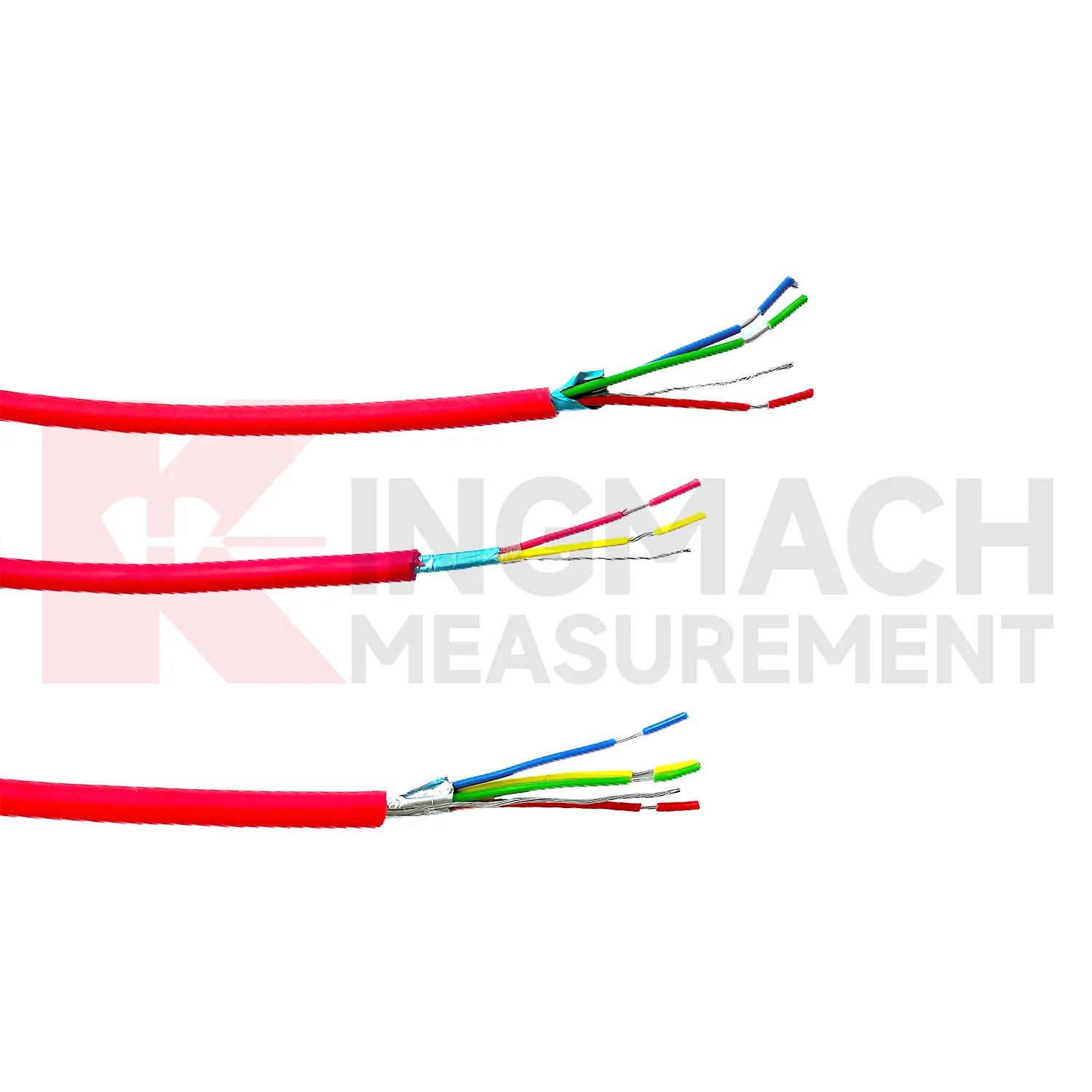
Application of Hydraulic cable
Dam and hydraulic engineering projects place special demands on Kingmach Hydraulic cable. Galleries, seepage areas, water-level points, and wet inspection routes require stronger sealing and water resistance than ordinary indoor wiring. JMZX-XSX is suited to these conditions because it uses multi-layer sealing and water-resistant insulation, with higher waterproof and tensile properties. It can support power or signal transmission where moisture, pressure, and cable pulling need attention. Careful termination and cabinet entry sealing are critical so water does not travel along the route into monitoring equipment.
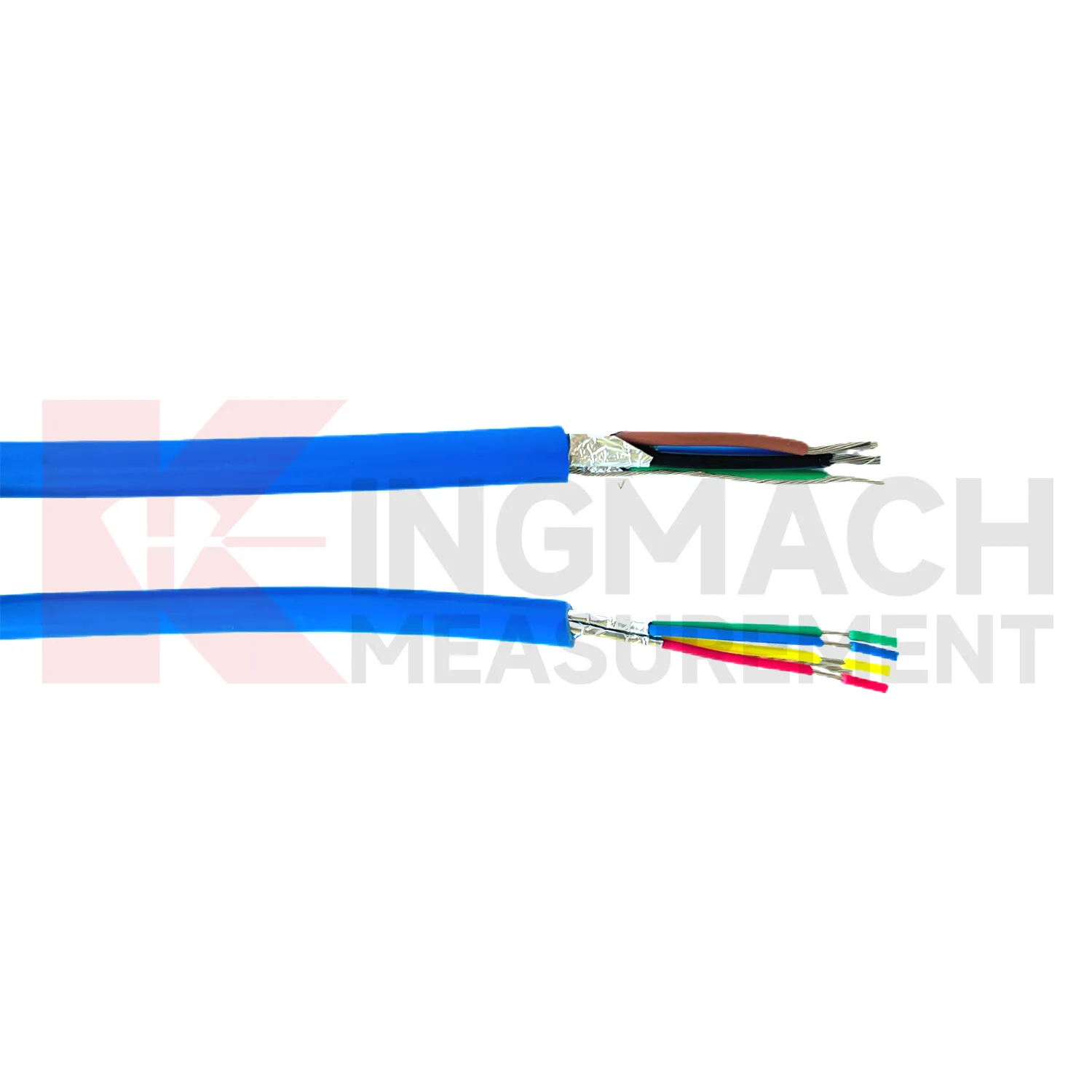
The future of Hydraulic cable
Standardized project records will shape the future use of Kingmach Hydraulic cable. Owners and engineering firms will expect handover files to include cable type, core count, route drawing, cabinet entry, connector status, and commissioning data. This level of detail makes later audits easier and supports cross-site comparison. When every monitoring point has a traceable cable history, the team can respond faster to alarms, replacement work, and system expansion without losing confidence in old data.
Care & Maintenance of Hydraulic cable
During installation, handle Kingmach Hydraulic cable in a way that protects the shielding, insulation, and cable ends. Avoid sharp bends, crushed sections, uncovered cuts, and pulling force beyond the route plan. Keep cable ends dry before termination, and seal entries into cabinets or junction boxes. If the cable passes through conduit, confirm that the route is clean and free of edges that can damage the sheath. A stable mechanical path reduces intermittent faults after the monitoring system begins collecting data.
Kingmach Hydraulic cable
Kingmach Hydraulic cable should be treated as engineered components of the monitoring system. They connect physical instruments to data review, alarms, reports, and maintenance decisions. JMZX-XPX, with layered shielding for test use, supports accurate signal transmission in noisy or precise sensor applications. JMZX-XSX, with added waterproof and tensile properties, supports hydraulic engineering and humid field sections. Both product lines are available in two-core, three-core, four-core, six-core, seven-core, nine-core, and ten-core forms, with common delivery lengths of 2 m or 6 m depending on core count. Used with proper routing and documentation, they help keep structural monitoring data steady over long service periods.
FAQ
Q: Which core counts are available?
A: The listed options include two-core, three-core, four-core, six-core, seven-core, nine-core, and ten-core versions.
Q: What delivery lengths are shown in the local product data?
A: Two-core to four-core versions are listed as 2 m per piece, while six-core to ten-core versions are listed as 6 m per piece.
Q: Why does shielding matter?
A: Shielding helps reduce electrical interference so weak sensor signals can reach the recorder with less noise.
Q: Why does water resistance matter?
A: Wet cable sections can cause unstable readings or equipment faults if insulation, sealing, and terminations are not handled correctly.
Q: Can the cables be used with different Kingmach instruments?
A: Yes. The category is described as compatible with various monitoring instruments and supports installation, maintenance, and upgrades.
Reviews
Ryan Lewis
Fast delivery and excellent product quality. The accelerometers and tiltmeters are highly reliable. Strongly recommend this company.
David Wilson
We purchased displacement transducers and settlement sensors, and the quality exceeded our expectations. Easy installation and reliable performance.
Latest Inquiries
To protect the privacy of our buyers, only public service email domains like Gmail, Yahoo, and MSN will be displayed. Additionally, only a limited portion of the inquiry content will be shown.
Ava***@gmail.comAustralia
Hi, I am looking for reliable tiltmeters and accelerometers for structural health monitoring. Please...
Sophia***@gmail.comUnited Kingdom
Good day, we need environmental monitoring sensors including temperature, humidity, and wind sensors...
Related product categories
- Hydraulic cable
- Instrumentation Cables
- Sensor Cables
- Twisted Pair Shielded Test Cable
- Doublelayer Shielded Test Cable
- Triplelayer Shielded Test Cable
- Singlelayer Shielded Test Cable
- Multicore Shielded Test Cable
- 2core / 4core / 6core / 8core Hydrological Cable
- Corrosionresistant Hydrological Cable
- Shielded Hydrological Cable
- Multicore Hydrological Cable